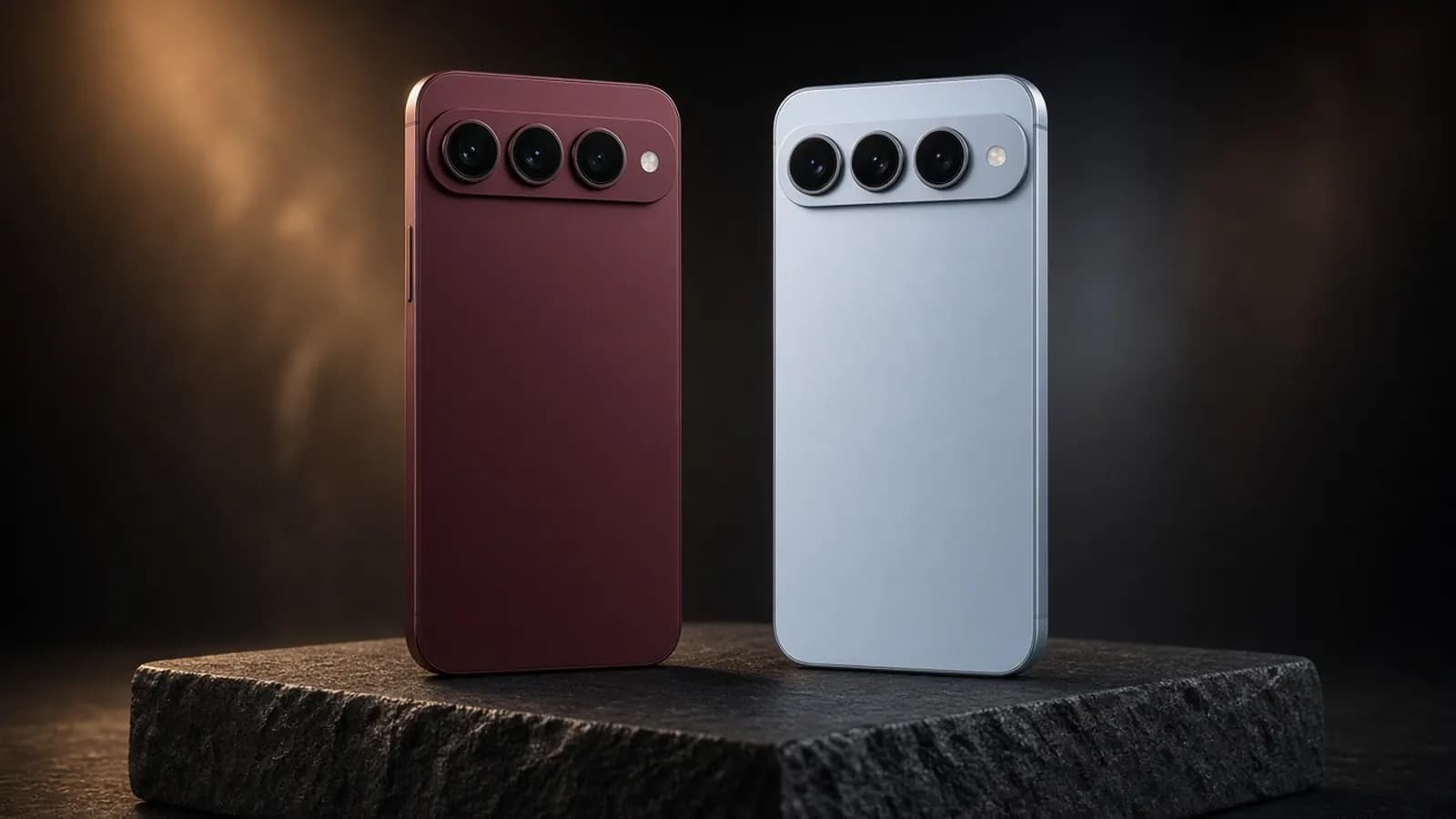
Apple has pulled the covers off the iPhone 18 Pro and iPhone 18 Pro Max at its "Surprise and Shine" event in Cupertino, and the headline is a camera change iPhone fans have wanted for years: a main lens with a real, mechanical variable aperture.
The new Pros also get Apple's first 2-nanometer phone chip, the A20 Pro, a smaller Dynamic Island, a redesigned cooling system and what Apple calls the largest battery-life jump in iPhone history on the Pro Max. They also cost $100 more than last year.
This was also the first Apple keynote with John Ternus as CEO. He took over from Tim Cook on September 1, and Cook is now executive chairman. The foldable iPhone Duo grabbed the attention, but for most buyers the Pro models are the phones that matter this fall.
iPhone 18 Pro and Pro Max at a glance
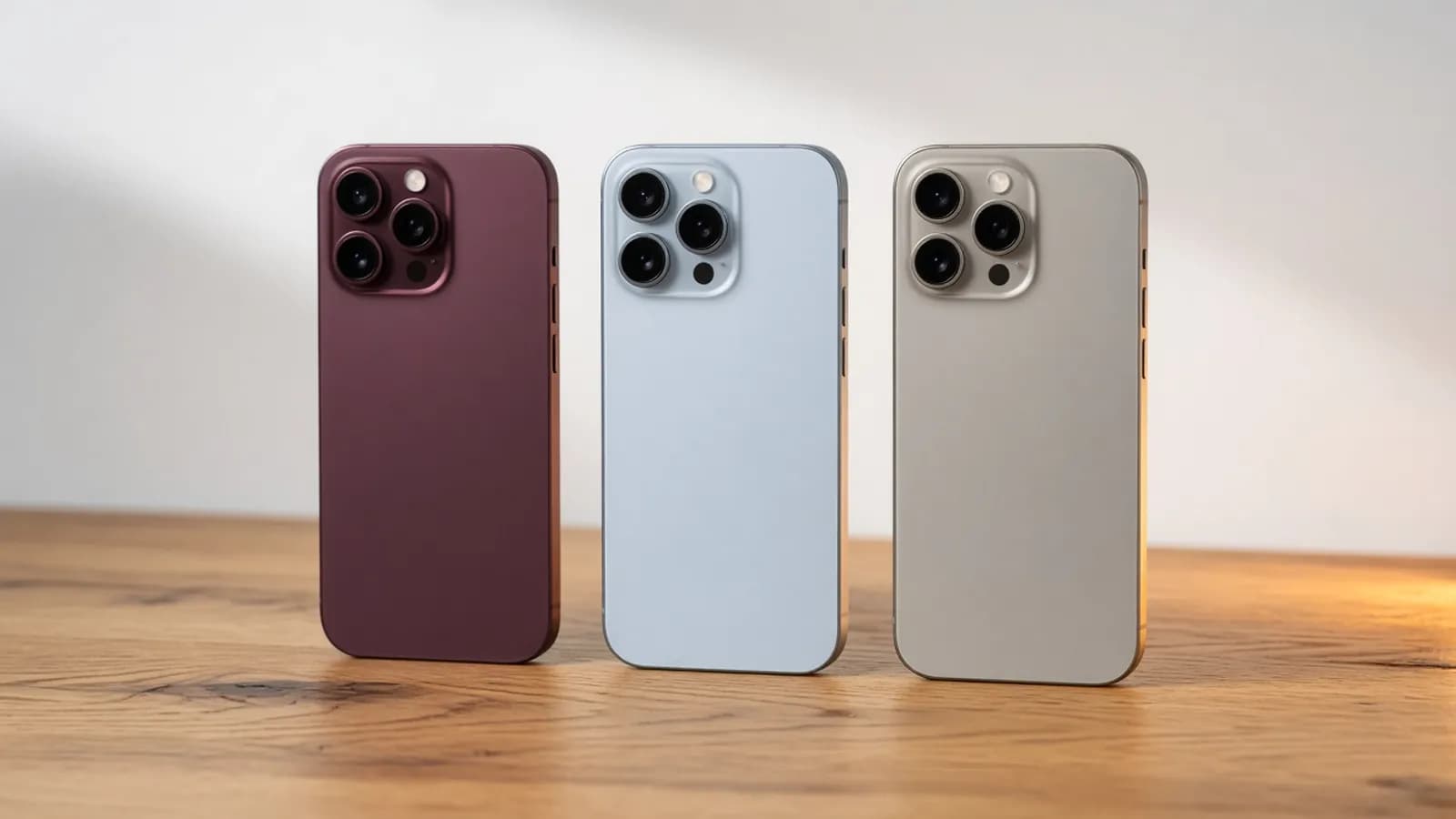
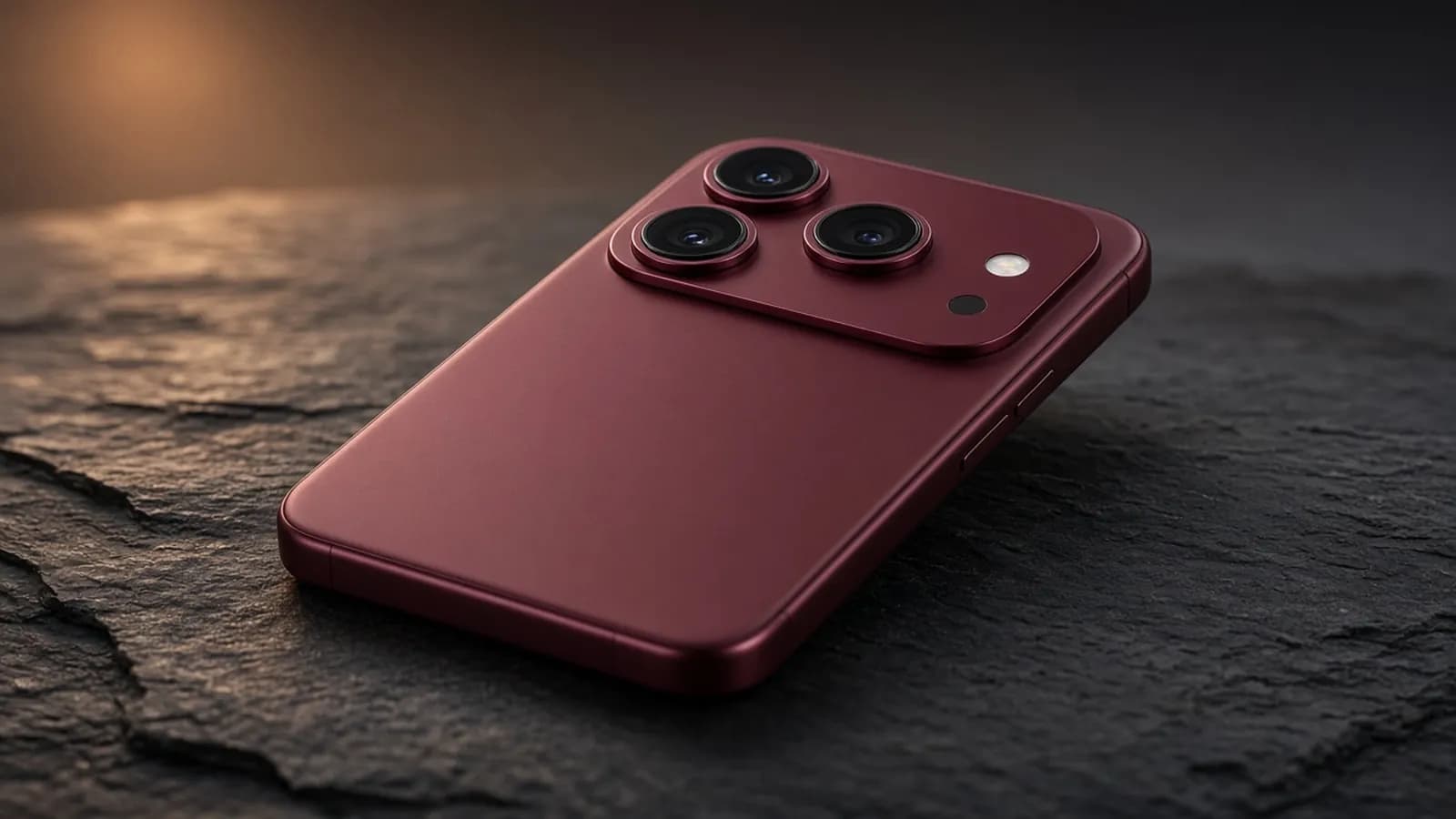
Both models keep the same screen sizes and the aluminum unibody design introduced with the iPhone 17 Pro. The changes are mostly inside, plus color-matched back glass, which The Verge noticed in its hands-on time at Apple Park.
| iPhone 18 Pro | iPhone 18 Pro Max | |
|---|---|---|
| Starting price (US) | $1,199 (256GB) | $1,299 (256GB) |
| Display | 6.3-inch Super Retina XDR, ProMotion up to 120Hz | 6.9-inch Super Retina XDR, ProMotion up to 120Hz |
| Chip | A20 Pro (2nm), 6-core CPU, 7-core GPU | A20 Pro (2nm), 6-core CPU, 7-core GPU |
| Main camera | 48MP Fusion, variable aperture f/1.48 to f/4.0 | 48MP Fusion, variable aperture f/1.48 to f/4.0 |
| Other rear cameras | 48MP Ultra Wide, 48MP 4x Telephoto | 48MP Ultra Wide, 48MP 4x Telephoto |
| Video playback (eSIM models) | Up to 36 hours | Up to 45 hours |
| Weight | 211g | 249g |
| Storage | 256GB, 512GB, 1TB, 2TB | 256GB, 512GB, 1TB, 2TB |
| Colors | Black, silver, glacier, burgundy | Black, silver, glacier, burgundy |
The camera: aperture control comes to iPhone
Every iPhone until now has shipped with a fixed-aperture main camera. The iPhone 18 Pro's 48MP Fusion Main camera uses six laser-cut blades, driven by a new rotor mechanism, to change the size of the lens opening.
In practice, that means the camera can let in more light when it is dark and close the lens down when you need more of the scene in focus. Apple lists four settings in the Camera app: f/1.48, f/1.8, f/2.8 and f/4.0.
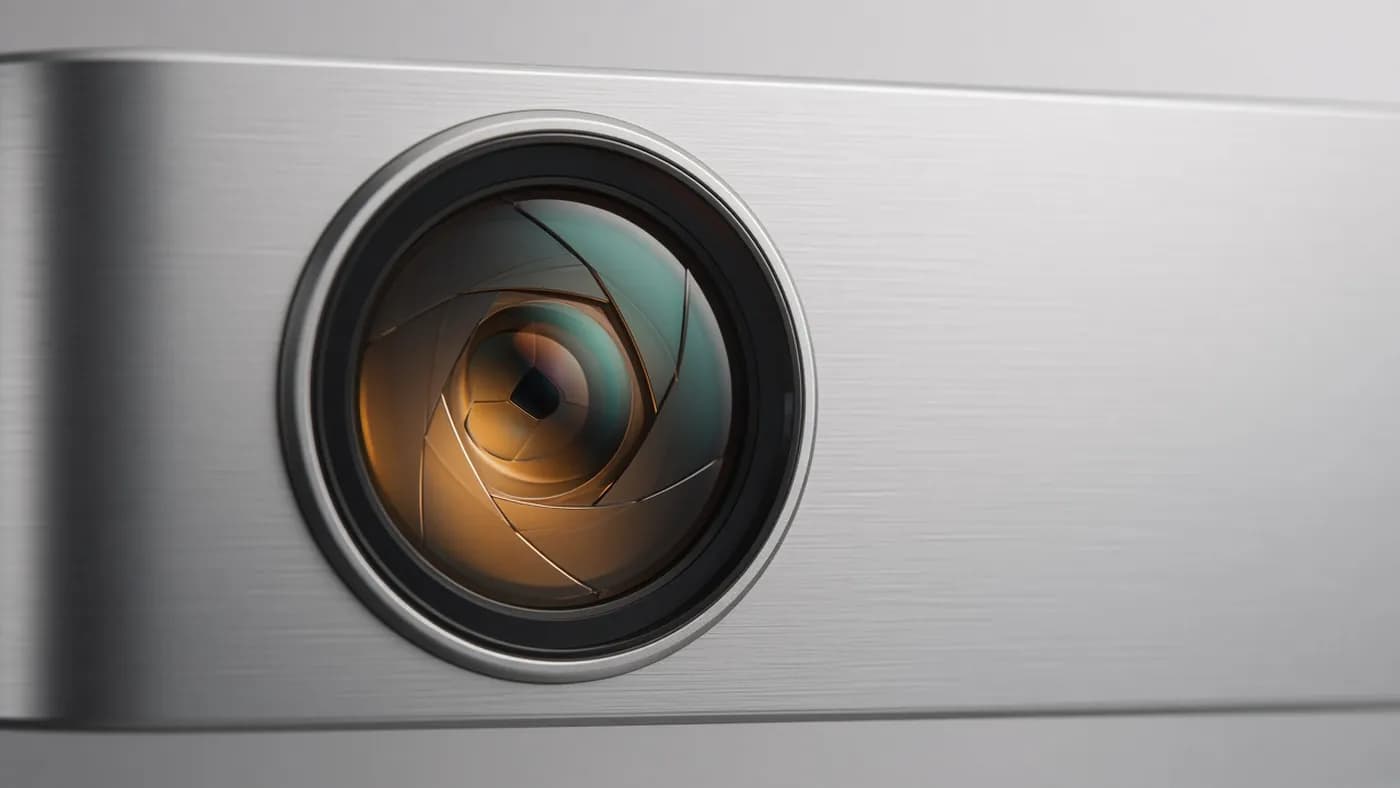
Apple's examples show how each setting is meant to be used:
- f/1.48 for low light and Night mode, where the widest opening gathers the most light.
- f/1.8 as the default for portraits, which Apple says balances light and background blur.
- f/2.8 for general scenes where you want a bit more depth of field.
- f/4.0 for group shots, so the people in the back row stay sharp.
By default the camera picks the aperture for you. Photographers can take over with a new Pro controls panel, which adds manual shutter speed, white balance and a live histogram. Developers get an API that Apple says exposes more of the aperture range than the four presets.
The sensor behind the lens is also new, and Apple says a new computational imaging pipeline produces sharper detail. Photographic Styles gain texture and grain controls. The Ultra Wide and the 4x tetraprism Telephoto stay at 48MP, and the Telephoto still offers an optical-quality 8x crop.
Video picks up smaller upgrades. Cinematic effects can now be applied after capture to footage shot at up to 60fps, and Time-lapse can record in 4K Dolby Vision HDR. Audio Mix also gets new algorithms that Apple says can now isolate music.
Key takeaway: variable aperture is the biggest camera hardware change on iPhone in years. It should help most in low light and in group photos, and Pro controls finally give manual shooters direct access to shutter speed and white balance in Apple's own Camera app.
Apple Reference Image and SynthID
Apple is also pitching the 18 Pro as a tool for proving a photo is real. In a new Reference mode, the camera's sensor signs the image data, and Private Cloud Compute turns it into what Apple calls an "unalterable reference image." It sits next to the edited photo in the Photos app, like a digital negative.
Apple is also adding support for Google's SynthID standard to flag AI-generated or AI-edited images, but that arrives in a software update later this year. Apple says Reference Image capture will not be available at launch in China or the EU.
A20 Pro and a bigger vapor chamber
The A20 Pro is built on a 2nm process. Apple says it has 50 percent more memory bandwidth than the A19 Pro, a 6-core CPU with built-in Neural Accelerators, and a 7-core GPU that is up to 40 percent faster than the previous generation.
The Neural Engine is now described as a "Dual 16-core" design with 32 cores in total. Apple says that doubles AI processing power compared with the A19 Pro, which matters for the on-device models behind Siri AI and Apple Intelligence.
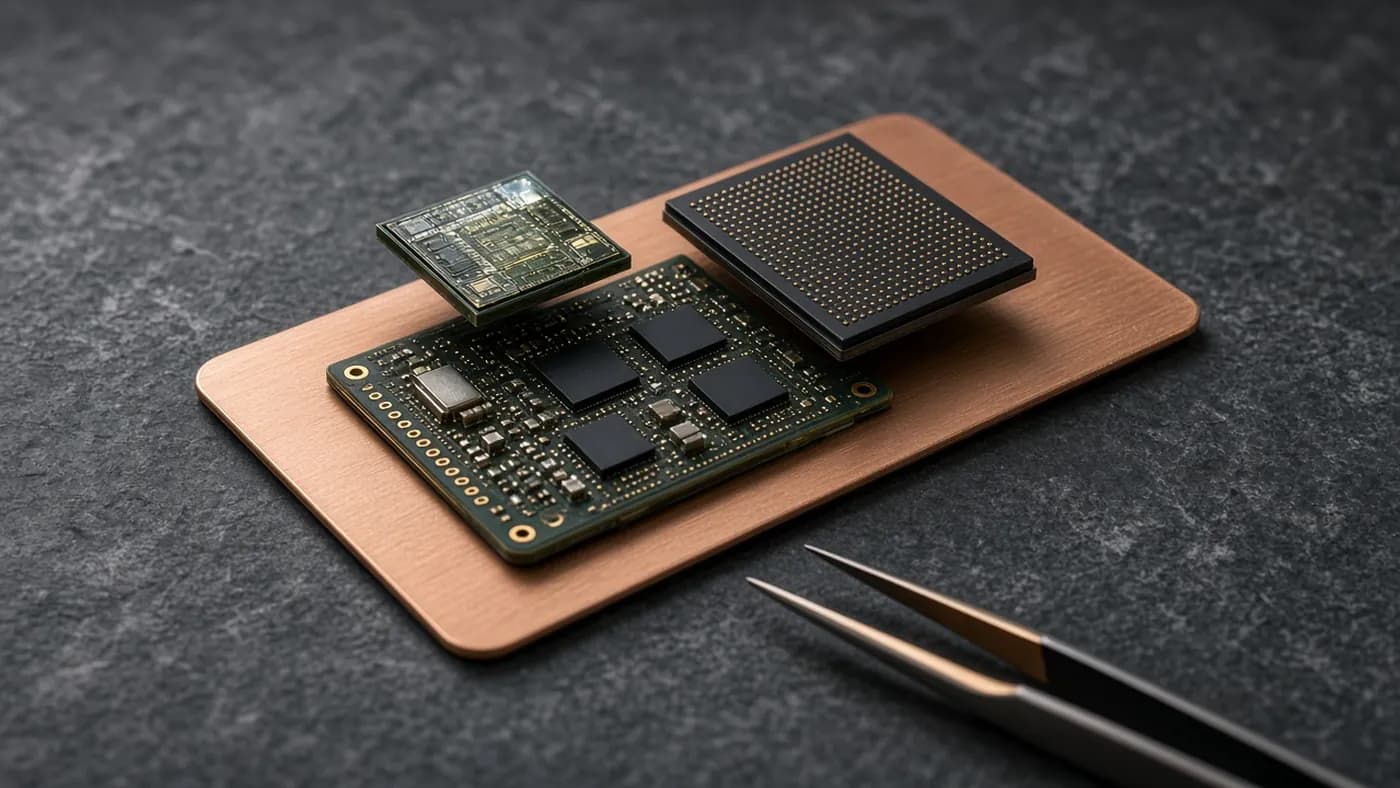
The more interesting engineering change may be the packaging. Borrowing from its M-series Mac chips, Apple now places the memory beside the processor die rather than stacked on top. That lets the A20 Pro sit directly against a new vapor chamber with three times the surface area of the iPhone 17 Pro's.
Apple claims up to 40 percent better sustained performance as a result. That is the number to watch for gamers and video shooters, since phones usually slow down once they heat up. Independent testing will show how close real use gets to Apple's figure.
Connectivity also moves forward. Both phones use Apple's N1 chip for Wi-Fi 7, Bluetooth 6 and Thread. The iPhone 18 Pro line is also the first to use Apple's C2 modem, which the company says delivers faster uploads than the C1X, uses 15 percent less energy, and adds mmWave 5G support in the US.
Battery: the Pro Max makes the biggest jump
Battery life is where Apple is making its boldest claim. Apple says the eSIM-only iPhone 18 Pro Max gets up to 45 hours of video playback, and up to 30 hours of typical use under a new testing model based on real-world usage data.
The smaller iPhone 18 Pro is rated for up to 36 hours of video playback on eSIM models. Apple says eSIM-only versions, sold in the US, Canada, Japan, Mexico and several Gulf markets, get two extra hours of video playback because the battery uses the space where the SIM tray used to be.
Charging is faster too. Apple says the iPhone 18 Pro can reach 50 percent in about 15 minutes with a compatible high-wattage USB-C adapter and cable, sold separately. It can also reach 50 percent in 30 minutes wirelessly with a MagSafe charger. On the Pro Max, five minutes of wired charging is good for about seven hours of video playback, according to Apple.
There is a trade-off. The Pro Max now weighs 249 grams, which makes it one of the heaviest iPhones Apple has made.
A smaller Dynamic Island that shows more
The Dynamic Island shrinks this year. Apple says it redesigned the display so the cutout takes up less room while still hiding the Face ID sensors.
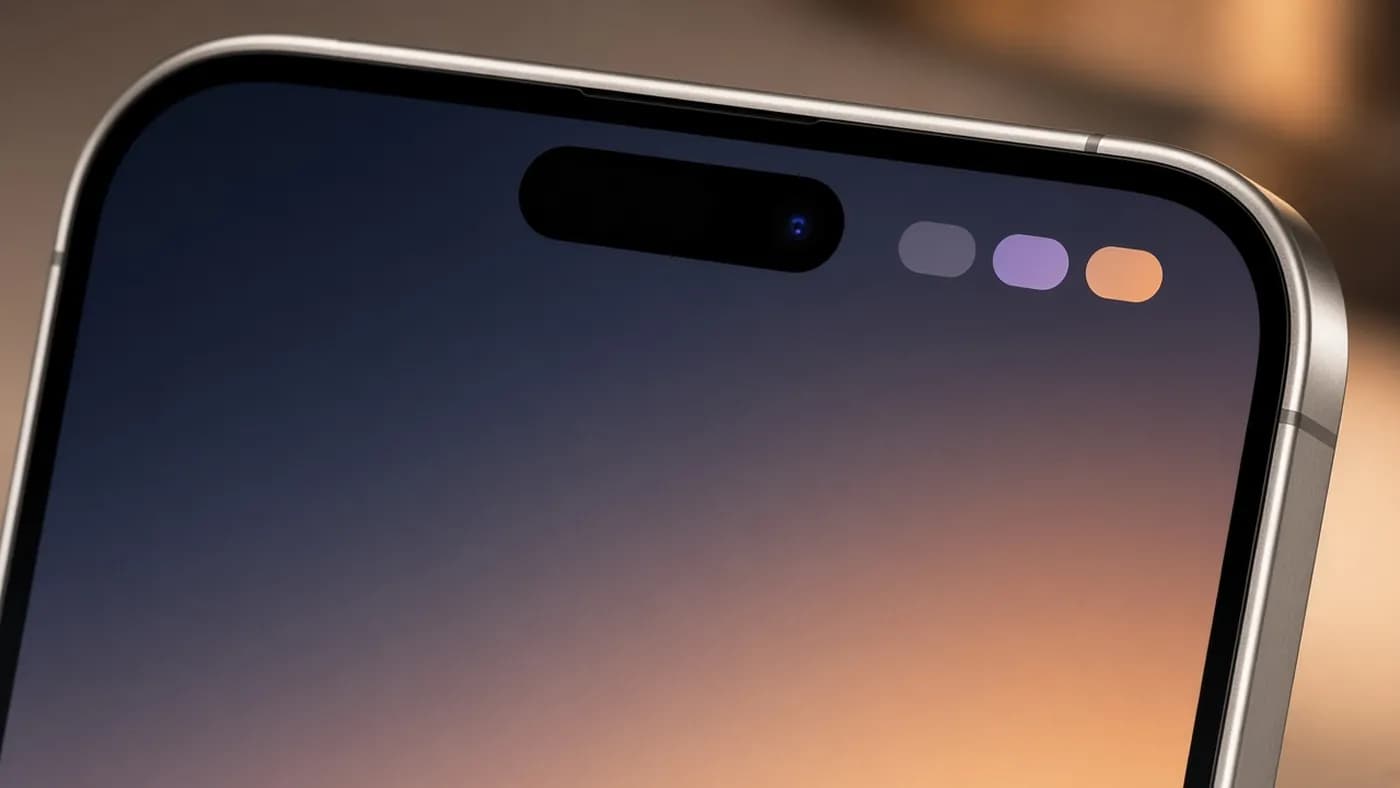
Despite being smaller, it now shows up to three Live Activities at once, up from two. Anyone who juggles a timer, a delivery tracker and music at the same time will notice the difference. In its first look, Engadget said the new island seems neater than the one on the iPhone 17 Pro.
Prices, storage and release dates
Apple raised the starting price of both Pro models by $100. The iPhone 18 Pro starts at $1,199 and the Pro Max at $1,299, both with 256GB. Reuters reported that the increases were driven by a surge in memory chip costs.
Storage now goes up to 2TB on both models, alongside 512GB and 1TB options. Apple did not announce prices for the higher tiers in its press release.
Key dates:
- Preorders: Saturday, September 12, from 5 a.m. PT, in more than 65 countries and regions.
- In stores: Friday, September 18.
- Second wave: 20 more countries and regions on Friday, September 25.
The four colors are black, silver, glacier (a pale blue) and a new burgundy. Apple is also selling matching cases, a $29 Wrist Strap and an updated Clear Case that works with its Crossbody Strap.
Apple did not announce a base iPhone 18 today. The Verge reported that the standard model is skipping the fall launch, and Apple has raised the prices of the iPhone 17, iPhone 17e, iPhone Air and iPhone 16 by $100 each. The iPhone 17 Pro and Pro Max have been discontinued, according to AppleInsider.
Everything else Apple announced
The Pros shared the stage with a busy lineup. Here is the short version.
iPhone Duo
Apple's first foldable was the event's big surprise. The iPhone Duo has a 7.6-inch inner display, runs on the same A20 Pro and starts at $1,999, with preorders on October 16 and a launch on October 23. We cover it in depth in a separate article.
Apple Watch Series 12 and Ultra 4
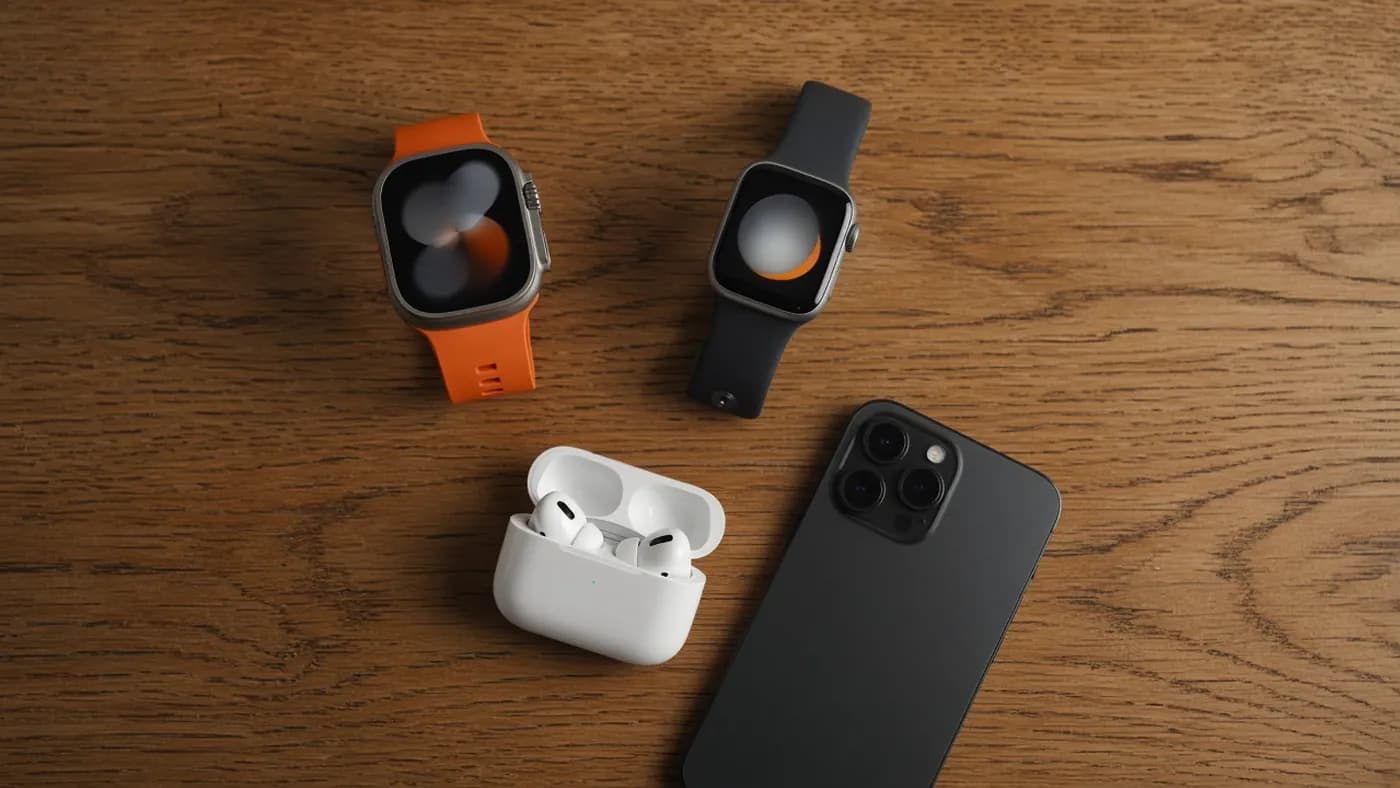
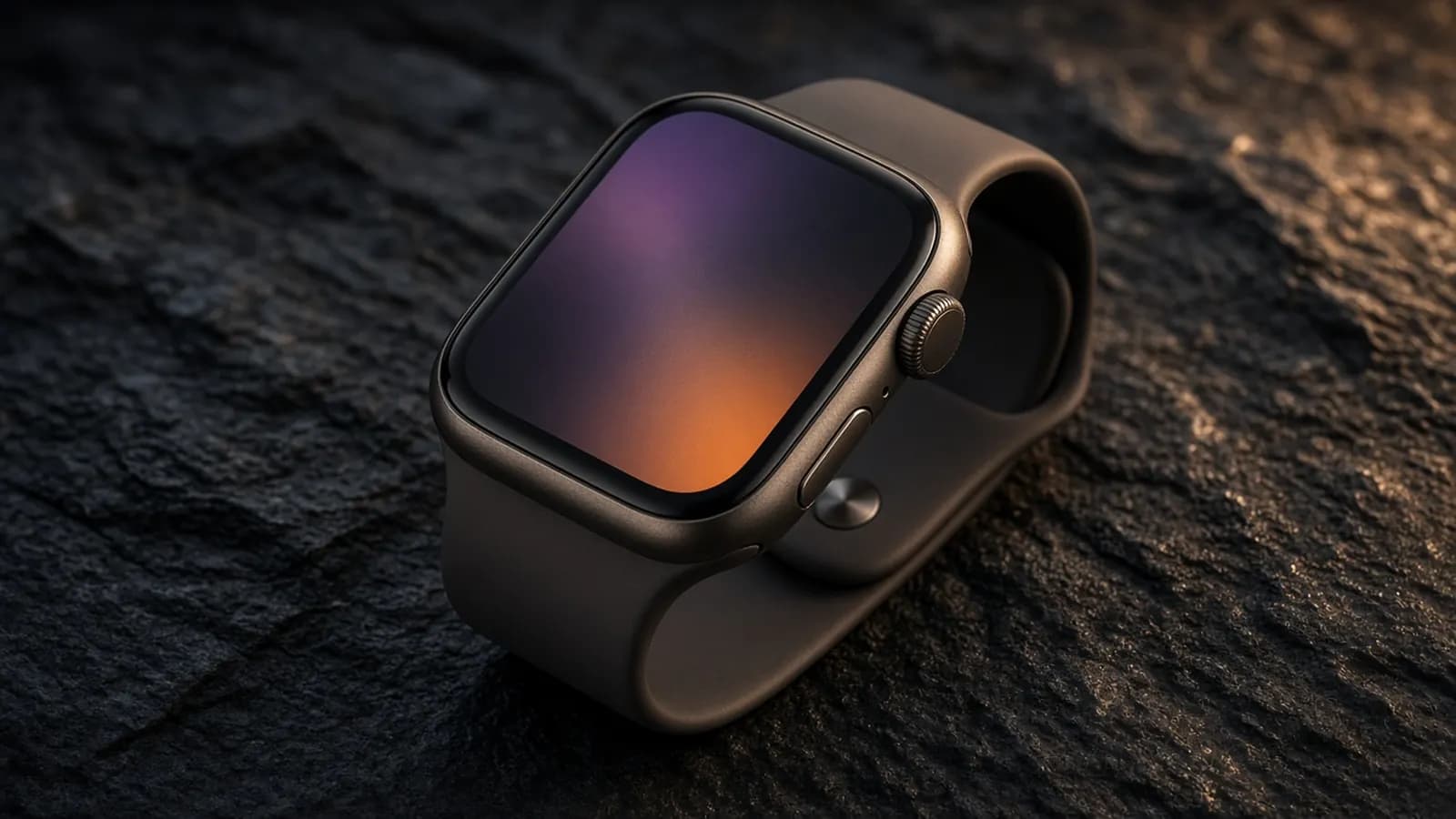
Both watches get a new Health Sensing System and the S11 chip. Apple says Series 12 has the most accurate heart-rate sensing in a wearable. New features include a readiness score and higher-frequency heart-rate and HRV readings, plus Audio Intelligence tools such as Live Rewind and Siri Recap that Apple says arrive later this year. Prices are unchanged from last year: Series 12 starts at $399 and Ultra 4 at $799. Both are on preorder now and ship September 18.
AirPods 5
The entry-level AirPods now have open-ear active noise cancellation. Apple says they block up to 50 percent more noise than AirPods 4 with ANC. They cost $129, or $149 with a wireless charging case and on-stem volume control, and arrive in stores September 18.
iOS 27
Apple confirmed iOS 27 arrives on Monday, September 14. Siri AI, the rebuilt assistant, will roll out as a beta in English first. Apple says it will not initially be available on iPhone in the EU.
Why it matters
The iPhone 18 Pro is not a redesign. The Verge's first hands-on noted that the new phones look quite similar to the iPhone 17 Pro lineup. What Apple has done is fix long-standing pain points: fixed-aperture photos, heat-related slowdowns and a Dynamic Island that ran out of room.
The price is the harder sell. A $100 increase at a time when Apple is also raising prices on older models tells you memory costs are hitting the whole industry. Buyers upgrading from an iPhone 15 Pro or older will get the most from the camera, battery and Siri AI gains. iPhone 17 Pro owners can probably wait.
The Ternus era is also taking shape. His first keynote leaned on privacy as Apple's AI advantage, with Reuters noting he pitched the iPhone as an "intelligent personal hub." How well Siri AI actually works in the coming weeks will decide whether that pitch lands.
FAQ
How much do the iPhone 18 Pro and iPhone 18 Pro Max cost?
In the US, the iPhone 18 Pro starts at $1,199 and the iPhone 18 Pro Max starts at $1,299. Both prices are for 256GB and are $100 higher than last year's starting prices.
When can I preorder and buy the iPhone 18 Pro?
Preorders open Saturday, September 12, at 5 a.m. PT. The phones arrive in stores and start shipping on Friday, September 18. Another 20 countries and regions follow on September 25.
What does variable aperture actually do?
It lets the main camera physically change the size of its lens opening. A wider aperture (f/1.48) lets in more light for night shots. A narrower one (f/4.0) keeps more of the scene in focus, which helps with group photos and close-ups.
Is there a regular iPhone 18?
Not yet. Apple did not announce a base iPhone 18 at this event. The Verge reports the standard model is expected next year, and the iPhone 17 stays on sale for now at a higher $899 starting price.
What colors does the iPhone 18 Pro come in?
Four: black, silver, glacier and burgundy. Burgundy is new this year, and all four have color-matched back glass.
The bottom line
The iPhone 18 Pro and Pro Max are refinement phones with one genuinely new trick. Variable aperture, better sustained performance and a big battery claim on the Pro Max make this a strong upgrade for anyone on a phone that is two or three years old.
The $100 price bump and 2TB top tier push the Pro line further upmarket, right as Apple asks its most loyal buyers to consider a $1,999 foldable. Reviews over the next week will show whether the camera and battery claims hold up in real use.
Join the conversation