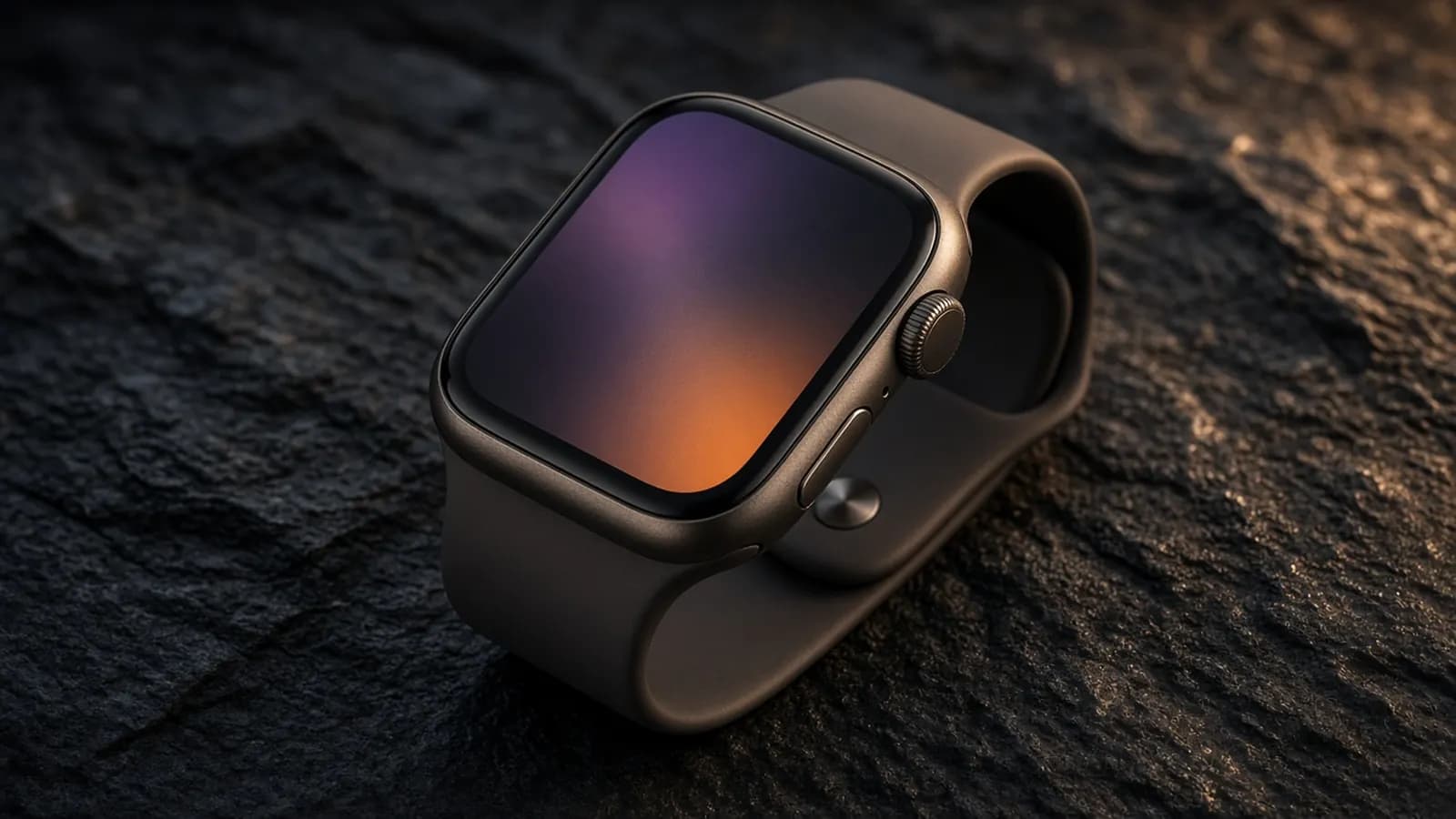
For several years, the Apple Watch has improved in small steps: a brighter screen here, a new gesture there. The Series 12 is different. Its changes are mostly invisible, but they reach into the part of the watch that matters most to many buyers, which is health tracking.
A redesigned Health Sensing System and the new S11 chip let the watch measure heart rate far more often, and that data powers Readiness, Apple's long-awaited answer to the recovery scores offered by Oura, Whoop, Fitbit, and Samsung.
Apple kept the starting price at $399. Reviews from PCMag, Wired, The Verge, and 9to5Mac have been broadly enthusiastic, with PCMag naming it an Editors' Choice. After weighing those findings and Apple's own claims, we agree that this is the Apple Watch to buy, with a couple of asterisks.
Design and build
If you are hoping for a new look, the Series 12 will disappoint. PCMag measured the 42mm model at 37mm wide and 9.7mm thick, weighing 1.1 ounces, and the 46mm version at 40mm wide and 1.4 ounces. Both are slightly wider and heavier than the Series 11, though PCMag's reviewer could not feel the difference.
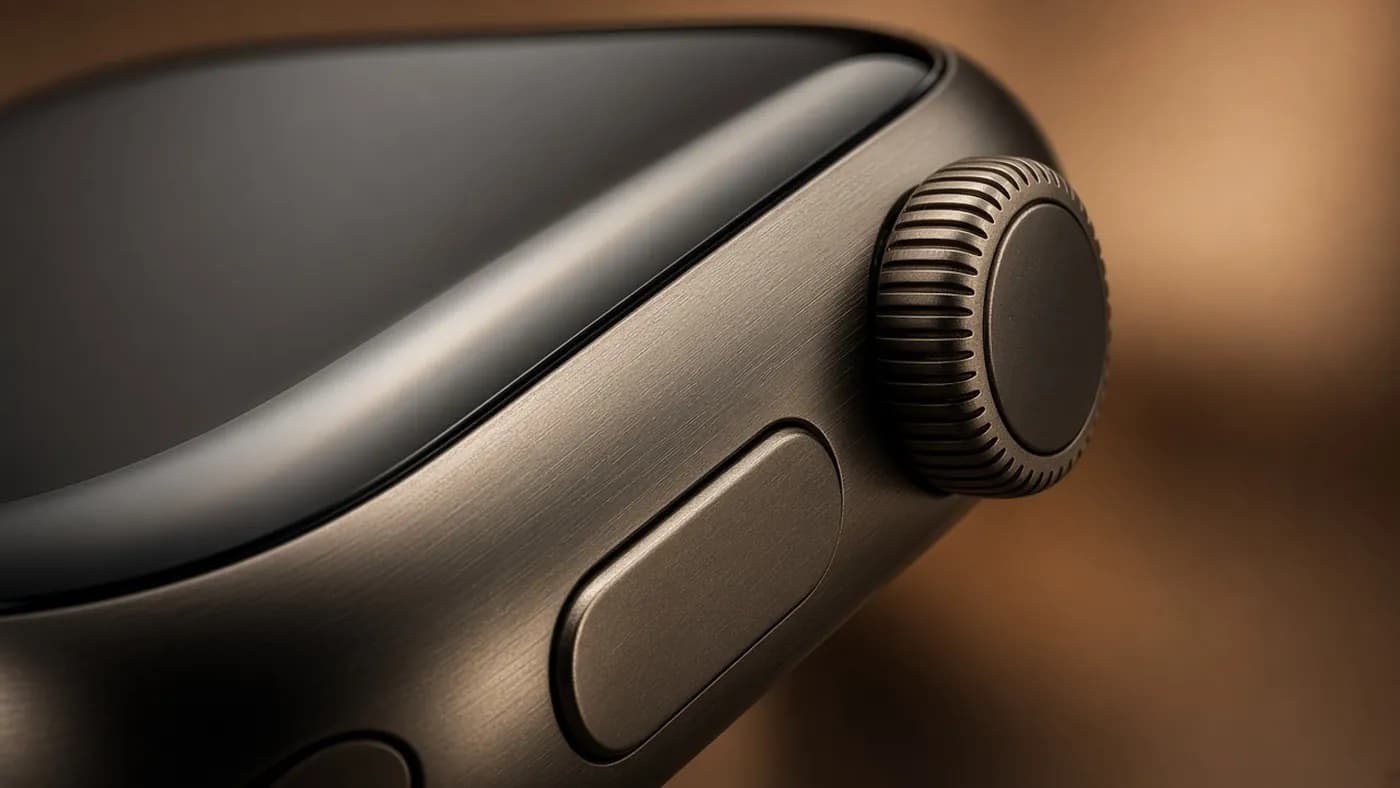
The more meaningful change is the cover glass. Aluminum models now use Ceramic Shield 2, which Apple says is 60 percent tougher than the Ion-X glass on previous aluminum models. Durability ratings otherwise match last year: WR50 water resistance and IP6X dust resistance.
Finishes are where Apple had some fun. Aluminum comes in dark bronze, black, light gold, and space gray, and Wired singled out the dark bronze as a standout. Titanium comes in natural and radiant gold. Ceramic returns for the first time since 2020, in pearl white and night blue.
The display is carried over from the Series 11: an LTPO3 wide-angle OLED panel that reaches 2,000 nits and dims to 1 nit. Resolution is 374 by 446 pixels on the 42mm model and 416 by 496 on the 46mm.
The Health Sensing System
This is the headline upgrade. Apple enlarged the electrode surface used for ECG readings for better skin contact, rearranged the photodiodes into a ring for more efficient light capture, and fitted larger, more power-efficient green LEDs.
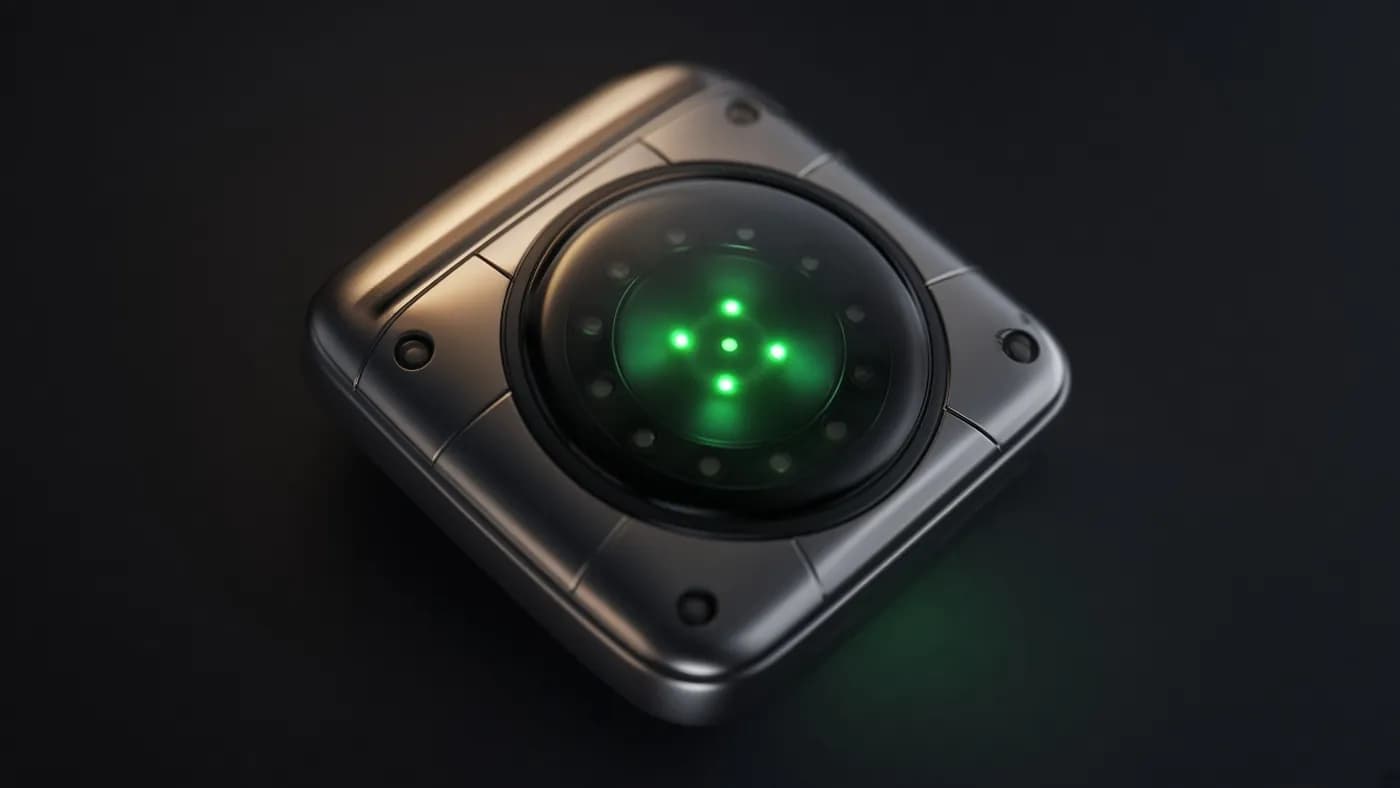
The Verge noted that the new array does not capture new kinds of data. Instead, it measures existing metrics more often, more accurately, and with less power, and that is what unlocks most of the new software.
Heart rate every five seconds
The Series 12 measures heart rate every five seconds throughout the day, even while you move. MacRumors describes that as 60 times more often than before. According to Wired, the Series 11 took readings roughly every five minutes when you were relatively still.
Heart rate variability sampling improves even more. Wired reports the Series 12 can measure HRV as often as every five minutes, compared with every two hours on its predecessor. It also tracks two variants: overall HRV and a new recovery HRV metric that feeds the Readiness score.
Accuracy claims and early results
Apple claims the Series 12 has "the most accurate heart rate sensing in a wearable," citing a study of more than 1,000 participants. The company also says a redesigned pedometer model gives it the most accurate step tracking of any smartwatch. We cannot verify either claim independently.
PCMag's testing adds useful nuance. During the first five minutes of a HIIT session, the watch read 10 to 20 beats per minute low before correcting. On a later run, it stayed within 2 to 3 bpm of a Wahoo chest strap, even during sprints.
The new sensors do not measure anything fundamentally new. They measure familiar metrics far more often, and that frequency is what makes Readiness possible.
Readiness: Apple's recovery score, finally
Readiness combines your recent activity, training load, sleep score, and overnight vitals, including resting heart rate, respiratory rate, wrist temperature, and recovery HRV. The result is a single score from 0 to 10 with a recommendation.
9to5Mac lists Apple's ranges as 0 to 1 for Recover, 2 to 4 for Pace Yourself, 5 to 7 for Ready, and 8 to 10 for Go For It. We like the simpler 10-point scale; it is easier to act on than a 0-to-100 number.
The key differentiator is that Apple's score changes during the day. PCMag noted it can drop after an intense workout or rise after a nap, whereas similar scores from Google and Samsung stay fixed until the next morning. Readiness requires the new sensor array, so it only works on the Series 12 and Ultra 4.
To get useful scores quickly, follow these steps:
- Wear the watch to bed for seven nights. Readiness needs a week of sleep data to set a baseline.
- Use short charges before bed. Apple says five minutes on the charger provides up to 10 hours of sleep tracking.
- Check the Readiness app each morning, then again after workouts or naps to see how the score shifts.
- Look at the Vitals app's new daytime view, which shows recovery HRV and trends during the day.
watchOS 27 and Siri AI
The Series 12 ships with watchOS 27, which puts Siri AI at the center of the interface. Pressing the Digital Crown now shows a small ring of suggested and recent apps with Siri in the middle, rather than the full app grid.
PCMag found Siri more conversational and able to draw on personal context, such as activity ring progress or flight details in email. Its reviewer did hit a bug where the watch's Siri app did not show conversation history that appeared on the iPhone.
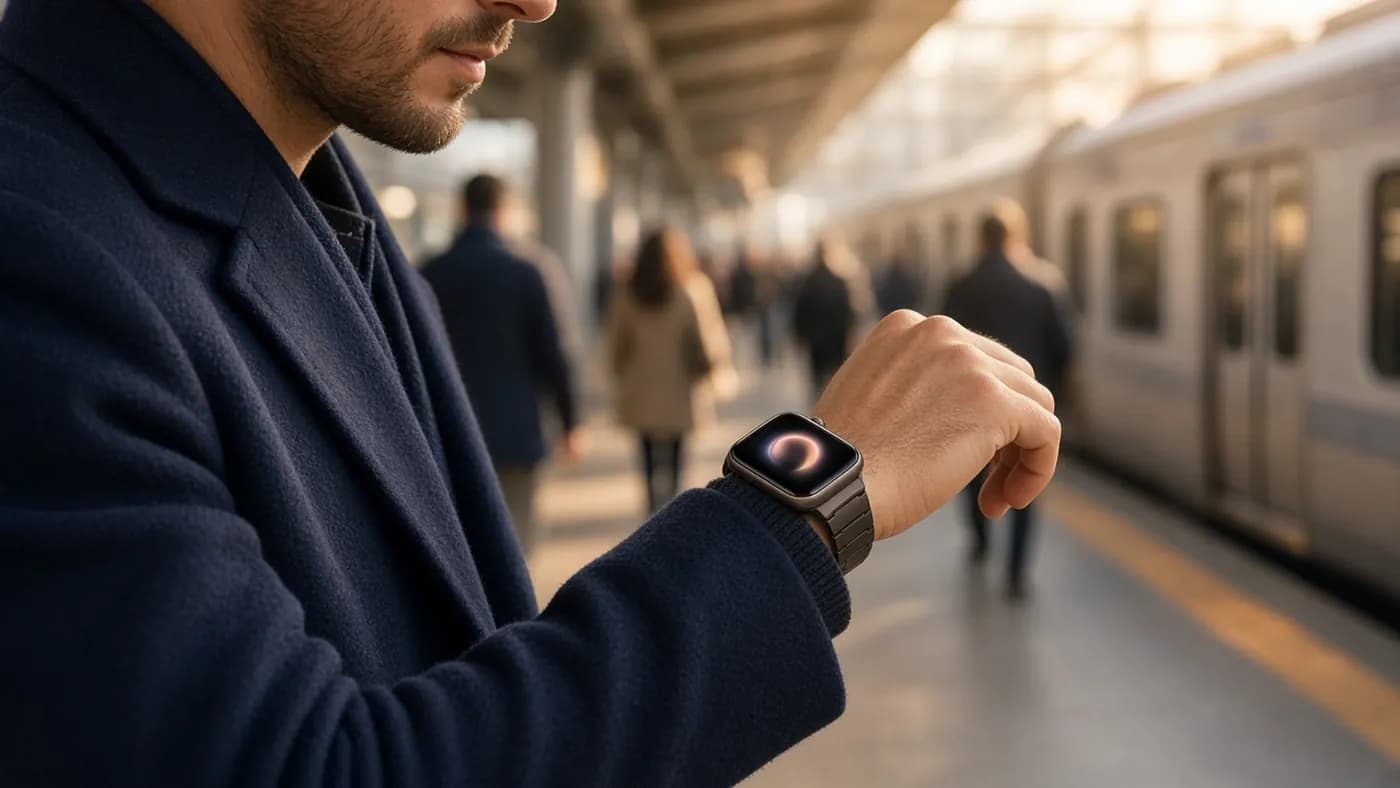
Other changes include new Smart Stack widgets, such as one from Shazam that identifies background music, and a reworked gesture system in which double tap scrolls the Smart Stack. Workout Buddy now works without a phone on cellular models, and cycle tracking adds perimenopause and menopause support.
Coming later: Audio Intelligence and Health Age
Some of the most interesting features are not available yet. Live Rewind will let you double-press the Digital Crown to see the previous 15 seconds of a conversation as text. Siri Recap will create high-level summaries of conversations. Apple says both arrive in beta later this year.
Apple says audio is processed in a hardware-isolated Secure Exclave on the S11 chip and is never stored as a recording. Both features are opt-in, and Live Rewind plays an audible chime when used.
A redesigned iPhone Health app with a Longevity tab and a Health Age feature is also due later this year, starting in U.S. English. We would not buy the watch for these features alone until they ship.
Buy the Series 12 for what it does today: better sensors, Readiness, and stronger battery life. Treat Live Rewind and Siri Recap as future bonuses.
Battery and charging
Apple still rates the Series 12 for up to 24 hours, or 38 hours in Low Power Mode. It claims up to 10 hours during an outdoor workout, 25 percent more than the Series 11.
Independent testing tells a better story. PCMag measured 54.5 hours with the always-on display enabled and one GPS workout per day, compared with 43 hours for the Series 11 under the same conditions. Macworld's first full test reached 51 hours.
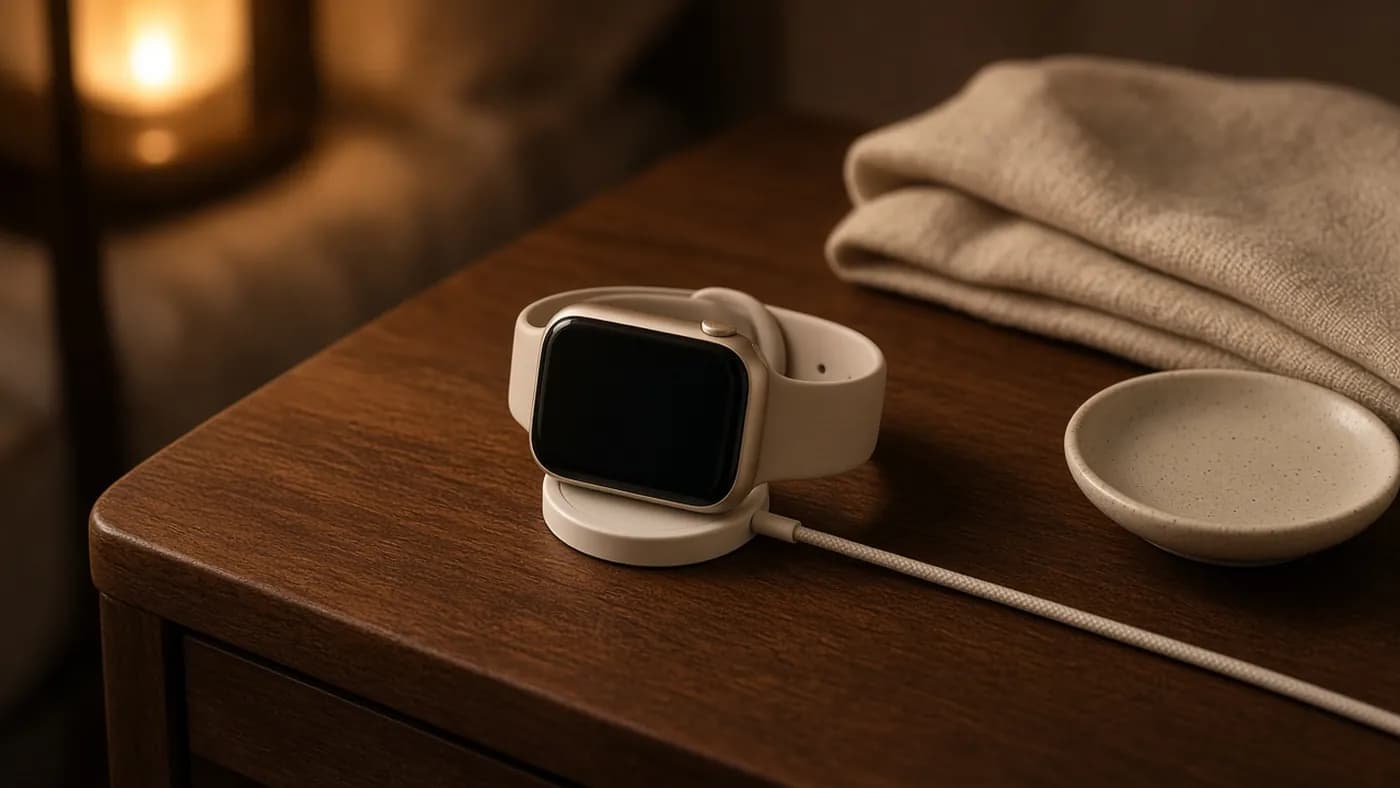
Charging results were mixed. Apple says 15 minutes adds up to 12 hours of use, 50 percent more than before. PCMag recharged to 100 percent in 55 minutes versus 77 minutes for the Series 11, but Macworld's first test needed 57 minutes to reach 80 percent, slower than its Series 11 result.
How it compares
The Series 12's rivals raised their prices this year while Apple held steady. PCMag's battery tests cover all four watches below under similar conditions.
| Smartwatch | Starting price | PCMag battery test | Works with | Daily readiness-style score |
|---|---|---|---|---|
| Apple Watch Series 12 | $399 | 54.5 hours | iPhone | Yes, updates during the day |
| Apple Watch Series 11 | $399 at launch | 43 hours | iPhone | No |
| Google Pixel Watch 5 | $399 | 56.5 hours | Android | Yes, fixed each morning |
| Samsung Galaxy Watch 9 | $379.99 | 26 hours | Android | Yes, fixed each morning |
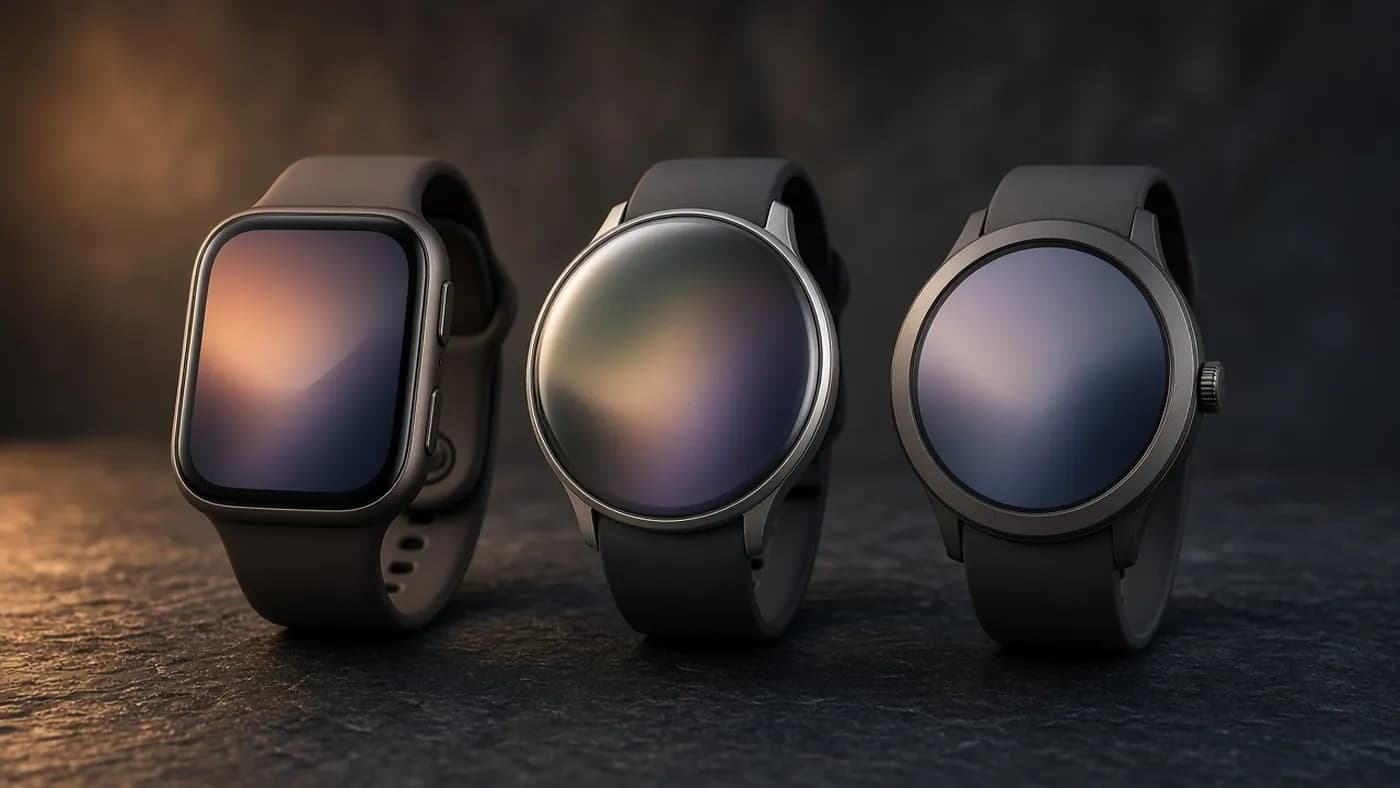
For iPhone owners, the only real alternatives are Apple's own. The Series 11 makes sense only at a steep discount, according to MacRumors. The Apple Watch Ultra 4, at $799, adds a 49mm titanium case, double the water resistance, and dive certification, but shares the S11 chip and new sensors.
Who should buy it
The Series 12 is an easy recommendation for anyone with a Series 9 or older, and for new Apple Watch buyers. Readiness, the new sensors, and the battery improvement add up to a meaningful upgrade.
Series 11 owners have a tougher choice. If you care about recovery data or HRV, the jump is worth it. If you mostly use the watch for notifications and activity rings, you can wait.
Pricing climbs quickly beyond the base model. The 46mm aluminum model is $449, cellular adds $100, titanium starts at $699, and ceramic starts at $899.
FAQ
Does the Apple Watch Series 12 work with Android phones?
No. The Series 12 requires an iPhone 11 or later running iOS 27, according to PCMag.
When will Live Rewind and Siri Recap be available?
Apple says both Audio Intelligence features arrive in beta later this year. They were not available at launch on September 18, and both require you to opt in.
How long does the Apple Watch Series 12 battery really last?
Apple rates it for 24 hours. In independent testing, PCMag measured 54.5 hours and Macworld recorded 51 hours in its first test, so most people should get about two days per charge.
Can older Apple Watches get the Readiness score?
No. The Verge notes that Readiness depends on the new sensor array, so it requires a Series 12 or Ultra 4. Older watches can still update to watchOS 27 for other features.
Final Verdict
The Apple Watch Series 12 does not look new, but it behaves like a new product where it counts. Heart rate every five seconds, far more frequent HRV readings, and a Readiness score that adapts during the day make it Apple's most capable health tracker, and independent battery tests suggest two days between charges.
At an unchanged $399, it is the smartwatch we would recommend to most iPhone owners. Just buy it for the features available today, and treat the promised Audio Intelligence tools as a bonus when they arrive.
Join the conversation