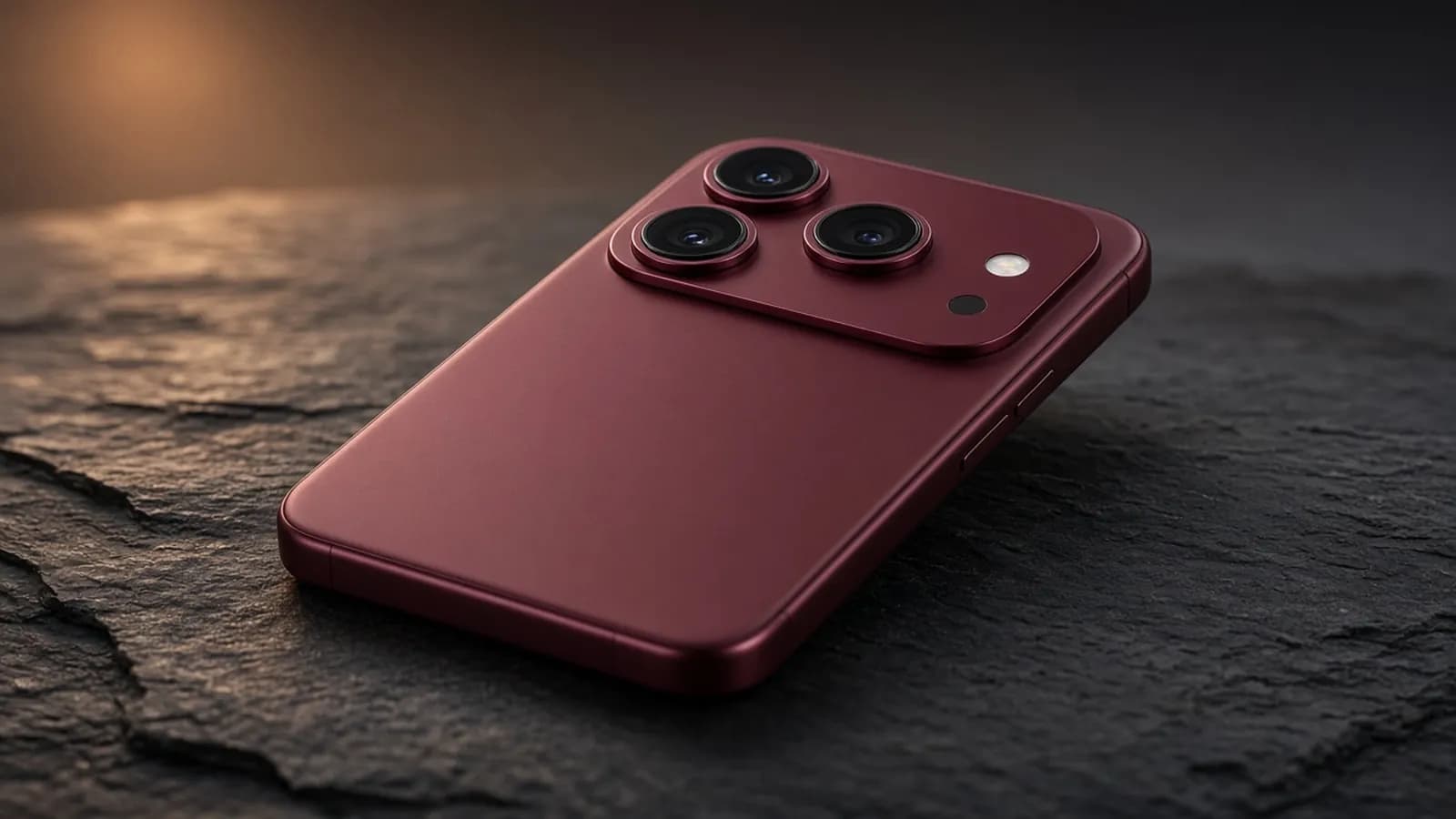
The iPhone 18 Pro arrives in an odd spot. Apple's foldable iPhone Duo stole the spotlight at the September 9 event, but it will not open for pre-orders until October 16. That leaves the 18 Pro and 18 Pro Max as the phones most Apple buyers will actually be choosing between this fall.
On the outside, very little has changed. The Verge noted the 18 Pro can even use the same cases as the iPhone 17 Pro. The real news is inside the main camera, where Apple has added a mechanical variable aperture, plus a long-overdue set of manual exposure controls in the native Camera app.
Add a new A20 Pro chip, an improved vapor chamber, faster 60W wired charging, and a $100 price increase, and you get a phone that is excellent but clearly an "S-year" update. Here is who should care.
Design and build
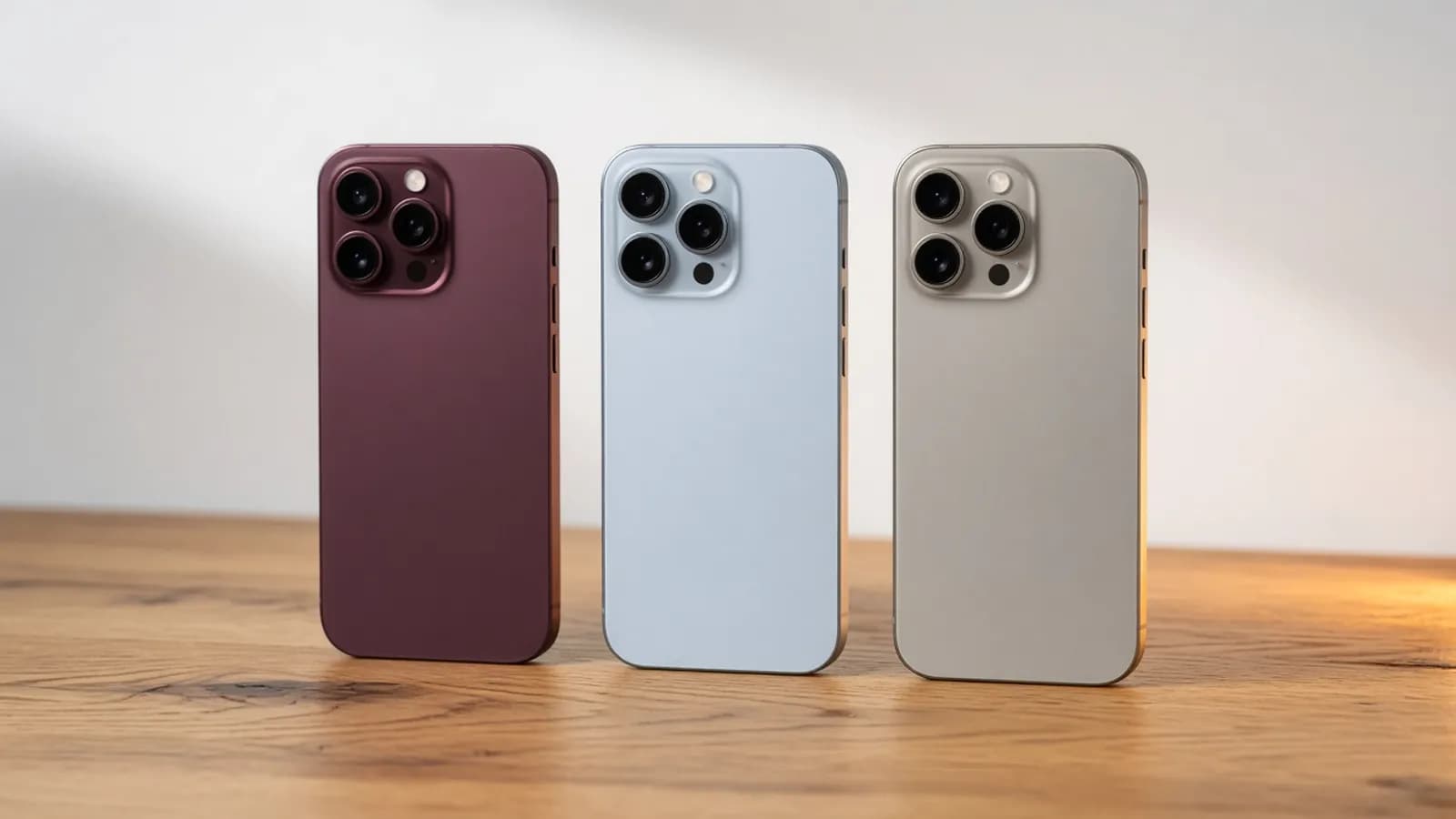
The 18 Pro keeps the aluminum unibody design Apple introduced last year, with Ceramic Shield 2 on the front and Ceramic Shield on the back. It carries the same IP68 dust and water rating, and it comes in Black, Silver, Glacier, and Burgundy on both sizes.
Weight has crept up slightly. Apple lists the 18 Pro at 211 grams and the 18 Pro Max at 249 grams. Engadget points out the smaller model gains just 5 grams over its predecessor, while the Pro Max jumps from 233 grams, likely because of the larger camera module with moving parts.
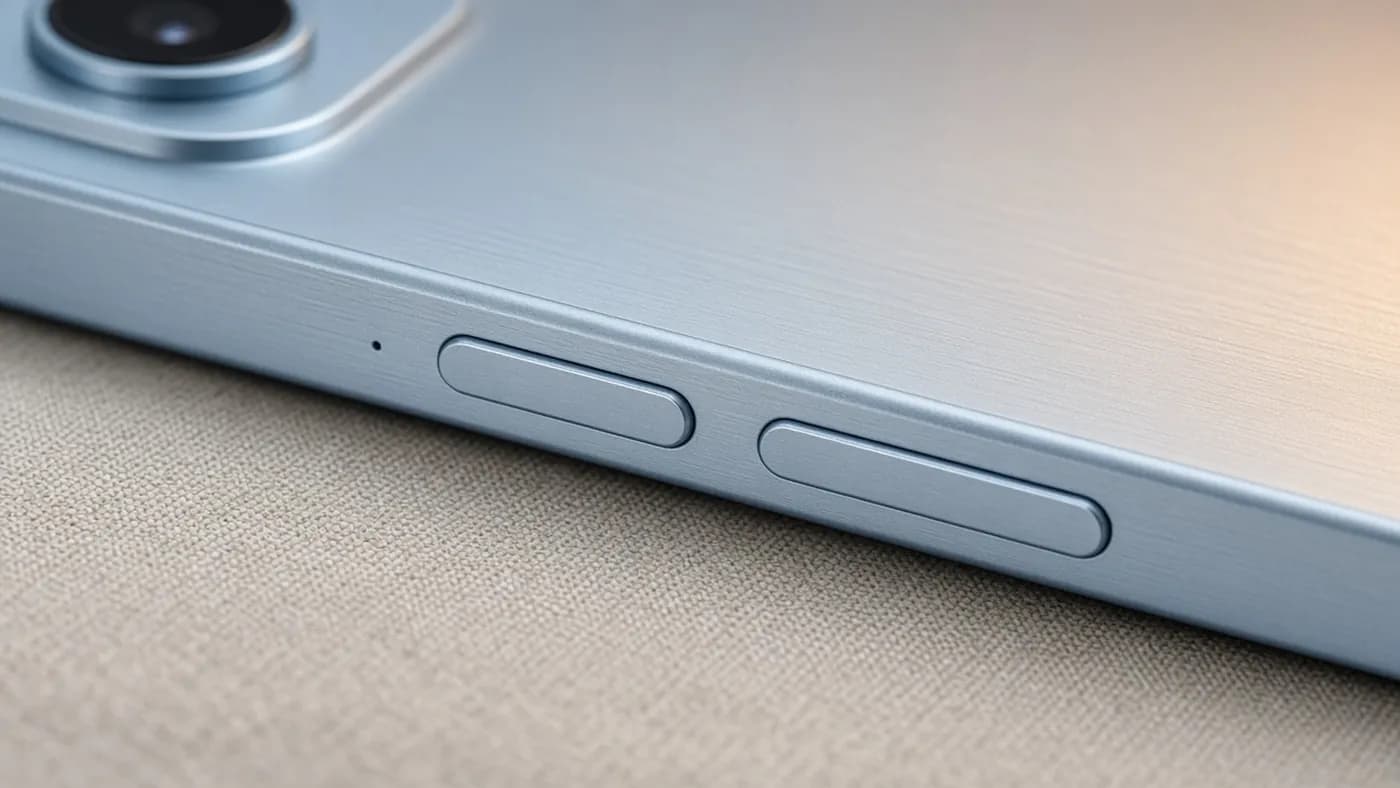
Engadget also warns that the aluminum frames, like last year's, are more prone to nicks than the titanium used on the iPhone 16 Pro and older models. We would budget for a case, especially on the lighter Glacier and Silver finishes.
A smaller Dynamic Island
The one visible change on the front is a smaller Dynamic Island. Apple moved the Face ID hardware beneath a specially patterned section of the display, so the black cutout only needs to cover the front camera until more room is needed.
The Island can now show three live activities at once instead of two. It is clever engineering, but both The Verge and Engadget said they rarely noticed the difference in daily use.
Display
Screen sizes are unchanged: 6.3 inches at 2622 by 1206 pixels on the Pro and 6.9 inches at 2868 by 1320 on the Pro Max, both at 460 pixels per inch. ProMotion scales up to 120Hz, and the Always-On display returns.
Apple rates both panels at 1,000 nits typical, 1,600 nits for HDR content, and 3,000 nits peak outdoors, with a 1-nit minimum for late-night reading. An anti-reflective coating helps in bright light. None of this is new, but these remain among the best phone displays available.
Cameras
All three rear cameras are 48 megapixels: a 24mm main, a 13mm ultrawide, and a 100mm 4x tetraprism telephoto that Apple says can also deliver optical-quality 8x shots. The front camera is an 18MP Center Stage unit. The headline, though, is the main lens.
Variable aperture: what it actually does
The main camera now has a six-blade mechanical iris with four stops: f/1.48, f/1.8, f/2.8, and f/4. The widest setting lets in more light than last year's lens, and the narrower settings add depth of field for close subjects.
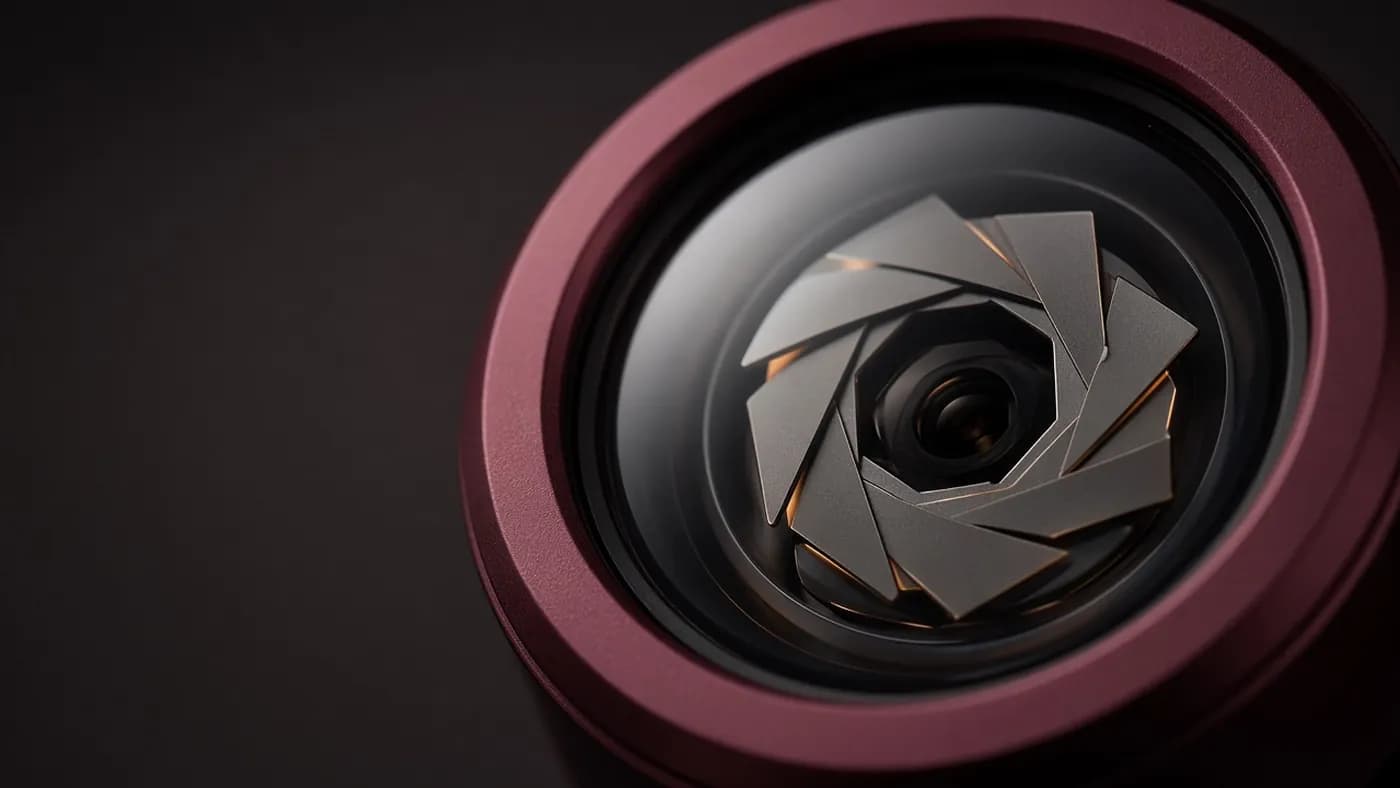
Reviewers agree the gains are real but small. The Verge found f/1.48 allows slightly shorter Night Mode captures, and f/4 helps keep close-up text and objects sharp. Because the sensor is small, even f/1.48 does not produce dramatic background blur; The Verge calculated it is roughly equivalent to f/5 on a full-frame camera in depth-of-field terms.
In automatic mode, the camera picks an aperture for you. The Verge saw it sit at f/1.8 in good light, while Engadget found its auto shots were almost always at f/1.48. Either way, most buyers will never touch the setting, and that is fine.
Pro controls finally arrive
The bigger practical change is software. The stock Camera app now offers manual control over aperture, shutter speed, white balance, and focus, with shutter speeds ranging from 1/6000 second to 1 second according to Engadget. There is still no direct ISO control.
The Verge reports that using a manual shutter speed captures a single frame instead of Apple's usual multi-frame processing. That costs some dynamic range, but it also delivers the less-processed look many iPhone photographers have asked for. The downside, noted by The Verge, is that the on-screen control icons are small and fiddly.
Reference Image, Cinematic, and Styles
Apple also introduced Reference Image, a camera mode that embeds sensor-signed data so a photo can later be checked for edits. It must be enabled in Settings, produces larger files, and needs an internet connection to develop. Engadget called it a step in the right direction for fighting AI-driven misinformation.
You can now apply Cinematic effects to regular video after capture, though Engadget found results inconsistent when subjects moved toward or away from the lens. Photographic Styles gains texture options such as Glow, Soft Skin, and Film with optional grain, all of which reviewers described as subtle.
Key takeaway: variable aperture is a meaningful hardware first for the iPhone, but the manual controls it enables matter more than the image quality gains. Casual shooters will see the same excellent results as last year.
Performance and thermals
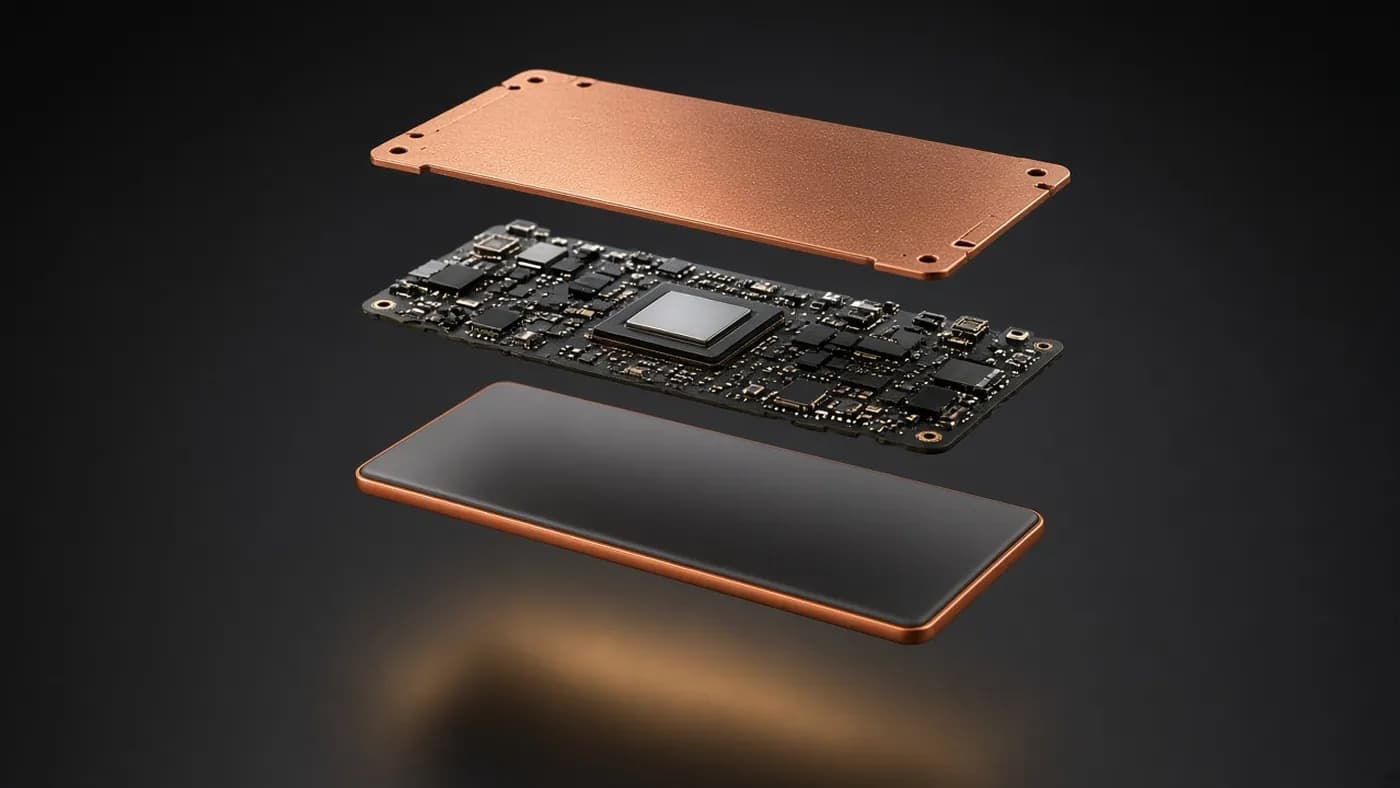
The A20 Pro is built on a 2-nanometer process, with a six-core CPU (two performance cores and four efficiency cores), a seven-core GPU with Neural Accelerators, and hardware ray tracing. Engadget reports Apple also moved memory next to the chip rather than stacking it on top, which improves heat flow.
Early independent benchmarks put the chip about 25 percent ahead of the Galaxy S26 Ultra in single-core and 10 percent ahead in multi-core CPU tests. In the 3DMark Solar Bay graphics test, the 18 Pro Max hit 67.9 frames per second, a 45 percent jump over the 17 Pro Max.
Sustained performance is where the redesigned vapor chamber pays off. In one published 20-loop stress test, the Pro Max posted a 79.4 percent stability score, a 25 percent improvement over its predecessor. Wired likewise praised the cooling, and Engadget said the phone ran hot only once during testing and cooled down within about a minute.
The 18 Pro is also the first Pro iPhone to use Apple's in-house C2 modem, paired with the N1 wireless chip. The Verge reported no connectivity problems during its testing.
Battery and charging
Apple rates the 18 Pro for up to 24 hours of typical use and 36 hours of video playback, and the Pro Max for 30 and 45 hours respectively. Those video figures are up from 33 and 39 hours on last year's models.
Independent testing shows smaller but real gains. Tom's Guide's battery test, which browses the web continuously over 5G at 150 nits, produced these results:
| Phone | Tom's Guide battery test (hours:minutes) |
|---|---|
| iPhone 18 Pro Max | 18:27 |
| iPhone 17 Pro Max | 17:54 |
| Galaxy S26 Ultra | 16:40 |
| iPhone 18 Pro | 16:17 |
| iPhone 17 Pro | 15:21 |
That makes the Pro Max the longest-lasting iPhone Tom's Guide has tested. Wired reported around 50 percent left at the end of a day with about five hours of screen time on the Pro Max, and around 40 percent left at bedtime on the smaller Pro.
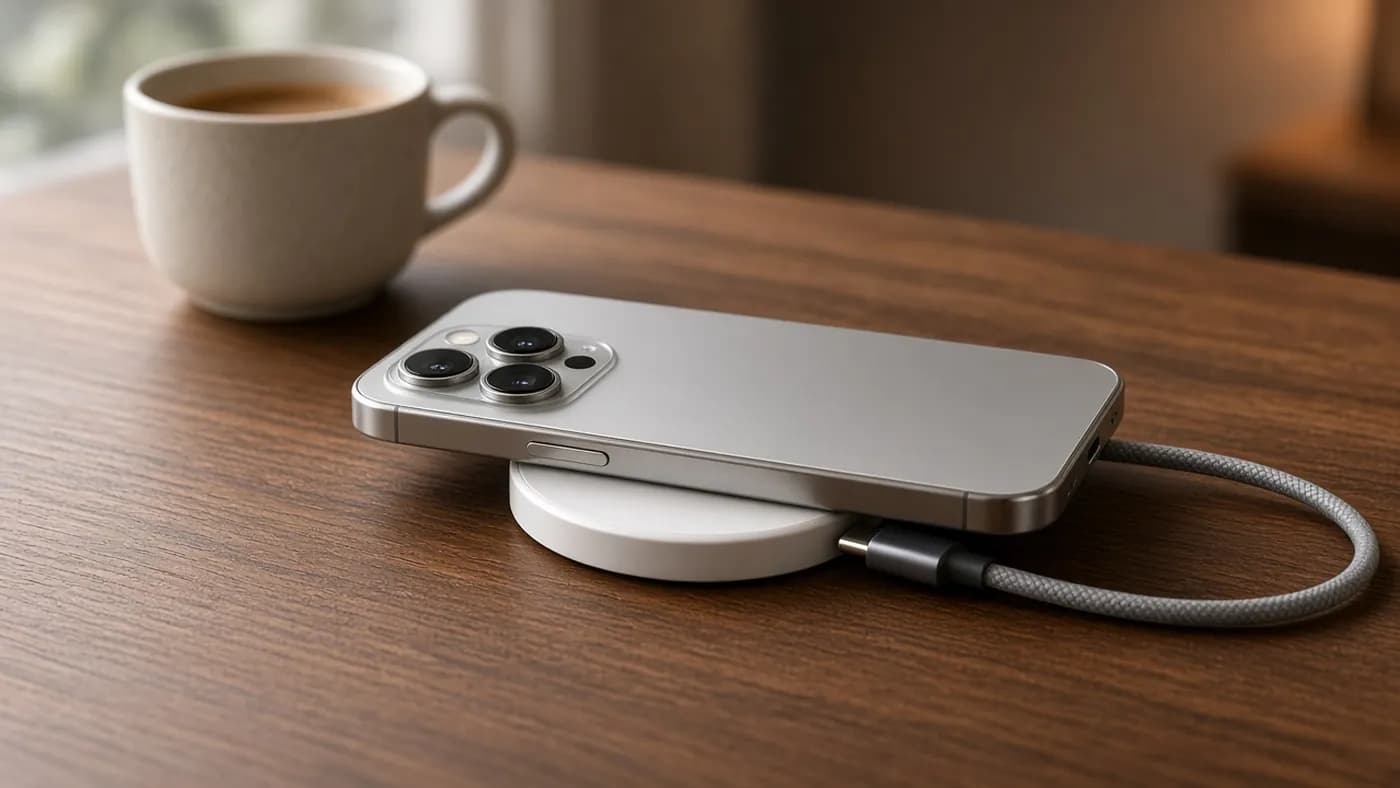
Charging is the more noticeable upgrade. With a 60W-capable adapter, Apple says both models reach 50 percent in about 15 minutes. Independent charging tests have measured the 18 Pro at 53 percent in 15 minutes and 80 percent in 30, and the Pro Max at 44 percent and 77 percent. MagSafe can reach 50 percent in 30 minutes with a 35W adapter, per Apple.
iOS 27 and Siri
The 18 Pro ships with iOS 27 and the new AI-powered Siri. The Verge was impressed by its ability to search across email and messages at once. Engadget was more mixed, finding Siri helpful for recommendations but still prone to odd misunderstandings. Most of these features also reach older iPhones, so they are not a reason to upgrade on their own.
How it compares
The 18 Pro's closest rivals are its own bigger sibling and the top Android flagships. Prices below are US starting prices at 256GB.
| iPhone 18 Pro | iPhone 18 Pro Max | Google Pixel 11 Pro | Galaxy S26 Ultra | |
|---|---|---|---|---|
| Starting price | $1,199 | $1,299 | $1,099 | $1,299.99 |
| Display | 6.3-inch, 120Hz | 6.9-inch, 120Hz | 6.3-inch, 120Hz | 6.9-inch, 120Hz |
| Chip | A20 Pro | A20 Pro | Tensor G6 | Snapdragon 8 Elite Gen 5 for Galaxy |
| Telephoto | 4x, 48MP | 4x, 48MP | 5x, 48MP | Yes |
| Wired charging | 60W | 60W | 30W | 60W |
| Tom's Guide battery test | 16:17 | 18:27 | 13:25 | 16:40 |
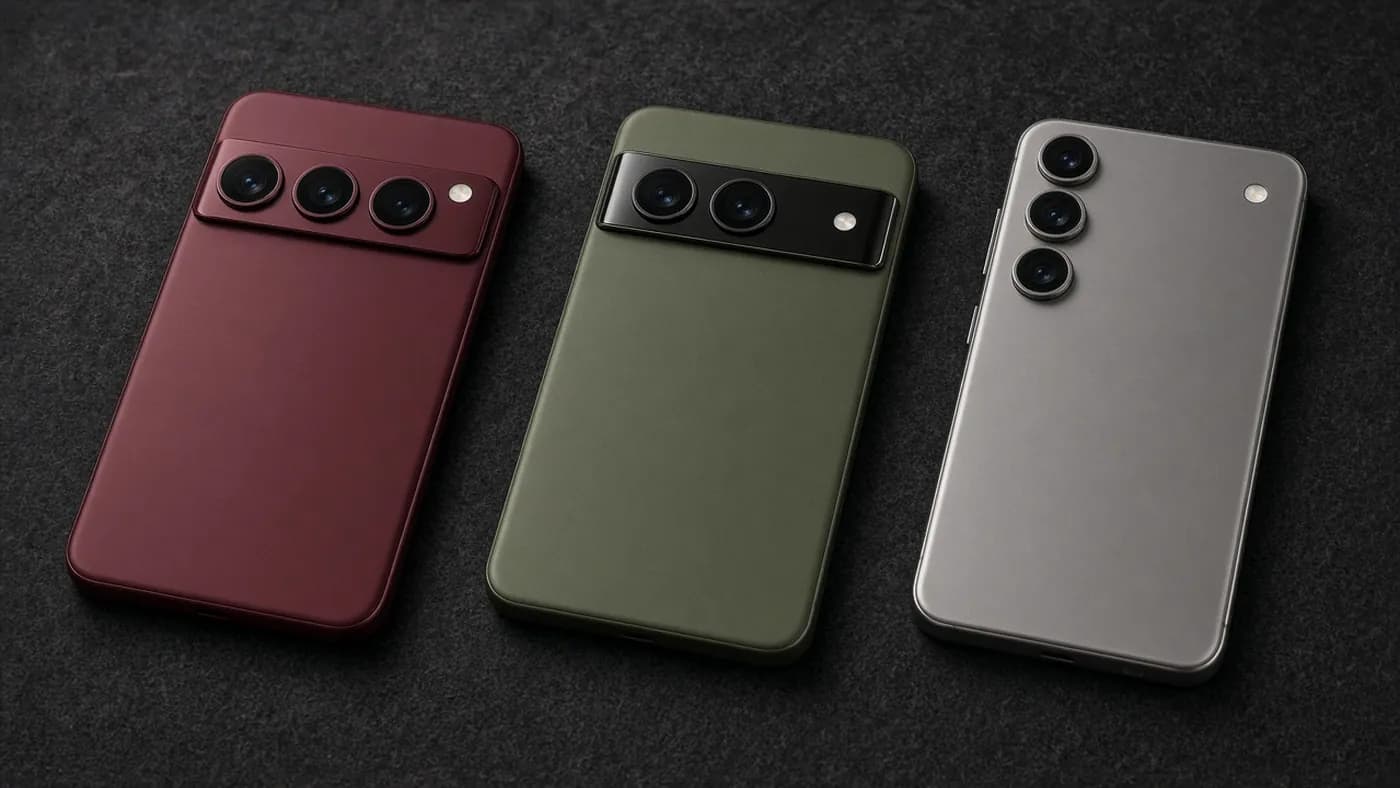
The Pixel 11 Pro is $100 cheaper and has stronger AI photo features, but it trails badly in gaming performance and battery life. The Galaxy S26 Ultra matches the Pro Max on price and screen size. The Pro Max itself costs only $100 more than the 18 Pro at every tier and adds more than two hours in Tom's Guide's test, which makes it the better value if you can live with the size.
Who should buy it
Engadget and Wired both awarded the 18 Pro 9 out of 10, while The Verge called it "excellent and utterly iterative." That split matches our view: this is a great phone, but whether it is a great upgrade depends on what you carry today.
Use this checklist before you buy:
- If you own an iPhone 17 Pro, skip this generation unless manual photography is a priority.
- If you own an iPhone 16 Pro or older, the camera, battery, and charging gains add up to a worthwhile jump.
- If battery life matters most, choose the Pro Max, which costs $100 more at every storage tier.
- If you are curious about foldables, wait to see the iPhone Duo before committing.
- Budget for storage carefully, since going from 256GB to 2TB adds $1,200.
Key takeaway: the iPhone 18 Pro Max is the pick for most buyers who want the best iPhone camera and battery life; the smaller 18 Pro is for those who prioritize one-handed use.
FAQ
How much does the iPhone 18 Pro cost?
The iPhone 18 Pro starts at $1,199 for 256GB, rising to $1,399 for 512GB, $1,799 for 1TB, and $2,399 for 2TB. The Pro Max is $100 more at each tier, starting at $1,299.
Those headline prices require choosing a US carrier at checkout. According to MacObserver, buying unlocked adds $100.
Is the variable aperture worth upgrading for?
For most people, no. Reviewers found the improvements to everyday image quality are marginal. The real benefit is creative control when paired with manual shutter speed, which enthusiasts will appreciate.
Does the iPhone 18 Pro have better battery life than the 17 Pro?
Yes, modestly. Tom's Guide measured 16 hours 17 minutes for the 18 Pro versus 15 hours 21 minutes for the 17 Pro, and 18 hours 27 minutes for the 18 Pro Max versus 17 hours 54 minutes for the 17 Pro Max.
When did the iPhone 18 Pro go on sale?
Pre-orders opened on September 12, 2026, and both models went on sale on September 18, 2026.
Final Verdict
The iPhone 18 Pro is the best camera phone Apple has made, with standout sustained performance, fast charging, and, in Pro Max form, the best battery life of any iPhone. The variable aperture and manual controls make it genuinely more fun for anyone who likes to shoot deliberately.
It is also an incremental update at a higher price. Owners of recent Pro models can comfortably wait, but anyone on an iPhone 16 Pro or older will find a polished, powerful upgrade here.
Join the conversation