Meta used its Connect keynote in Menlo Park on Wednesday, September 23, to make one argument: the next computing platform is a personal AI agent, and Meta wants to own the devices you talk to it through.
The agent is Muse, the assistant Meta launched in the US just over two weeks ago. The surprise was Muse Charm, a small handheld gadget that exists only to reach Muse. Around it, Meta showed a refreshed Ray-Ban lineup, its first camera-free audio glasses, wider availability for the Meta Ray-Ban Display, and a lightweight headset called Meta VR Glasses.
Mark Zuckerberg also made his pitch in unusually direct terms. "It is actually quite clear personal superintelligence will not only come first; it will be much bigger and more important," he said on stage, as quoted by Reuters. "So we have shifted our focus to building the best devices for personal superintelligence."
Here's what was actually announced, what it costs, and what's still missing.
Muse Charm: a pocket-sized door to Muse
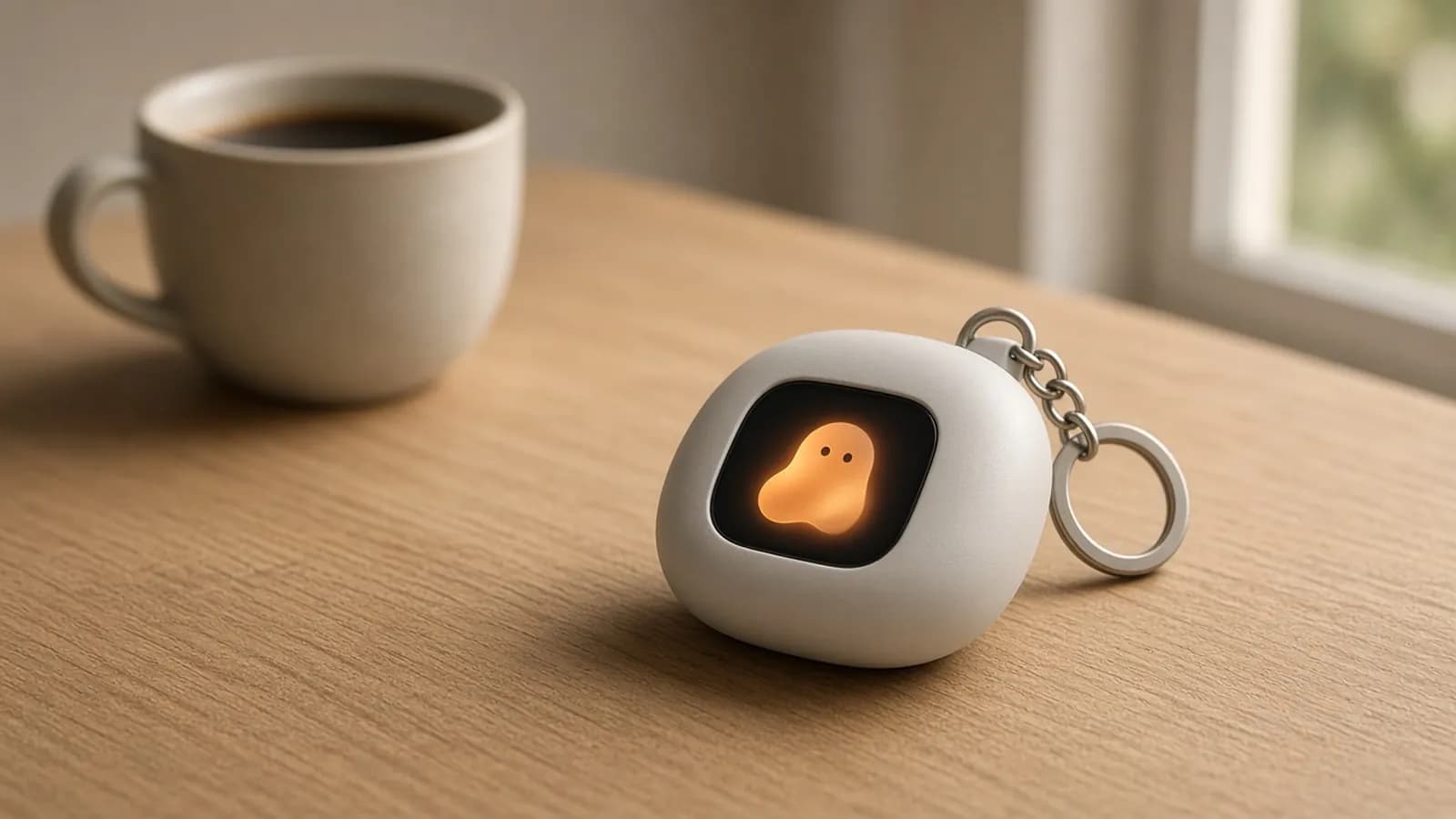
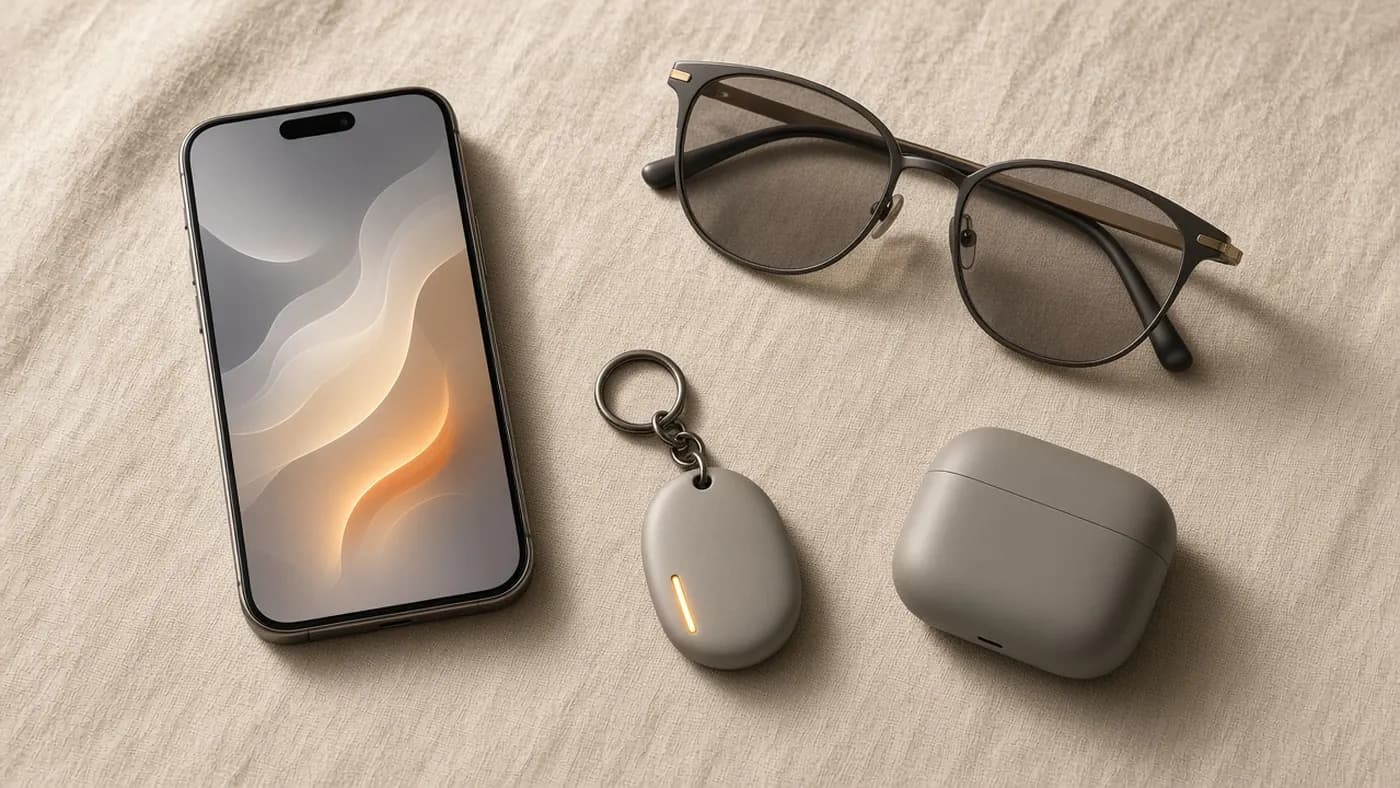
Muse Charm was the "one more thing" moment. Reuters described it as pocket-watch-sized and roughly the size of an AirPods case. It has a touchscreen of about 2 inches that you can navigate with a thumb, with a customizable Muse character at the center.
"We pack the whole Muse experience, including the whole real-time voice and avatar stack, into something that fits on a keychain and is always available to talk to," Zuckerberg said, according to Reuters.
Meta's own description is brief. The company calls Charm "a delightful and fun device built for you to talk and interact with your Muse," running a state-of-the-art real-time voice model. It says it will "have more to share later this year."
What we know so far, from Meta and from Reuters and Bloomberg reporting:
- Connectivity: A built-in 5G modem, so Charm can reach Muse without Wi-Fi or a paired phone. Reuters reports that it can't make phone calls.
- Wake method: A fingerprint sensor. You press it to start talking to your agent.
- Display: A roughly 2-inch touchscreen. Bloomberg reports it's OLED.
- Other hardware: Speakers and microphones. Bloomberg also reports cameras for photos and for giving Muse visual context, plus USB-C charging.
- Timing: Zuckerberg said it will ship "in time for the holidays in December."
- Price: Not announced. Bloomberg's sources say it will cost about as much as a smartwatch. Cellular fees haven't been decided.
Zuckerberg was candid that the hardware isn't finished. He said Meta still has to settle the "finishing material" and the component layout before it can ship, as CNBC reported. Bloomberg reports the device came out of Meta's new design lab, led by former Apple interface chief Alan Dye, working with its superintelligence group.
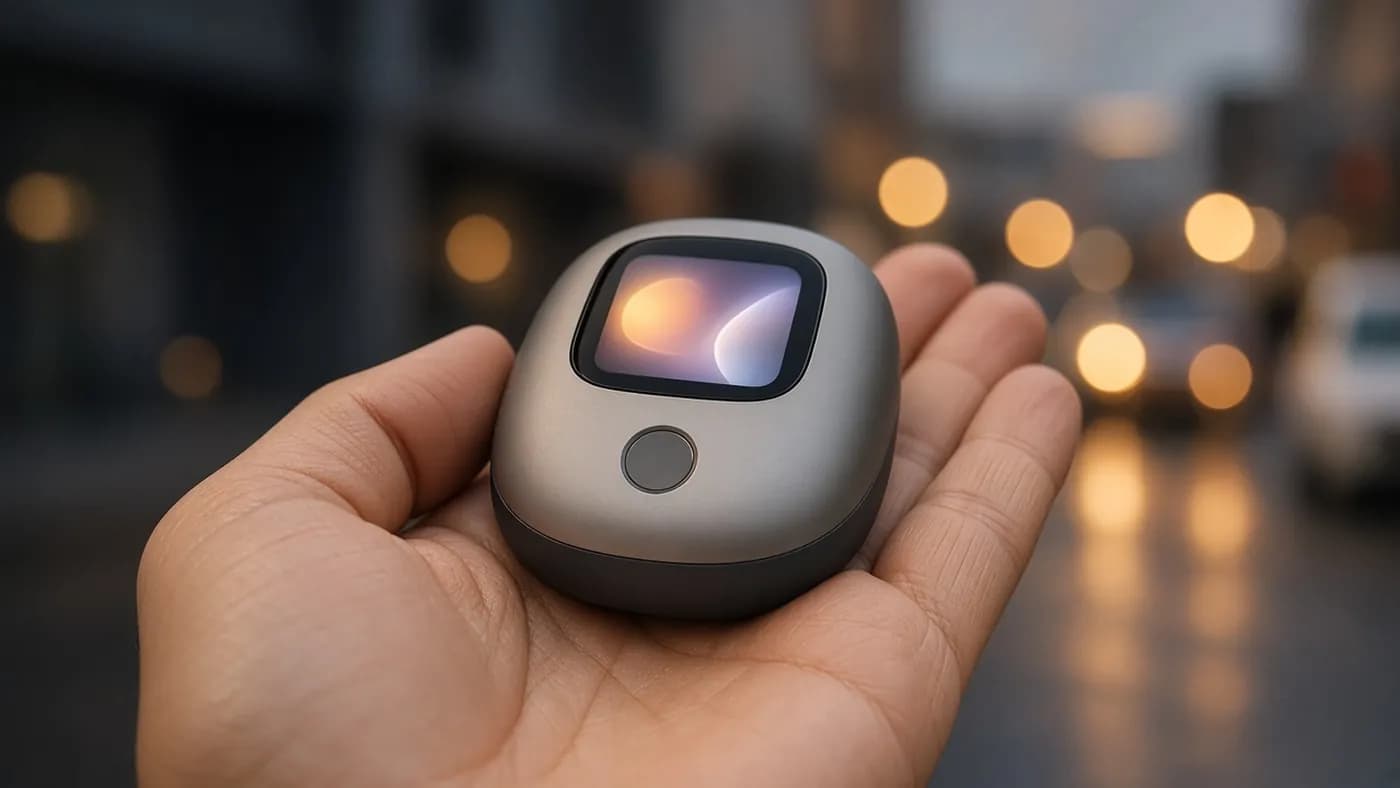
Key takeaway: Muse Charm is a real product with a December target. It has no price, no battery-life figure and no carrier plan yet, so treat it as a preview rather than something you can plan to buy today.
The Muse agent keeps expanding
Charm only makes sense if Muse is worth carrying around, and Meta spent a good part of the keynote on the agent itself.
Muse launched on September 8 in the US on iOS, Android, the web at muse.ai and inside WhatsApp. It's built to do tasks, not just answer questions: send emails, book reservations, shop and manage errands for you. Meta says each user's agent and data live in a dedicated "Muse Secure VM." Muse is free for most uses. TechCrunch reported at launch that two paid tiers, Power at $20 a month and Maximum at $100 a month, add more usage.
At Connect, Meta added a designable voice with adjustable speed and accent, computer use on the Mac, and an email address of its own for each agent. It also added new connectors to services like Walmart, Best Buy, Instacart, Shop Pay, PayPal, Notion and GitHub. Reuters also reported a Gap integration.
The traction is real. Muse has drawn millions of downloads, and Reuters notes some analysts call it the biggest US app launch since ChatGPT. Meta shares rose nearly 24 percent between Muse's launch and Wednesday's close.
Muse is coming to Meta's glasses
The bigger strategic move may be putting Muse on your face. Meta says that "in the coming months" Muse will come to its AI glasses, and you'll activate it by saying your agent's name.
Muse on glasses can act on what you're looking at. You could ask about a product on a shelf, a flier on a wall or a school supply list. Meta's examples include guided workouts, meal logging with nutrition insights, booking appointments, checking flight prices and buying products you see. Muse runs tasks in the background and checks back when it's done.
Meta hasn't given a firm date or said exactly which frames get it first. It has only said that Ray-Ban, Oakley and Meta Glasses models are part of the plan.
The new glasses lineup and prices
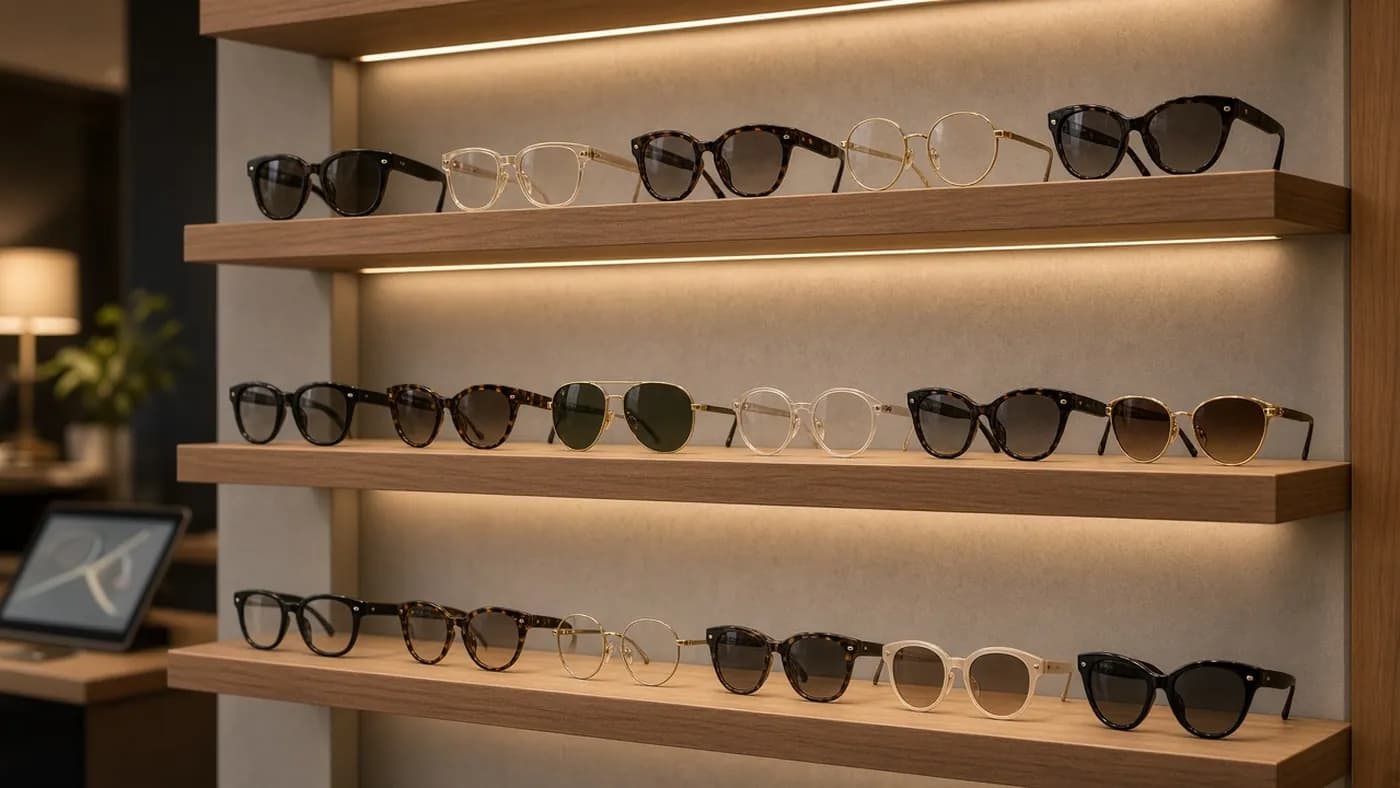
Meta says it will offer more than 100 styles of AI glasses across its brands by the end of the year. These are the key hardware announcements and their US prices:
| Product | US price | Availability |
|---|---|---|
| Ray-Ban Meta (Gen 3) | From $449 | On sale now |
| Ray-Ban Meta Audio (no camera) | From $349 | Preorders open, ships Oct. 13 |
| Meta Adventurer (smaller case edition) | $249 | Preorders open, on sale Oct. 23 |
| Meta Ray-Ban Display | $799 (unchanged) | UK and Canada now; France, Italy, Germany Oct. 13 |
| Meta VR Glasses | $1,299.99 | Spring 2027 |
| Muse Charm | Not announced | December 2026 |
Ray-Ban Meta (Gen 3) is an incremental update to Meta's best-selling glasses. It's slimmer, battery life goes up to nine hours, and a new customizable action button gives instant access to Meta AI. The 3K video camera and six-microphone array carry over. Meta says these are the first consumer devices to record video with Dolby Atmos spatial audio.
Ray-Ban Meta Audio is Meta's first pair with no camera. It keeps open-ear speakers, microphones and Meta AI. Meta says it's the company's slimmest and lightest frame, and Smart Glasses Geek puts it at 43 grams. It's rated for 12 hours of battery life and comes in two new styles, Clubmaster and Burbank. This is the most interesting new pair for people who want AI audio but don't want to wear a camera into meetings.
Meta Ray-Ban Display, the model with a small screen in the right lens, gets no new hardware but reaches more countries. You can order it online for the first time. It went on sale Wednesday in the UK at £749 and Canada at CA$1,149, and preorders opened in France, Italy and Germany at €899 ahead of availability on October 13. New software is on the way too:
- Voice-requested cycling and public transit directions, starting later this month in the US and Canada.
- Walking directions that point to landmarks the glasses can see instead of street signs.
- On-glasses photo editing, a new Explore app, an improved calendar and phone notification mirroring.
- Hologram, a photorealistic real-time avatar for WhatsApp calls, in US Early Access later this fall.
Meta also announced hearing enhancement, which it describes as FDA-cleared software for adults with perceived mild to moderate hearing loss. It launches in the US later this year as a one-time $149.99 add-on, or included with a Meta One subscription.
Meta VR Glasses: a lighter headset, shipping next spring
Meta's first new VR hardware since the $299 Quest 3S in 2024 is Meta VR Glasses, previously known by the codename Project Phoenix. It costs $1,299.99 and goes on sale in spring 2027.
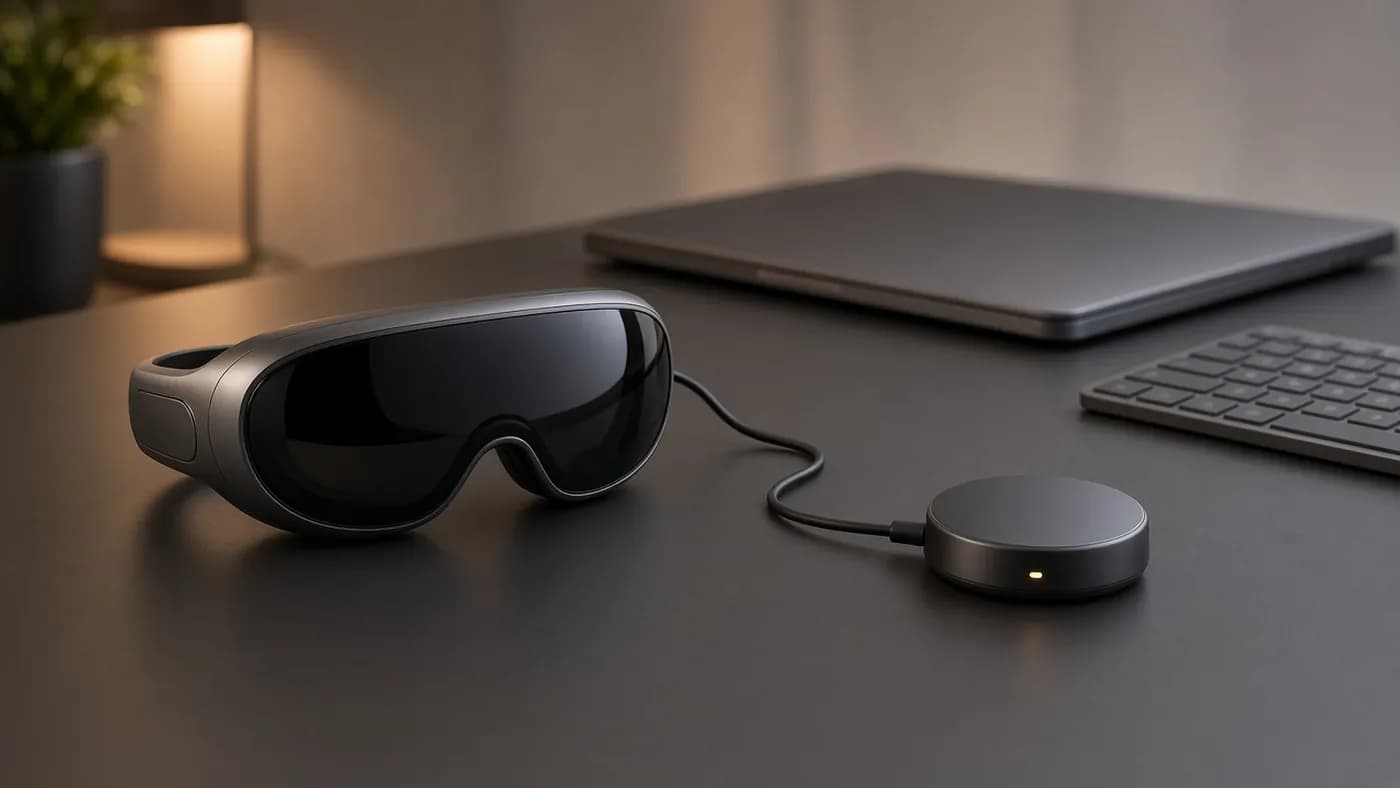
The design splits the headset in two. The part on your face weighs about 100 grams, which Meta says is five times lighter than Quest 3. It holds the displays and sensors. Compute, battery and storage live in a puck connected by an optical tether that clips to a pocket or bag.
Meta says the puck runs Qualcomm's new Snapdragon Reality Elite chip and supports 45W fast charging. Battery life is up to three hours of continuous media playback. The displays are micro-OLED panels Meta calls a "5K Infinite Display," at 37 pixels per degree. Control is by eyes, hands and voice, and Touch Plus controllers are optional.
Zuckerberg's real target: Apple and Google
Reuters reported that Zuckerberg "took repeated digs at Apple" during the keynote. That's not new. Meta has spent years trying to escape the rules and fees that come with building apps on Apple's and Google's operating systems, and its business was hit hard when Apple changed its app tracking policy in 2021.
What's new is the shape of the plan. Instead of an app you open on someone else's phone, Muse is meant to become the interface for everything. That means glasses as the main surface, Charm as a dedicated pocket device, and the phone as just one more endpoint. Reuters describes Charm as a way to reach Muse directly, "bypassing AI apps on smartphones."
The competition is moving too. Apple's upgraded Siri runs on Google's Gemini models under a deal announced in January, and it arrived this month with iOS 27. Google's Gemini is built into Android, which runs on billions of devices. Both companies control distribution in a way Meta doesn't.
Meta's edge is that it already sells glasses people want to wear, through its partnership with Ray-Ban owner EssilorLuxottica. Now it has an agent people are actually downloading. Few companies have both.
Will people carry another gadget?
Dedicated AI gadgets have a rough track record. Reuters points to the Rabbit R1, which had a buzzy launch in 2024 and then disappointed buyers with unreliable features. Humane's AI Pin went the same way.
Analysts quoted by Reuters are split. Linda Sui of Smart Analytics Global said Charm could catch on with Gen Z buyers "if it is affordable and easy to use." She added that unless it does things phones, watches, earbuds or glasses can't, it's "more likely to remain a nice-to-have device for early adopters." IDC's Jitesh Ubrani suggested it may appeal to "people who might not want to wear glasses or might not trust glasses," and compared it to the Tamagotchi.
That's the right frame for buyers. Charm's value depends almost entirely on whether Muse is good enough that reaching it faster matters. Without price, battery life and cellular costs, there isn't enough information yet to say whether it's worth it.
FAQ
How much does Muse Charm cost?
Meta hasn't announced a price. Bloomberg reports it will likely cost about as much as a smartwatch, and Meta hasn't decided on carrier fees for its 5G connection.
When can I buy Muse Charm?
Zuckerberg said it will ship "in time for the holidays in December." There's no exact date or preorder yet, and Meta says it will share more later this year.
Do I need new glasses to use Muse?
Meta says Muse is coming to its AI glasses "in the coming months" across Ray-Ban, Oakley and Meta Glasses. It hasn't listed which existing models will be supported or when.
What's the cheapest new Meta glasses pair?
A version of the Meta Adventurer with a smaller charging case costs $249 and goes on sale October 23. Ray-Ban Meta Audio starts at $349, and Ray-Ban Meta (Gen 3) starts at $449.
Is Muse free?
Mostly. Meta says Muse is free for most of what people need. TechCrunch reported paid Power and Maximum plans at $20 and $100 a month for heavier use.
The bottom line
Connect 2026 was Meta's clearest statement yet that it's building an AI platform, not just AI features. The glasses are shipping and priced. Muse is real and popular. Muse Charm is a promising but unfinished idea with no price.
If you want to buy something now, Ray-Ban Meta Audio and Gen 3 are the concrete options. For everything else, watch December: that's when we'll learn whether Muse on glasses and in a pocket works as well as it looked on stage.


Join the conversation