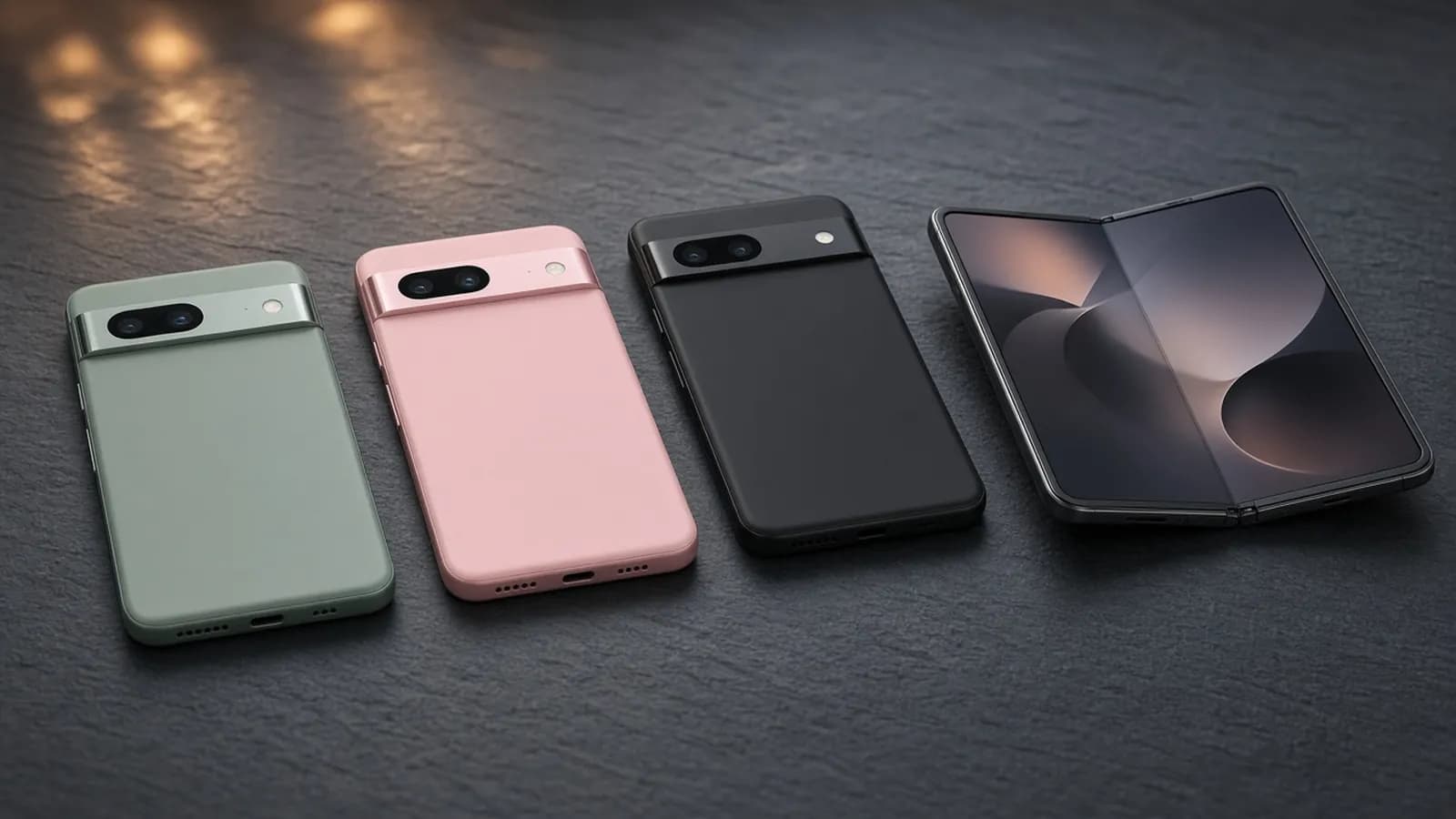
Google has taken the wraps off its 2026 hardware lineup. At its Made by Google event today, the company announced the Pixel 11, Pixel 11 Pro, Pixel 11 Pro XL and Pixel 11 Pro Fold, all powered by the new Tensor G6 chip, alongside the Pixel Watch 5 and its first item tracker, the Pixel Tag.
Preorders are open now, and Google says the phones and watch will be on shelves on August 20. The headline for buyers is less about radical hardware and more about price: every phone now starts at 256GB of storage, and every starting price is higher than last year.
The lineup at a glance
Google is sticking with the four-phone structure it has used since the Pixel 9. There is a standard model, two Pro sizes that share the same cameras, and a book-style foldable.
As TechCrunch summarized it, this generation brings "fewer hardware changes, but much more Gemini." The hardware upgrades that are here focus on durability, cameras and charging.
| Spec | Pixel 11 | Pixel 11 Pro | Pixel 11 Pro XL | Pixel 11 Pro Fold |
|---|---|---|---|---|
| Display | 6.3-inch Actua, 60-120Hz | 6.3-inch Super Actua, up to 3,600 nits | 6.8-inch Super Actua, up to 3,600 nits | 6.5-inch cover, 8-inch inner |
| Chip | Tensor G6 | Tensor G6 | Tensor G6 | Tensor G6 |
| RAM | 12GB | 12GB (256GB) or 16GB | 12GB (256GB) or 16GB | 16GB |
| Rear cameras | 48MP wide, 13MP ultrawide, 10.8MP 5x telephoto | 50MP wide, 48MP ultrawide, 48MP 5x telephoto | 50MP wide, 48MP ultrawide, 48MP 5x telephoto | 48MP wide, 10.5MP ultrawide, 10.8MP 5x telephoto |
| Battery (typical) | 4,985mAh | 4,850mAh | 5,115mAh | About 4,800mAh |
| Wired charging | 30W | 30W | 45W | 30W |
| Wireless | 25W Qi2.2 Pixelsnap | 25W Qi2.2 Pixelsnap | 25W Qi2.2 Pixelsnap | 25W Qi2.2 Pixelsnap |
| HiLight LED | No | Yes | Yes | Yes |
| Starting price | $899 | $1,099 | $1,299 | $1,899 |
Specs are drawn from Google, The Verge, GSMArena and carrier spec sheets. Retail listings differ slightly on the Pro Fold's battery rating, so treat that figure as approximate.
Tensor G6: faster, cooler, still 3nm
Every Pixel 11 model runs Tensor G6, Google's second chip since it moved production away from Samsung. GSMArena reports it remains on TSMC's 3nm process, which will disappoint anyone who expected a jump to 2nm.
Google's own claims are measured against Tensor G5 at launch. The company says the upgraded CPU delivers 25% faster web browsing and 15% quicker app launches, and outlets including TechCrunch and Engadget cite Google's figure of 20% better power efficiency.
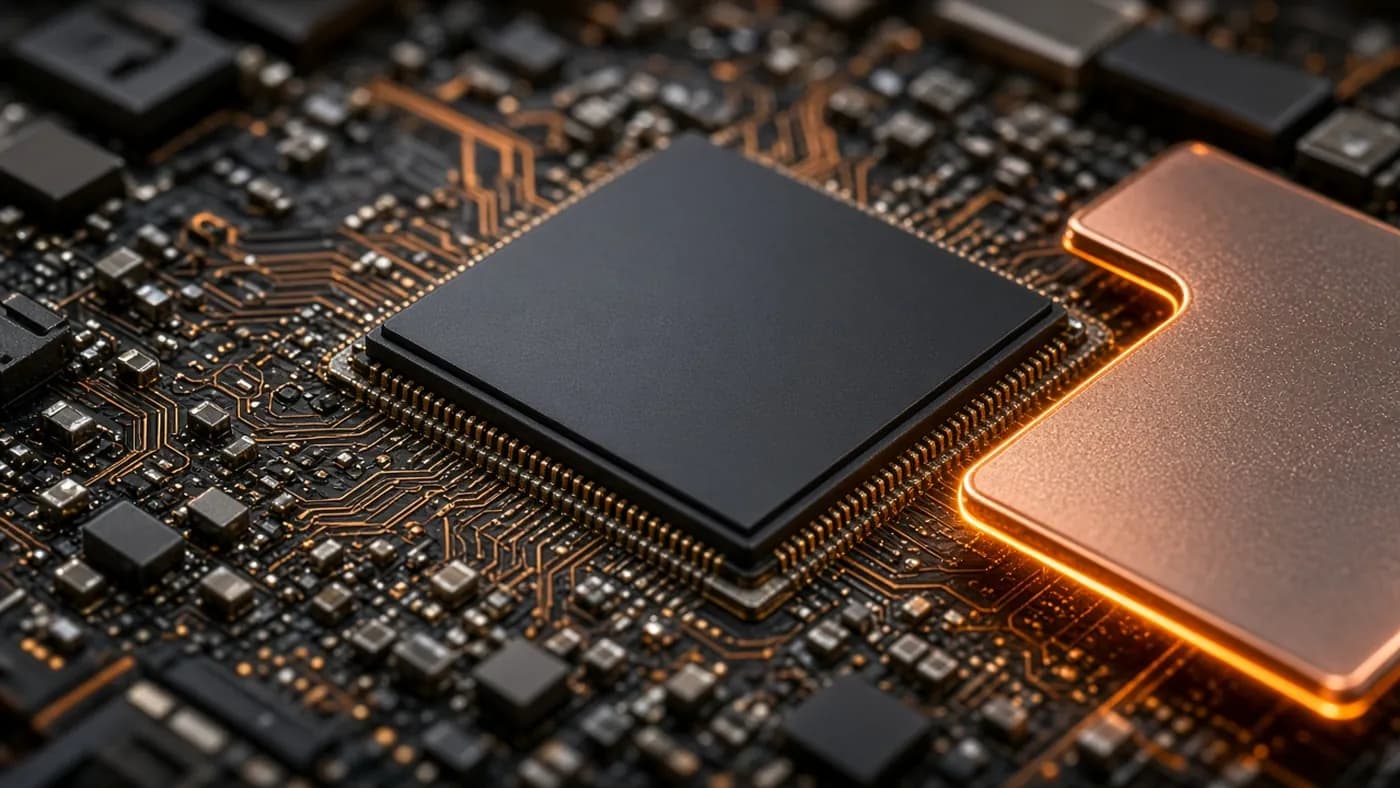
The bigger investment is in AI. Google says Tensor G6 packs 50% more TPU compute and, paired with the latest Gemini Nano model, processes on-device AI tasks up to 3.5 times faster while using significantly less energy. GSMArena reports the chip is cooled by a vapor chamber.
Security gets an upgrade too. A new Titan M3 security chip works with Tensor G6 to bring post-quantum cryptography to secure boot, according to Google. That is designed to protect against future attacks by quantum computers, not today's threats.
Key takeaway: Tensor G6 is an efficiency and AI chip first. Google is not claiming a raw performance crown; it is betting that better battery life and faster on-device Gemini matter more to Pixel buyers.
Pixel 11: thinner camera bar, bigger sensor
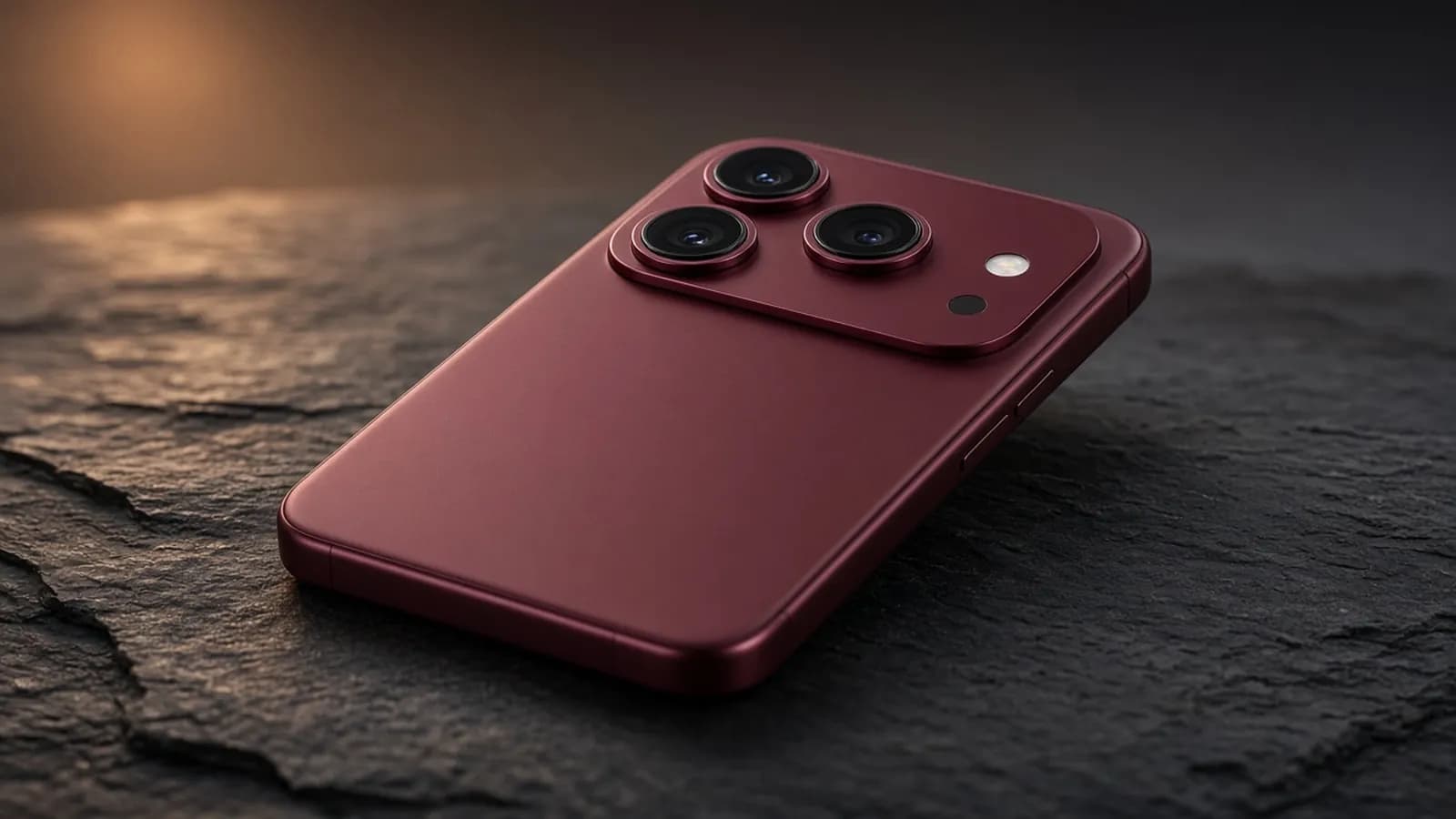
The standard Pixel 11 gets the most visible design change. Google says the camera bar is 40% thinner than on earlier base Pixels, making the phone "virtually bumpless" with a Google case. It uses a satin metal frame and polished glass back, and comes in Pistachio, Hibiscus, Frost and Obsidian.
The main camera moves to a new, larger 48MP sensor that Google says has 56% more light sensitivity than the Pixel 10's. The 5x telephoto now supports 30x Super Zoom.
The Pixel 11 does not get HiLight, and according to The Verge it still lacks an ultra-wideband chip, which matters for precision-finding the new Pixel Tag.
Pixel 11 Pro and Pro XL: durability and HiLight
The two Pro models share cameras and most features, differing mainly in screen size, battery and charging speed. Google says their Super Actua displays reach up to 3,600 nits and use a new anti-scratch coating with more than double the scratch resistance of the Pixel 10 Pro.
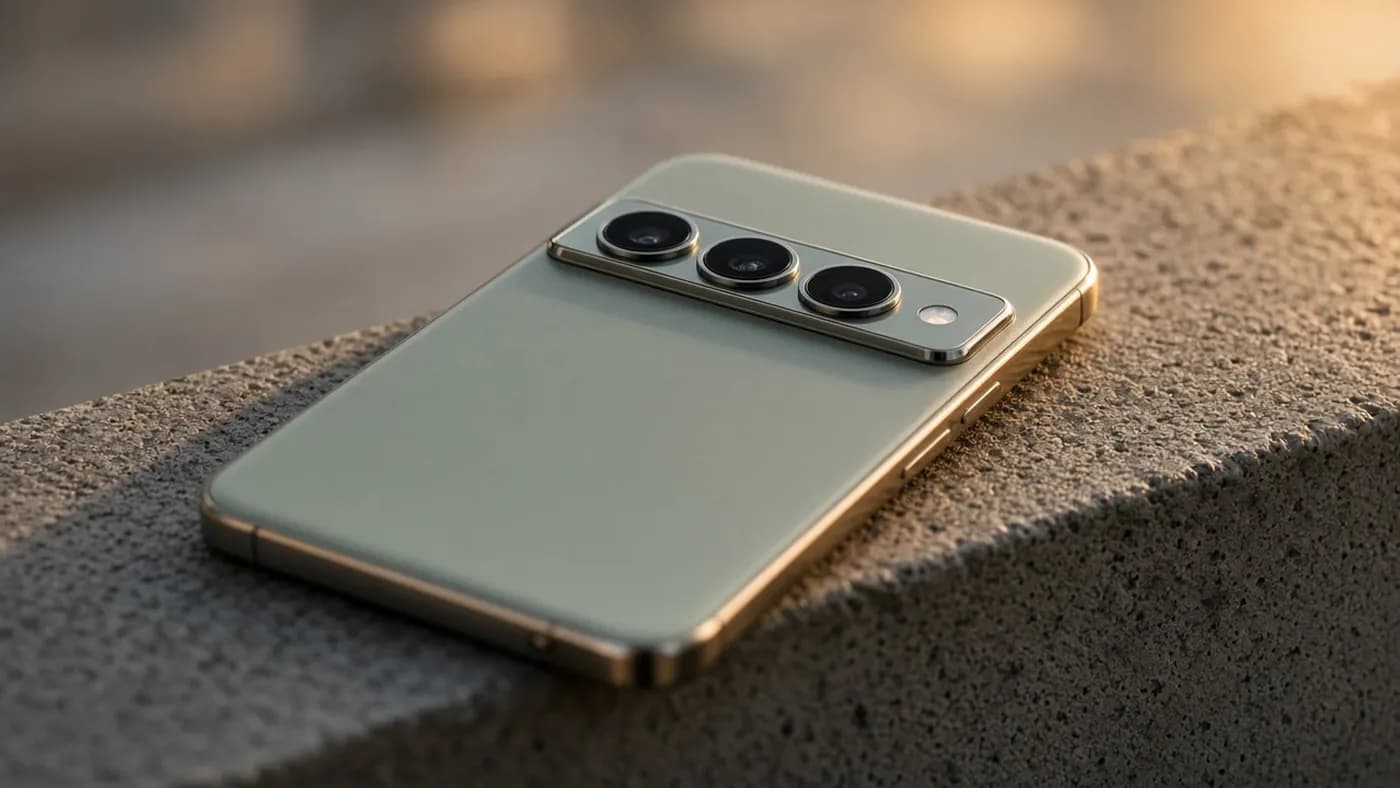
The camera upgrades are substantial on paper. Google says the Pros get a brand-new main sensor, and a redesigned 48MP telephoto with a larger sensor and 30% more light sensitivity. Portrait Mode now works at 5x, and Pro Zoom extends to 120x. Night Sight, Google claims, captures up to 4.5 times faster.
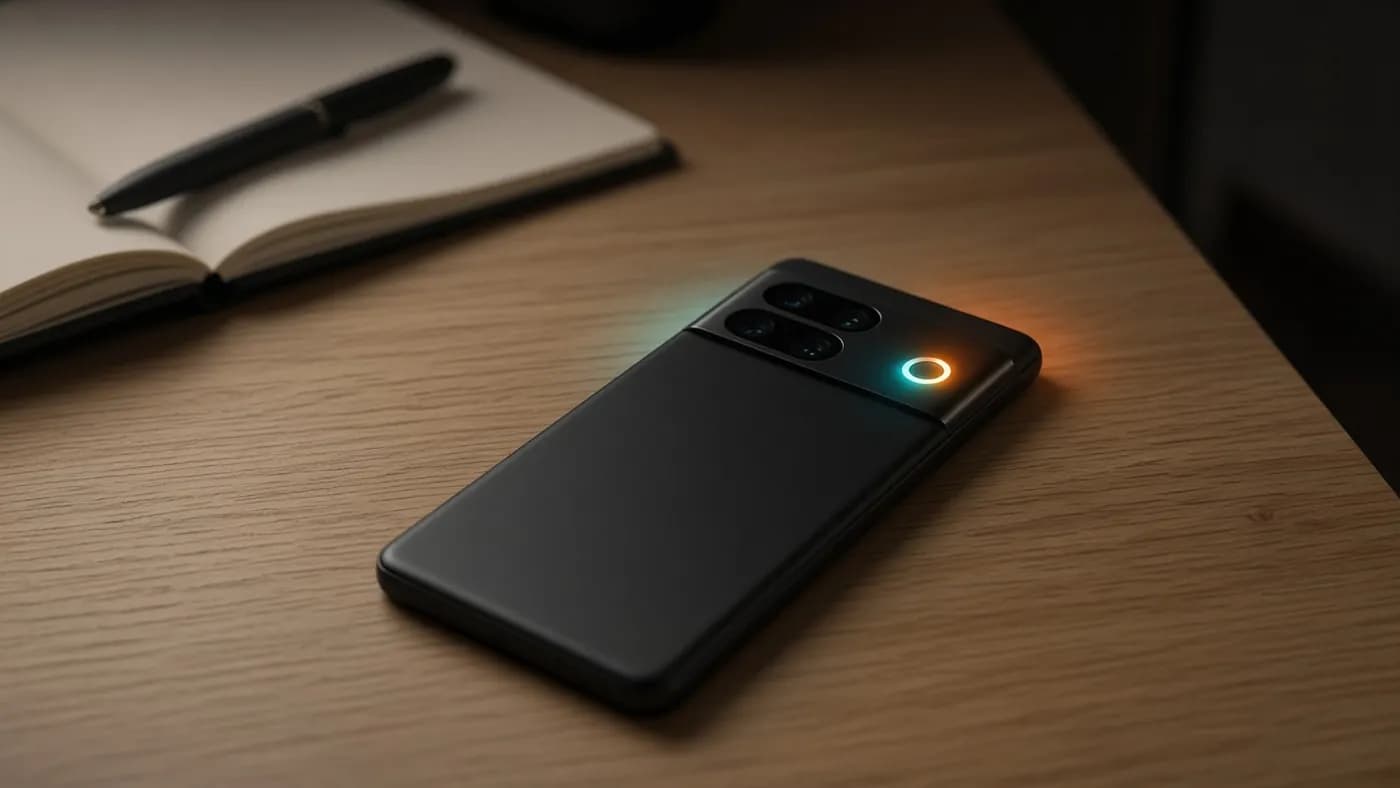
The most distinctive new feature is HiLight. It uses colored LEDs built around the camera flash to show glanceable notifications while the phone is face down. Google says it will pulse to show Gemini listening, thinking or responding, and you can assign custom colors to important callers. More capabilities, such as message alerts from favorite contacts, are promised over time.
There is one quiet downgrade. GSMArena points out that last year's Pixel 10 Pro models shipped with 16GB of RAM across the board, while the 256GB Pixel 11 Pro and Pro XL now start at 12GB. The 512GB and 1TB versions keep 16GB.
Charging improves on the XL, which Google says can deliver 15 hours of battery life from a 15-minute wired charge using its 45W charger. The Pro and Pro XL come in Canyon, Fog, Olive and an all-matte Obsidian.
Pixel 11 Pro Fold: thinner and tougher
Google says the Pixel 11 Pro Fold is nearly 10% lighter and almost 1mm thinner than the Pixel 10 Pro Fold, with slimmer bezels. The cover screen grows slightly to 6.5 inches while the inner display stays at 8 inches.
Durability is the main pitch. The Fold keeps its IP68 rating, and Google says a new glass-fiber composite back and a redesigned gearless hinge make it three times more durable than its predecessor.
It gets a new 48MP main camera and HiLight, but its camera hardware still trails the slab Pros. Wired charging rises to 30W, which Google says reaches 50% in about 30 minutes, and wireless charging is 20% faster than last year's Fold. It comes in Olive and Obsidian.
Gemini Intelligence and new software tricks
Google spent much of the event on software. The phones are designed for what Google calls Gemini Intelligence, and TechCrunch reports that US users will be able to have Gemini order groceries, book rides or call businesses to make reservations, with the option to take over or stop a task at any point.
Other additions announced today include:
- Magic Capture, which picks the best frames from a video clip and auto-crops and unblurs them into shareable photos.
- Rambler, a voice-input feature built to handle run-on sentences and filler words.
- Sign-to-text translation, an expansion of Live Transcribe that uses the camera to translate American Sign Language into text.
- Circle to Search in the camera, for identifying objects or translating text without leaving the viewfinder.
All four phones get seven years of OS, security and Pixel Drop updates, and ship with Android 17.
Pricing and storage
Google has dropped 128GB models entirely. TechCrunch notes the Pixel 11 and Pixel 11 Pro cost the same as last year's 256GB configurations, but the entry price for each rises by $100 because the cheaper tier is gone. The Pro XL and Pro Fold are simply $100 more. TechCrunch and PhoneArena both point to rising memory costs.
| Model | 256GB | 512GB | 1TB |
|---|---|---|---|
| Pixel 11 | $899 | $1,019 | Not offered |
| Pixel 11 Pro | $1,099 | $1,219 | $1,449 |
| Pixel 11 Pro XL | $1,299 | $1,419 | $1,649 |
| Pixel 11 Pro Fold | $1,899 | $2,019 | $2,249 |
Prices are US figures reported by The Verge.
Preorder offers
The Verge reports that Google, Amazon and Best Buy are all offering gift cards with unlocked preorders. Google lists an end date of August 27 for its promotion.
- Pixel 11: $100 gift card
- Pixel 11 Pro or Pro XL: $200 gift card
- Pixel 11 Pro Fold: $350 gift card, or a free 41mm Wi-Fi Pixel Watch 5 instead
Google and Amazon also offer watch bundles in place of the gift card. The Verge says a Pixel 11 and 41mm Pixel Watch 5 bundle costs $1,168.99, and bundles with the Pro models are discounted by $250.
The Pro, Pro XL and Pro Fold also include six months of Google AI Pro, which Google values at $119.94 and which includes 5TB of cloud storage.
Pixel Watch 5 and Pixel Tag
The Pixel Watch 5 starts at $399 for the 41mm model and $429 for the 45mm version, with a $579 Stephen Curry edition, according to TechCrunch. It goes on sale August 20 alongside the phones.
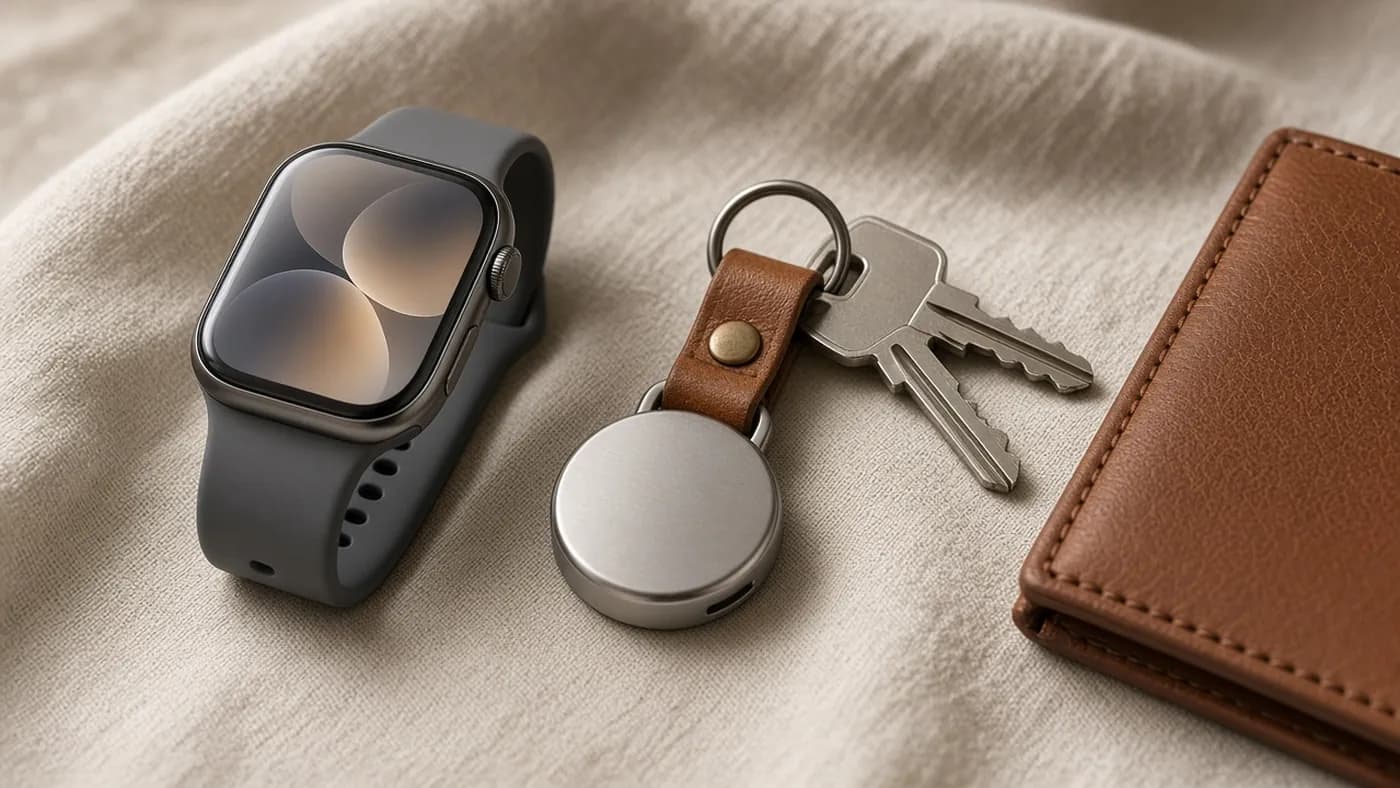
Google says it has its most accurate GPS route tracking yet and adds a set of Health Guardian features. The headline is breathing emergency detection, which Google calls an industry first for a smartwatch. It monitors for severe drops in blood oxygen and, if you are unresponsive, can call emergency services. It is launching first in several European countries, including the UK, Germany and France.
Monthly trend reports for blood pressure, insulin resistance and sleep breathing quality are "rolling out soon," Google says, with the first summary arriving after a month of wear. These are wellness features, not diagnostic tools.
The Pixel Tag is Google's answer to Apple's AirTag. It costs $29, or $99 for a four-pack, and goes on sale November 11. It works with the Find Hub network and combines UWB and Bluetooth Channel Sounding for precision finding. Google says it has a user-replaceable battery rated for up to a year.
The Verge notes a compatibility wrinkle: Channel Sounding requires a Pixel 10 or later, while UWB direction-finding needs a Pro model. The base Pixel 11 still has no UWB chip.
FAQ
When can I buy the Pixel 11?
Preorders opened on August 12 at the Google Store and retail partners. Google says all four phones and the Pixel Watch 5 will be on shelves on August 20. The Pixel Tag follows on November 11.
How much does the Pixel 11 cost?
The Pixel 11 starts at $899 for 256GB. The Pixel 11 Pro starts at $1,099, the Pro XL at $1,299 and the Pro Fold at $1,899.
Is the Pixel 11 more expensive than the Pixel 10?
The starting price is $100 higher across the lineup. For the Pixel 11 and 11 Pro, that is because Google dropped the 128GB tier; the 256GB models cost the same as last year's.
How long will the Pixel 11 get updates?
Google promises seven years of OS, security and Pixel Drop updates for all four Pixel 11 phones.
Does the Pixel Tag work with the base Pixel 11?
Yes, through the Find Hub network and Bluetooth Channel Sounding for distance. However, the base Pixel 11 lacks UWB, so it cannot show the directional arrow that Pro models can, according to The Verge.
The bottom line
The Pixel 11 series is an evolutionary year wrapped in a price increase. Tensor G6 promises better efficiency and faster on-device AI, the Pros gain HiLight and tougher screens, and the Fold gets thinner and more durable.
Whether that justifies paying more depends on how much you value Google's Gemini features. The preorder gift cards soften the blow for now; independent battery and camera testing will decide the rest.
Join the conversation