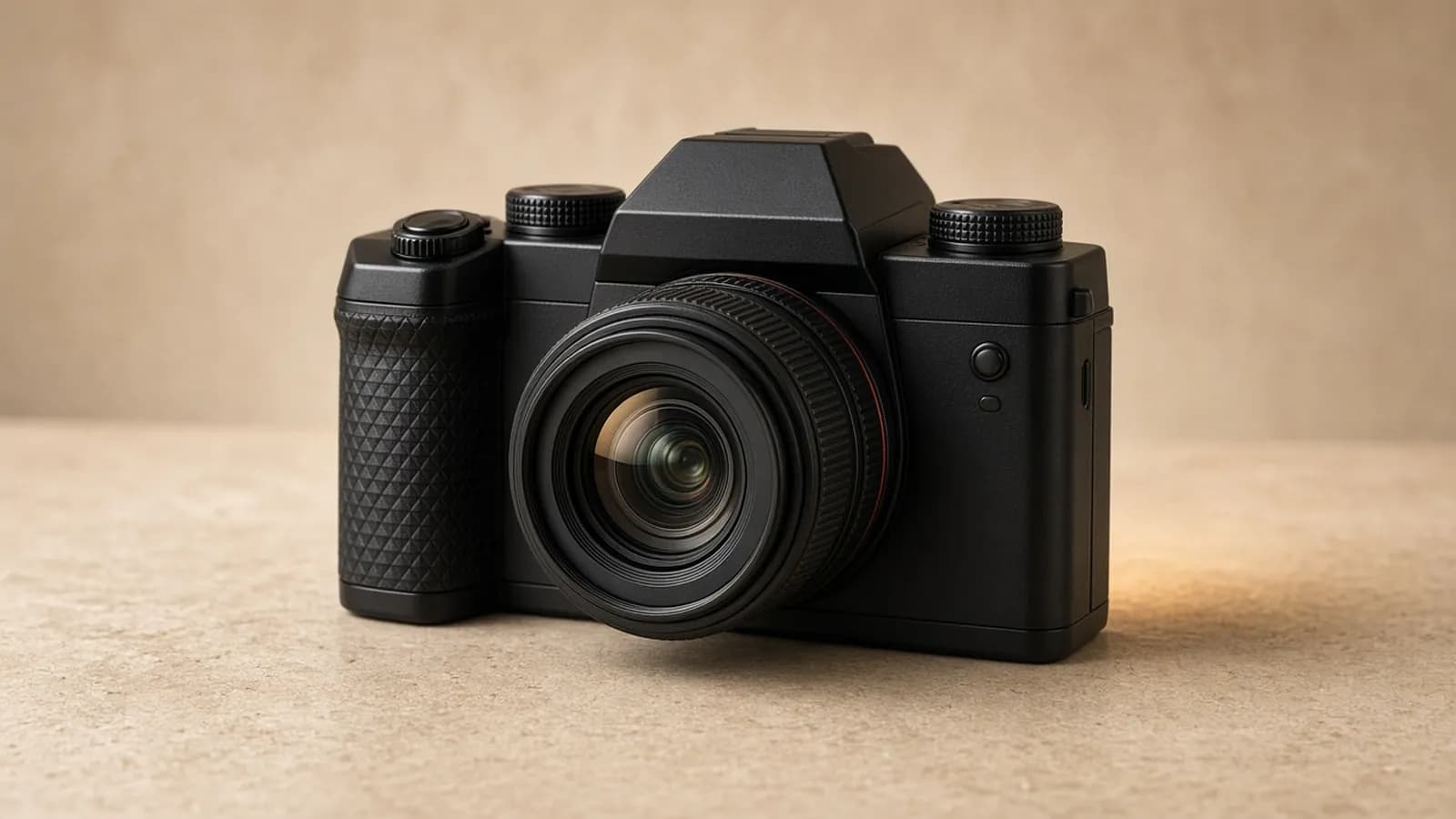
The original Canon EOS R8 had a great sensor inside a body that felt deliberately held back. It lacked in-body stabilization, it lacked an autofocus joystick, and its controls were simplified to keep it clear of the pricier EOS R6 line.
The EOS R8 Mark II fixes most of that. It keeps the 24.2MP full-frame sensor and DIGIC X processor, then adds five-axis IBIS, a joystick, a deeper burst buffer, and an angular new body that Canon says draws on its 1980s film SLRs.
It also costs more. Canon lists the R8 Mark II at $1,899 body only or $2,099 with the RF24-50mm F4.5-6.3 IS STM kit lens, with shipping expected in late October. That is roughly $400 above the original R8's launch price, which puts it squarely against the Nikon Z5II.
Because retail units have not shipped yet, this review draws on Canon's specifications and early hands-on coverage of pre-production cameras. We will revisit the verdict once final units are widely available.
Key takeaway: The R8 Mark II is Canon's least expensive and lightest full-frame body with IBIS, and it finally feels like a complete camera rather than a stripped-down one.
Design and build
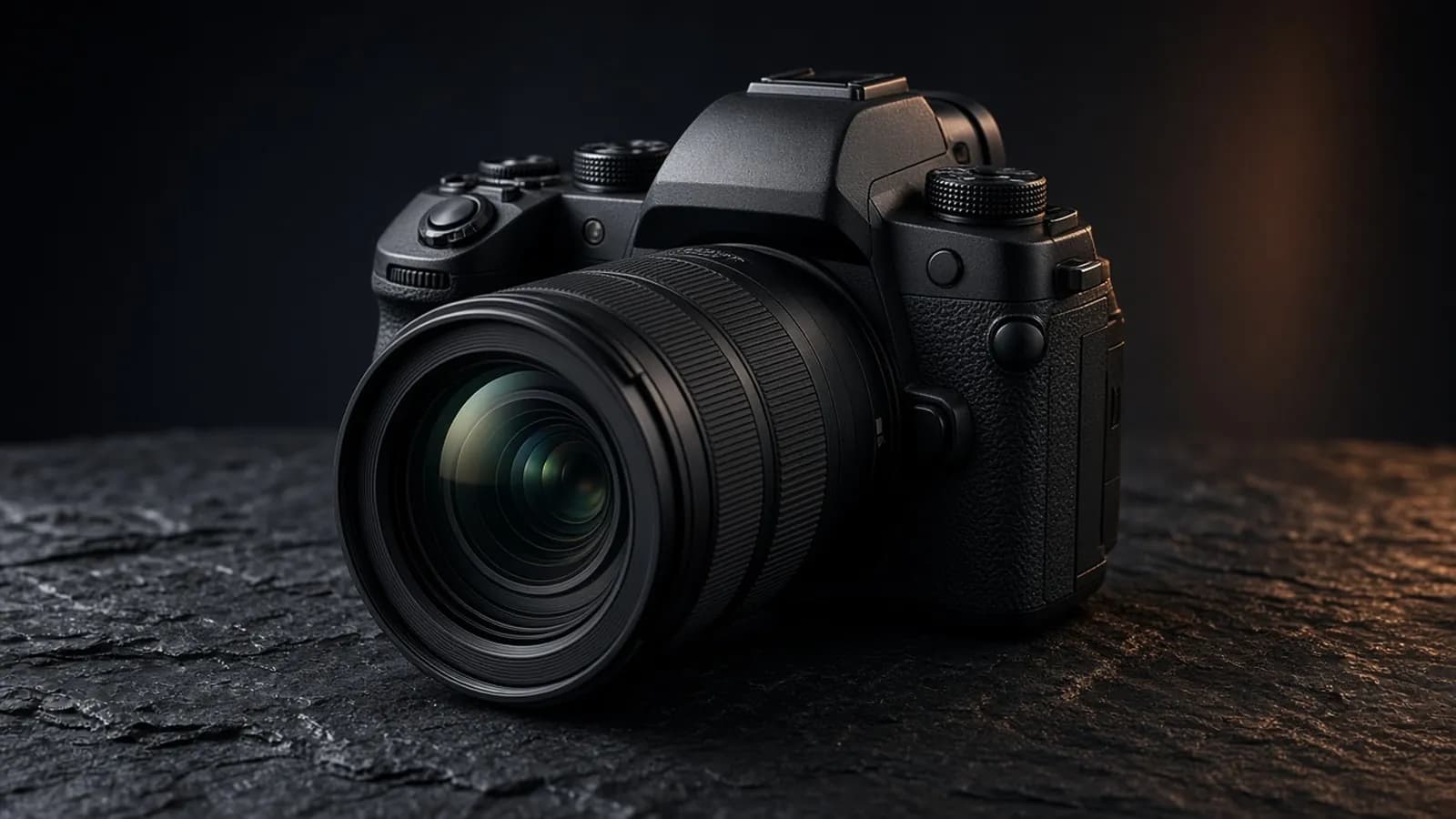
The new look is the first thing everyone notices. Digital Camera World reports that the design was inspired by the 1985 Canon T80, and the body swaps the R8's soft curves for crisp chamfered planes and a low, pointed viewfinder hump.
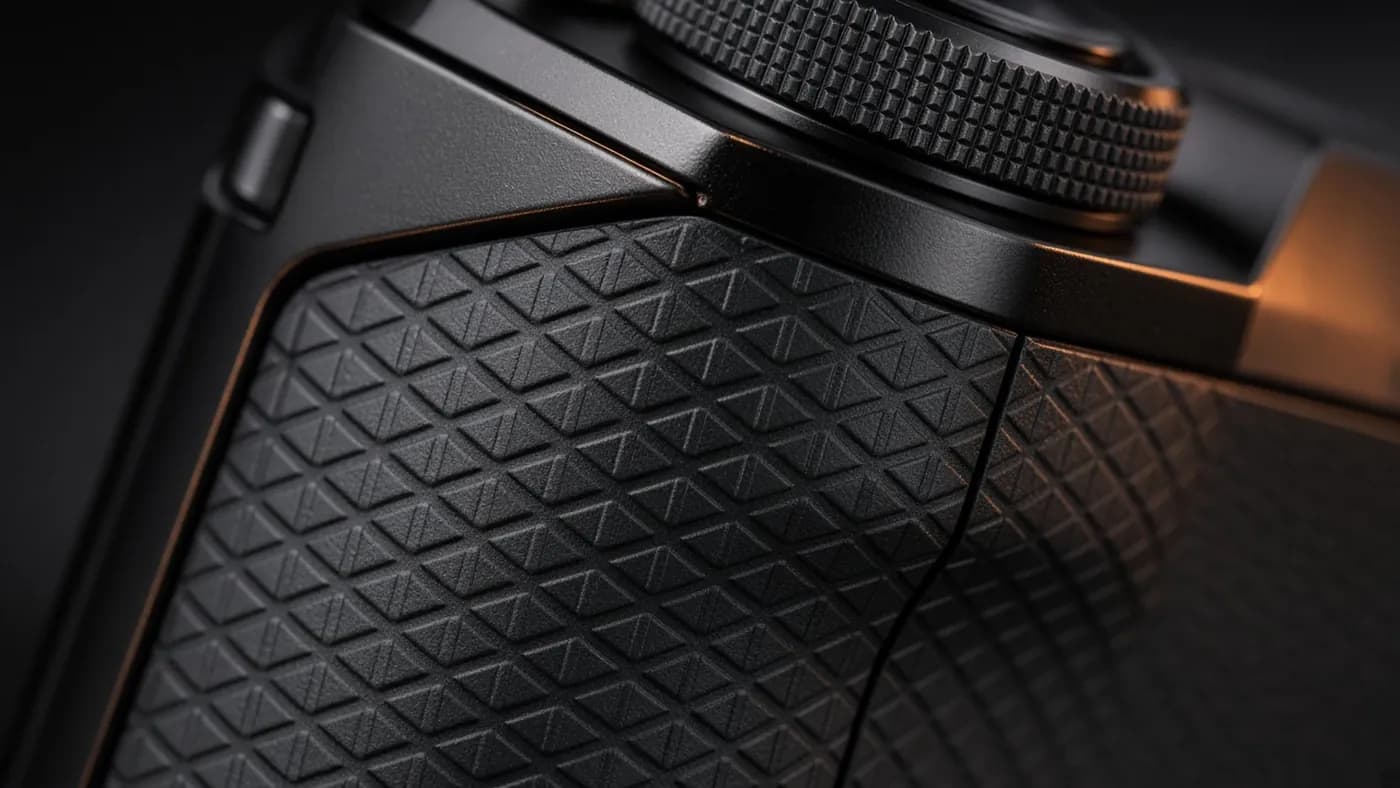
DPReview's first-look coverage found it sharp and understated, with a black-on-black finish and small, well-spaced buttons. The outlet also noted that the geometric pattern on the grip rubber recalls the texture on Canon's pro R1 and R3 bodies.
Size and weight
IBIS adds bulk, but not much. Canon lists the Mark II at 546g with battery and card and 499g body only, up from 461g for the original. It measures 131.4 x 90.0 x 79.7mm, according to Amateur Photographer.
The construction is recognizably plastic, according to DPReview, but it reported no flex or rattle. Fstoppers praised the relatively deep grip, while DPReview noted that larger hands may leave a pinky hanging off the base. Canon's optional EG-E2 extension grip costs $99.99.
The joystick changes everything
The single most important handling change is the new AF joystick, which Canon calls a multi-controller. Amateur Photographer points out that it also frees the four-way pad for four extra programmable functions.
That makes the control layout feel much closer to Canon's enthusiast APS-C EOS R10 than to the pared-back R8. The SD card slot has also moved from the battery compartment to its own door on the side.
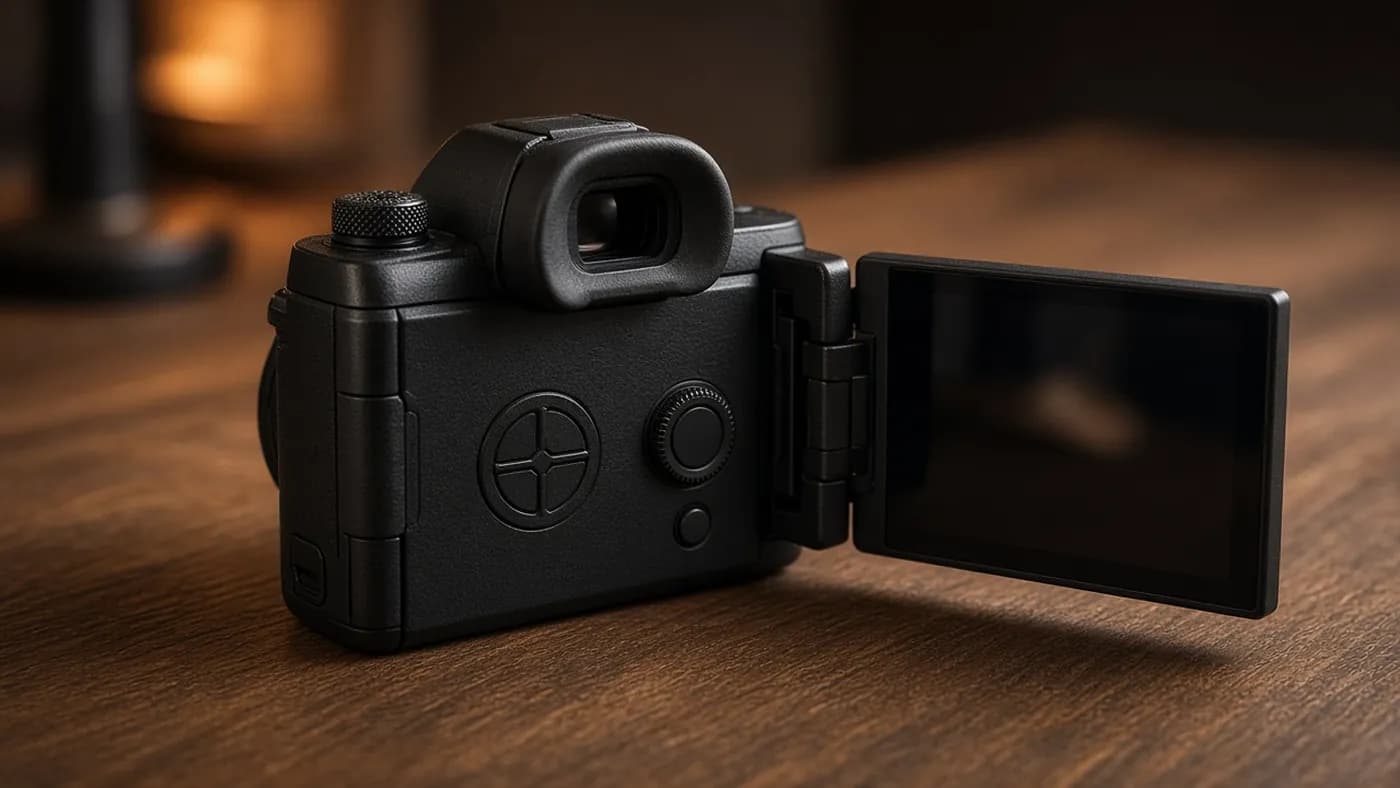
Not everything changed. The 0.39-inch, 2.36-million-dot OLED viewfinder with 0.7x magnification and the 3-inch, 1.62-million-dot vari-angle touchscreen carry over. DPReview also disliked the combined power, stills, and video switch, which it found makes it too easy to jump between modes.
Stabilization
The addition of IBIS is the headline upgrade. Canon rates it at up to 7.5 stops at the center of the frame and 7 stops at the edges when paired with a stabilized lens using Coordinated Control IS.
Real-world gains will vary by lens and technique, as every outlet notes. Still, it transforms what the camera can do with unstabilized primes and in dim interiors, where the original R8 forced you to raise ISO or accept blur.
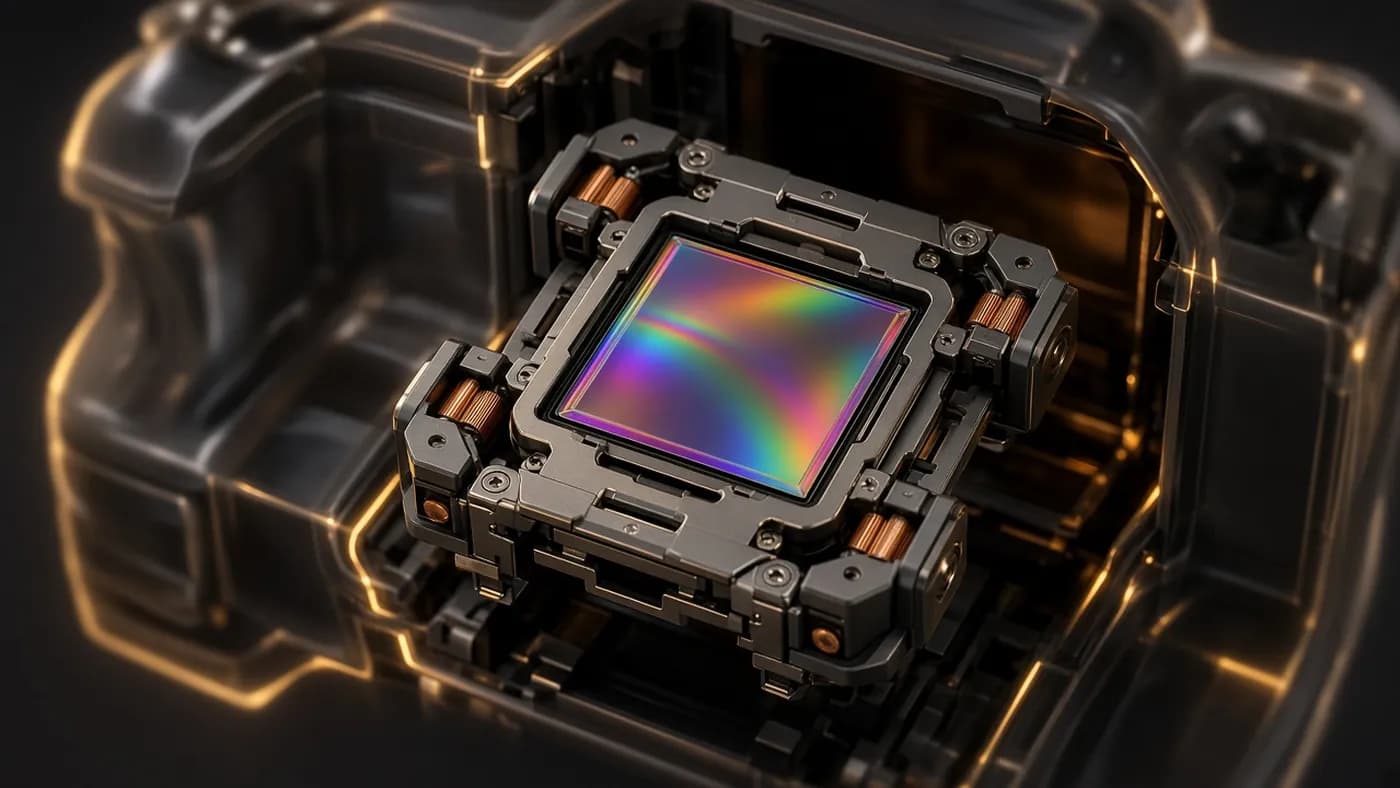
Amateur Photographer called IBIS a much-needed update, noting that the R8 and the older EOS RP were the only mainstream full-frame models without it. The trade is a thicker, heavier body and, as covered below, even shorter battery life.
Image quality
The sensor is the same 24.2MP chip used in the original R8, which itself came from the EOS R6 Mark II. Native ISO runs from 100 to 102,400, expandable to 50 through 204,800.
We see that as a sensible choice at this price. Twenty-four megapixels is plenty for travel, portraits, and events, it keeps file sizes manageable, and this sensor already had a strong reputation for low-light performance.
New creative options include 16 Color Filters, among them a Positive Filmtone look, plus up to four stored color temperatures. DPReview found the filters oddly disconnected from Raw shooting, since you have to turn Raw off manually to use them.
Performance and autofocus
Canon's Dual Pixel CMOS AF II covers up to 4,368 selectable positions and recognizes people, animals, and vehicles. Canon says it has refined the tracking algorithms, and the camera gains Register People Priority, which lets you teach it specific faces to prioritize in a crowd.
Top speed is unchanged at 40fps with the electronic shutter, while electronic first-curtain bursts max out at 6fps. The big change is endurance, with Canon claiming a 30 percent deeper Raw buffer and 58 percent deeper JPEG buffer than the R8.
DPReview measured about 78 frames of Raw plus JPEG and 175 JPEGs in a 40fps burst. Digital Camera World found it could photograph birds without waiting for the camera to catch up.
Simpler pre-capture
Pre-capture now saves up to 20 frames, or half a second at 40fps, in Raw, HEIF, or JPEG. DPReview welcomed that Canon dropped the old Raw Burst format, which bundled frames into a single file you had to extract later.
The electronic shutter reaches 1/16,000 sec. Like any non-stacked sensor, it can still skew very fast subjects, so it pays to switch to electronic first curtain for rapid action.
How to set it up for travel
- Turn on Coordinated Control IS and pair the body with a stabilized RF lens where you can.
- Use the new joystick for AF point selection, then remap the freed-up d-pad buttons to your most used settings.
- Enable pre-capture from the menu for wildlife or kids, and keep the drive on 20fps unless you truly need 40.
- Switch on power-saving mode to stretch the small battery.
- Pack at least one spare LP-E17 or a USB Power Delivery power bank.

Video
The R8 Mark II keeps the original's top-line video specs: uncropped 4K at up to 60p oversampled from 6K, plus Full HD at up to 180p. Recording options include 10-bit 4:2:2, Canon Log 3, and HDR PQ.
DPReview reported that rolling shutter is very well controlled across video modes. Canon also added beginner-friendly tools such as a slow and quick motion mode and video scene presets.
More advanced shooters get fine-grained auto white balance control borrowed from Canon's newer R6 models and a clever automatic defocus effect that racks the lens to its closest distance at a set speed. There is still only a micro HDMI port and a single card slot.
Battery and charging
This is the one area Canon did not fix. The R8 Mark II uses the same 7.5Wh LP-E17 battery as the R8 and RP, and IBIS makes the endurance picture slightly worse.
Canon's CIPA figures, reported by DPReview, are 270 shots using the rear screen and just 150 shots through the viewfinder. Power-saving mode raises those to 340 and 220.
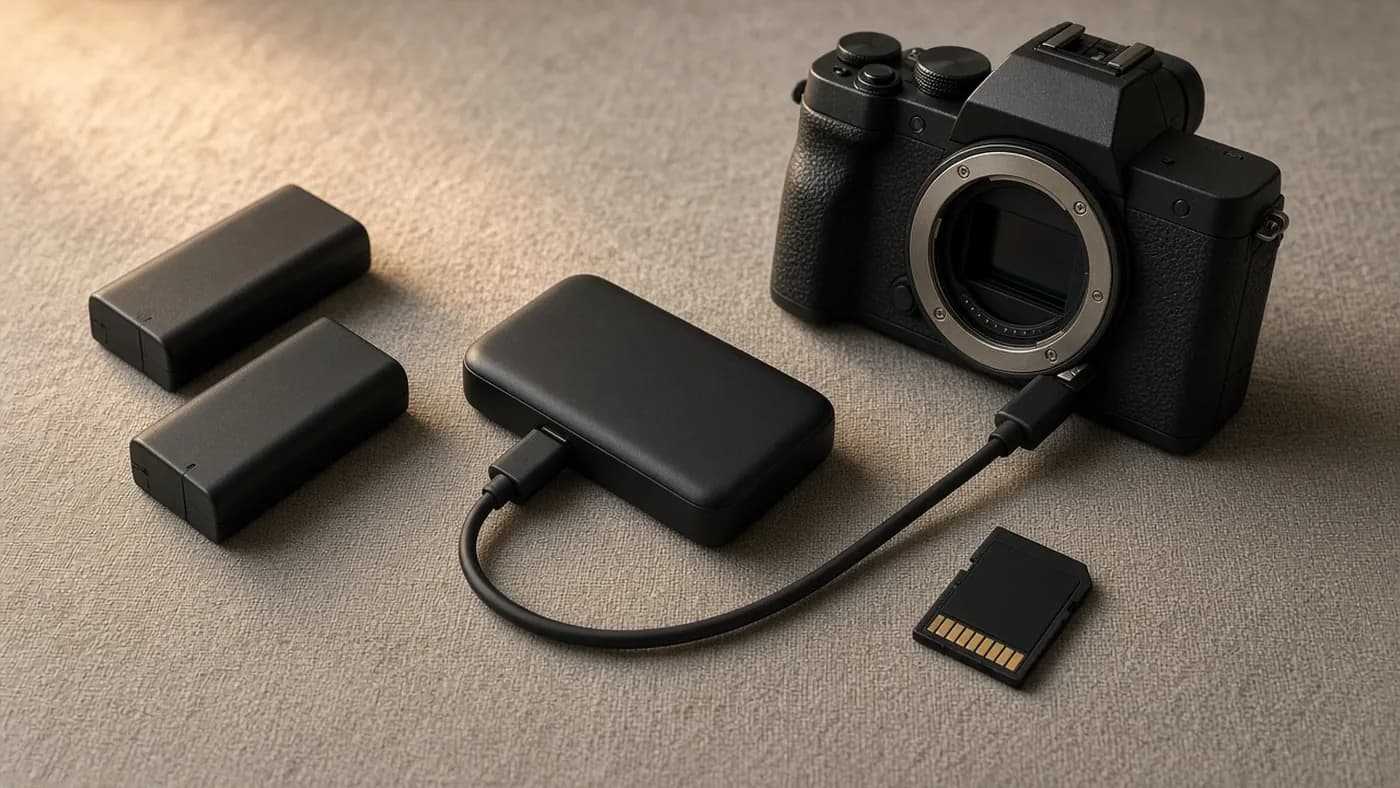
CIPA ratings are conservative. Digital Camera World shot more than 350 frames and still had charge left, and Fstoppers got through a full day of hybrid shooting on one battery. Even so, every outlet recommends a spare battery or USB Power Delivery bank.
Key takeaway: Treat a second LP-E17 as part of the purchase price. With it, the R8 Mark II is an excellent travel camera. Without it, the small battery will shape your day.
How it compares
The R8 Mark II lands in a crowded field. Prices below are US list prices as reported by DPReview.
| Canon EOS R8 Mark II | Nikon Z5II | Sony a7 IV | Canon EOS R8 | |
|---|---|---|---|---|
| Price (body) | $1,899 | $1,850 | $2,499 | $1,499 at launch |
| Resolution | 24.2MP | 24MP | 32.7MP | 24.2MP |
| IBIS rating | 7.5 stops | 7.5 stops | 5.5 stops | None |
| Top burst | 40fps e-shutter | 30fps JPEG e-shutter | 10fps | 40fps e-shutter |
| Viewfinder | 2.36M dots | 3.68M dots | 3.68M dots | 2.36M dots |
| Card slots | 1x SD | 2x SD | 1x CFexpress A/SD, 1x SD | 1x SD |
| Battery (LCD / EVF) | 270 / 150 | 350 / 330 | 580 / 520 | 290 / 150 |
| Weight | 546g | 700g | 659g | 461g |
The Nikon Z5II is the closest rival and, on paper, the more rugged tool, with dual card slots, a better viewfinder, a 14fps mechanical shutter, and more than double the battery life. The Canon counters with a much lighter body, faster electronic bursts, and uncropped 4K at 60p.
The Sony a7 IV offers more resolution and endurance but costs $600 more and is showing its age. Canon says the original R8 will stay on sale for buyers who want the lightest, cheapest route into full frame.
One caveat applies to every Canon RF buyer. DPReview noted that Canon limits third-party autofocus lenses for the RF mount, so check that the lenses you want are available before committing.
Who should buy it
The R8 Mark II is a strong pick for first-time full-frame buyers, travelers, and hybrid creators who want a small body with stabilization and excellent autofocus. It is also a natural upgrade for EOS R8 and RP owners who have been waiting for IBIS.
Wedding and event shooters who need dual card slots or all-day endurance should look at the Z5II or step up to the EOS R6 line.
FAQ
When does the Canon EOS R8 Mark II ship?
Canon expects the camera to ship in late October 2026. US pricing is $1,899 body only or $2,099 with the RF24-50mm F4.5-6.3 IS STM lens.
Does the R8 Mark II use the same sensor as the original R8?
Yes. It uses the same 24.2MP full-frame CMOS sensor and DIGIC X processor. The upgrades center on stabilization, handling, buffer depth, and software features.
How long does the battery last?
Canon rates the LP-E17 at 270 shots with the rear screen and 150 through the viewfinder, or 340 and 220 in power-saving mode. Real-world results are usually better, but a spare is strongly recommended.
Is it better than the Nikon Z5II?
It depends on priorities. The Canon is lighter, bursts faster, and records uncropped 4K at 60p. The Nikon has dual card slots, a sharper viewfinder, and much better battery life for about the same price.
Final Verdict
The Canon EOS R8 Mark II is the camera the original R8 should have been. In-body stabilization, a joystick, a deeper buffer, and a handsome new body turn a capable but compromised camera into one of the most complete entry full-frame options available.
The small battery and single card slot remain real limits, and the price has climbed. If you can live with carrying spares, this is an easy recommendation for anyone stepping up to full frame.
Join the conversation