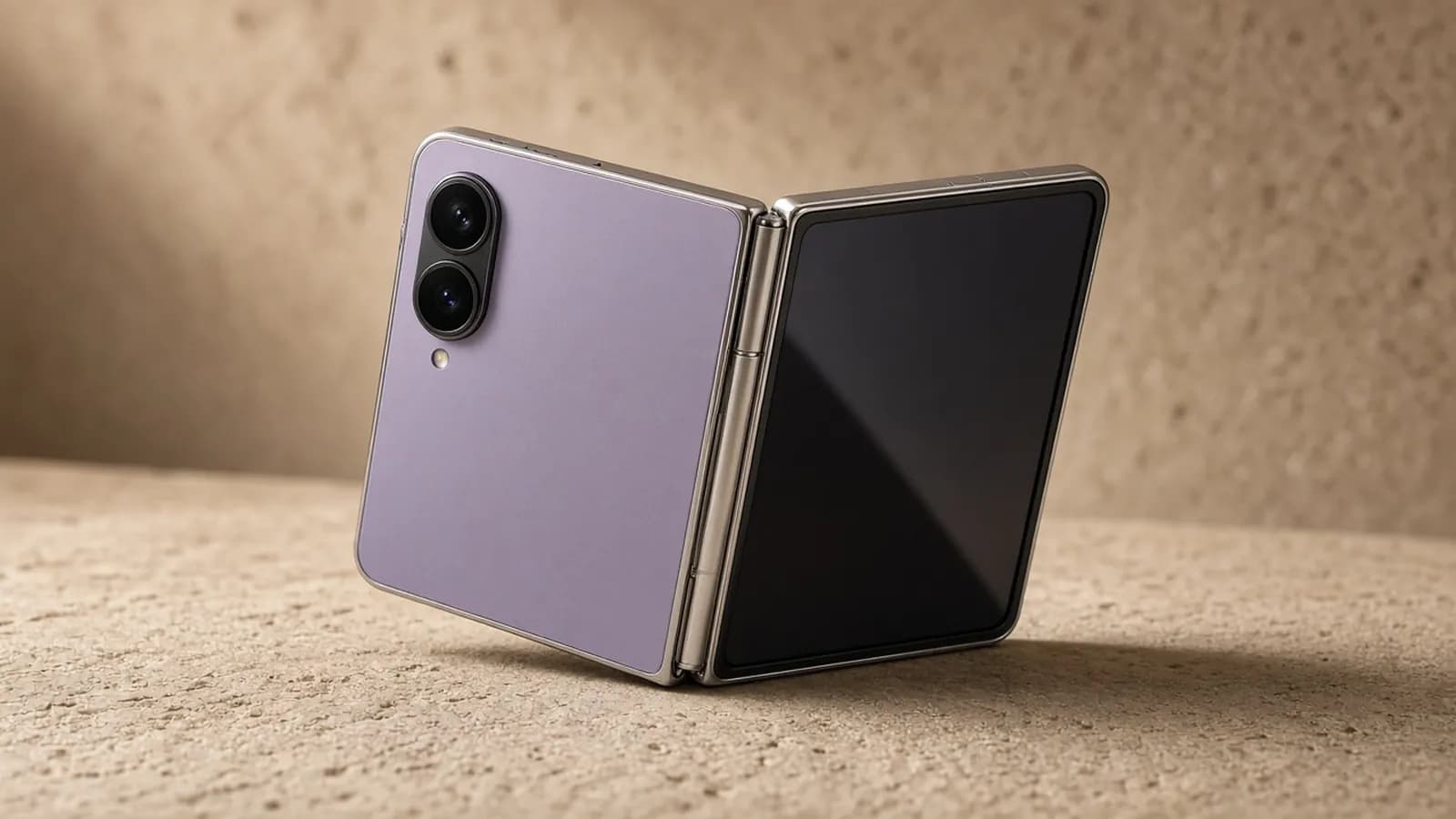
For seven generations, Samsung's book-style foldables have looked like tall, skinny phones that open into squarish tablets. The Galaxy Z Fold 8 breaks that pattern. It is shorter and noticeably wider, with a 5.5-inch cover screen that feels like a normal phone and a 7.6-inch inner display with a 4:3 aspect ratio.
Samsung unveiled it at Galaxy Unpacked in London on July 22, and it went on sale in the US on August 7 starting at $1,899.99. The taller, bigger-screened model now carries the Galaxy Z Fold 8 Ultra name as a sibling above it.
Early reviews have been unusually warm. Tom's Guide called the Fold 8 the best foldable for most people, Android Central labeled it "the Goldilocks foldable," and HardwareZone gave it an Editor's Choice award. After weighing the evidence, we largely agree, with a few important caveats.
Design: the passport shape
Folded, the Fold 8 measures 123.9 by 81.9 by 9.7 millimeters. HardwareZone compared it to a standard travel passport, and Engadget said it feels more like a passport than a phone in the hand, with plenty of room for maps and messages without needing to open it.
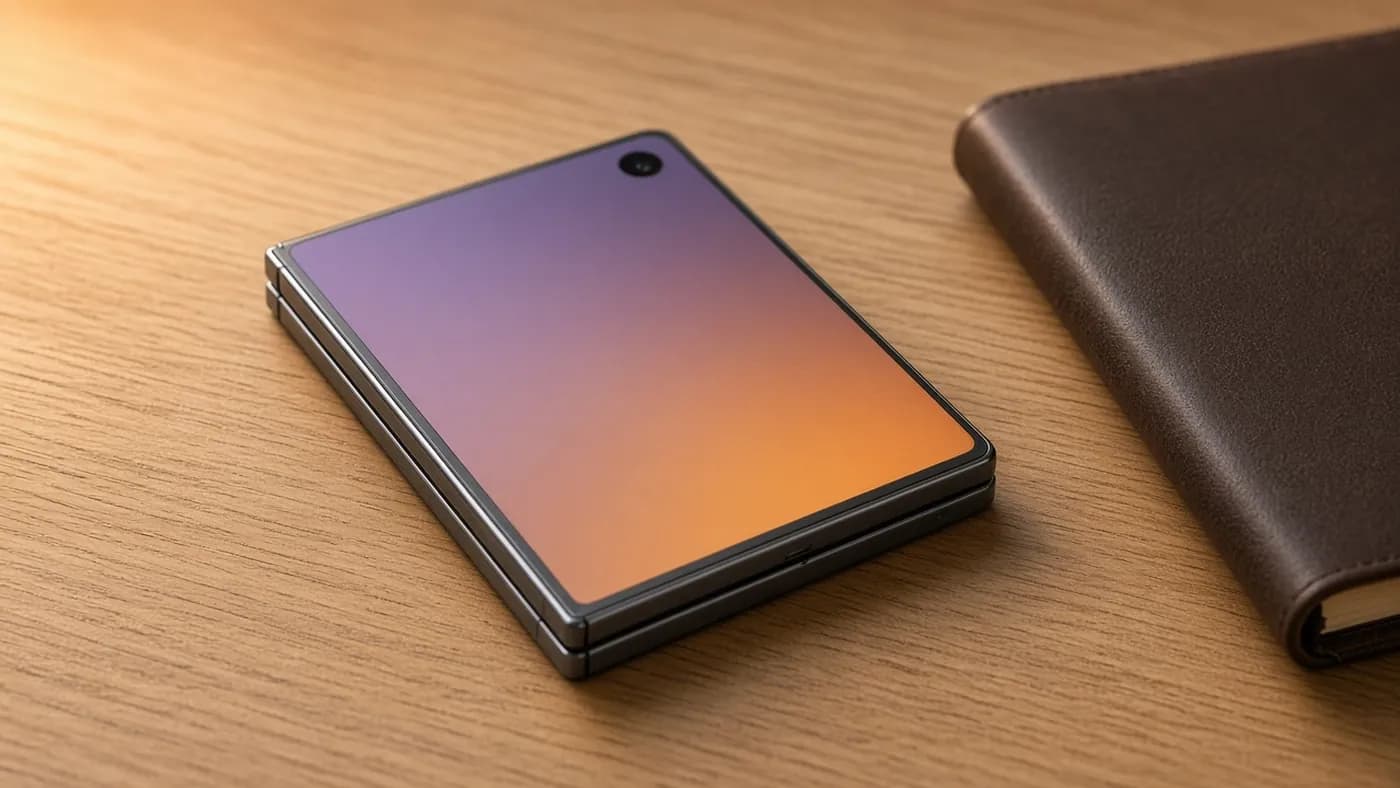
At 201 grams, Samsung says it is the lightest Galaxy Z Fold yet, and it measures just 4.5 millimeters thick when open. The Guardian pointed out that 9.7 millimeters folded is about the same as a regular phone in a case.
The trade-off is width. The Guardian found it hard to reach across the cover screen one-handed, making it a two-handed device much of the time, similar to large phones like the Galaxy S26 Ultra.
Colors are Lavender, Graphite, and Cream, with Pistachio available only through Samsung's online store.
Hinge, crease, and durability
Samsung's new Flex Titanium display structure combines a titanium-alloy film with a titanium plate to support the inner screen and reduce crease visibility. Tom's Guide noted the crease is less noticeable than before, and HardwareZone said you can barely see it when you are engaged with the screen, though it is still obvious to the touch.
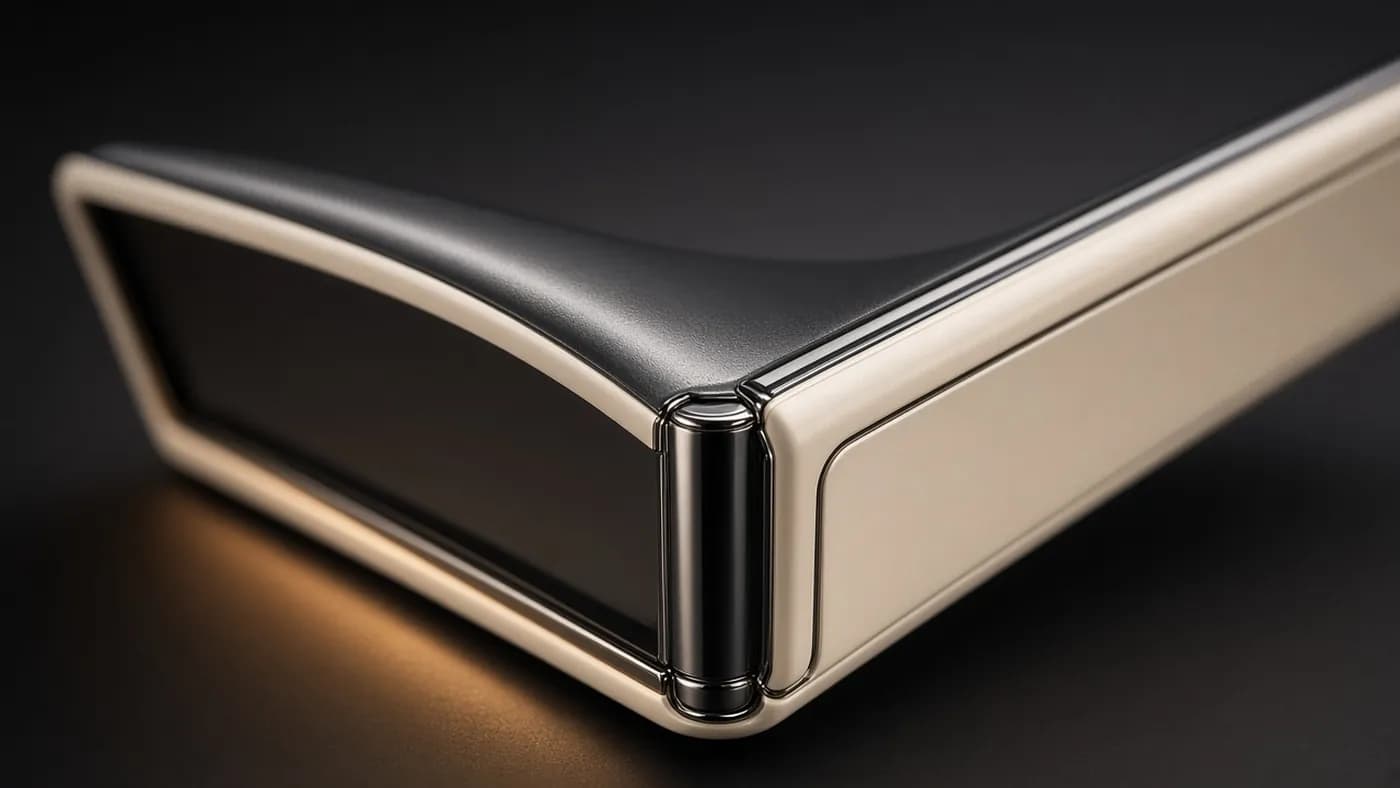
HardwareZone also praised beveled edges that make the phone easier to open. Less welcome: the Fold 8 still wobbles when placed camera-down on a desk.
Durability is the weak spot. The IP48 rating offers water resistance but only limited protection against dust, and both Tom's Guide and HardwareZone flagged it as a disappointment when some rival foldables now carry IP68.
Displays
Samsung chose the two screen shapes around how people consume content, and reviewers say it works.
Cover screen
The 5.5-inch cover display runs at 1248 by 1972 pixels with a 120Hz adaptive refresh rate. Its roughly 10:16 shape is close to a laptop monitor turned sideways. HardwareZone found it keeps keyboard keys comfortably spaced, which cuts down on typos, and it feels much closer to a standard phone than the narrow cover screens on earlier Folds.
Main screen
Open the phone and you get a 7.6-inch, 1848 by 2448 panel with a 4:3 aspect ratio and a 1-120Hz adaptive refresh rate. Samsung rates it at up to 3,000 nits with a low-reflection finish and Vision Booster for sunlight.
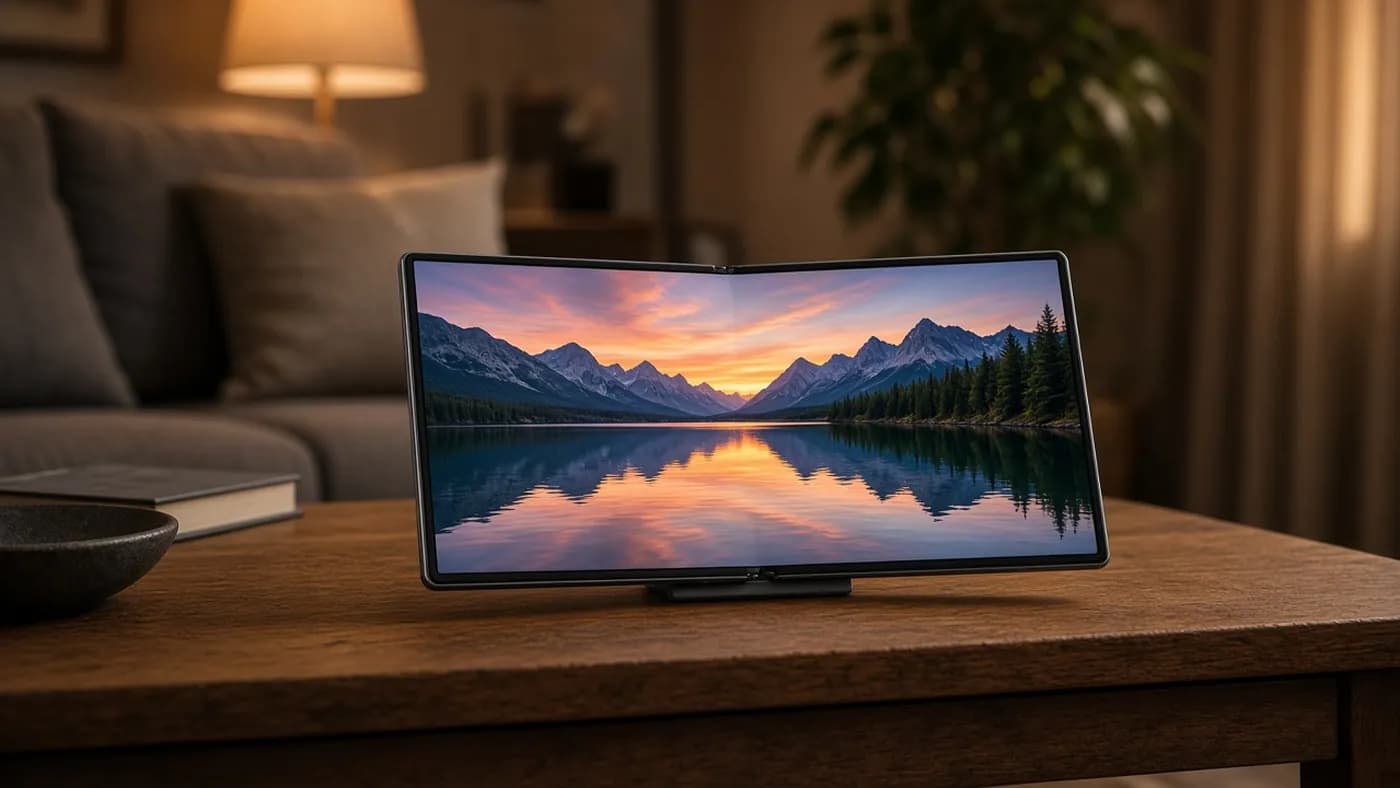
The 4:3 shape matches the default aspect ratio of most phone cameras, so photos fill the screen. E-books, recipes, and long articles also use the full panel. The downside is more visible letterboxing on 16:9 video, which HardwareZone said some users may not mind.
Tom's Guide singled out the anti-reflective coating as a highlight. HardwareZone's main display complaint was the under-screen selfie camera, which is noticeable in full-screen apps.
Key takeaway: the Fold 8's real innovation is proportion, not technology. A usable cover screen and a 4:3 inner display make it easier to live with than any previous Galaxy Z Fold.
Performance
The Fold 8 uses the Snapdragon 8 Elite Gen 5 for Galaxy with 12GB of RAM, or 16GB on the 1TB model. The Guardian noted it has the same chip as the Galaxy S26 Ultra and performs similarly, placing it among the fastest Android phones available.
HardwareZone's PCMark Work 3.1 score of 20,792 was close to the Fold 8 Ultra's 21,322, and it found peak performance tapered with extended use but temperatures stayed under 34 degrees Celsius in an air-conditioned room. Android Central did notice the phone getting warm during gaming sessions, likely because of its compact body.
Cameras
There are two rear cameras: a 50MP main with an f/1.8 aperture, optical stabilization, and 2x optical-quality cropping, plus a 50MP ultrawide with a 120-degree field of view. Both the cover and inner selfie cameras are 10MP. Video tops out at 8K, and Samsung's My FanCam feature automatically tracks and reframes a subject.
The missing piece is a telephoto lens. Engadget called it the reviewer's biggest issue with the phone, and Tom's Guide said the omission is hard to accept on a $1,900 flagship. The Fold 8 Ultra, by contrast, has a 10MP 3x telephoto.
Image quality itself is solid. HardwareZone found no major differences between the Fold 8 and Fold 8 Ultra when using the main and ultrawide cameras, but felt contrast and highlight handling trail the best non-folding flagships.
The folding design does add some useful tricks. You can use the cover screen as a preview so subjects can see themselves before you shoot with the rear cameras, and Samsung's Dual Recording mode captures both sides of a moment while you frame yourself on the cover display. Because the main cameras are much better than the 10MP selfie sensors, this is the best way to take high-quality selfies on the Fold 8.
Battery and charging
The Fold 8 carries a 4,800mAh battery, which HardwareZone identifies as silicon-carbon, compared with 5,000mAh in the Ultra. Test results so far are encouraging:
| Outlet | Test | Result |
|---|---|---|
| Tom's Guide | Web browsing over 5G | 12 hours 19 minutes |
| HardwareZone | PCMark Work battery, main screen | More than 13 hours |
| Engadget | Local video rundown, cover screen | 28 hours 14 minutes |
Tom's Guide's result beats the Galaxy Z Fold 7 by nearly 1.5 hours. The Guardian got roughly 40 hours between charges in mixed use.
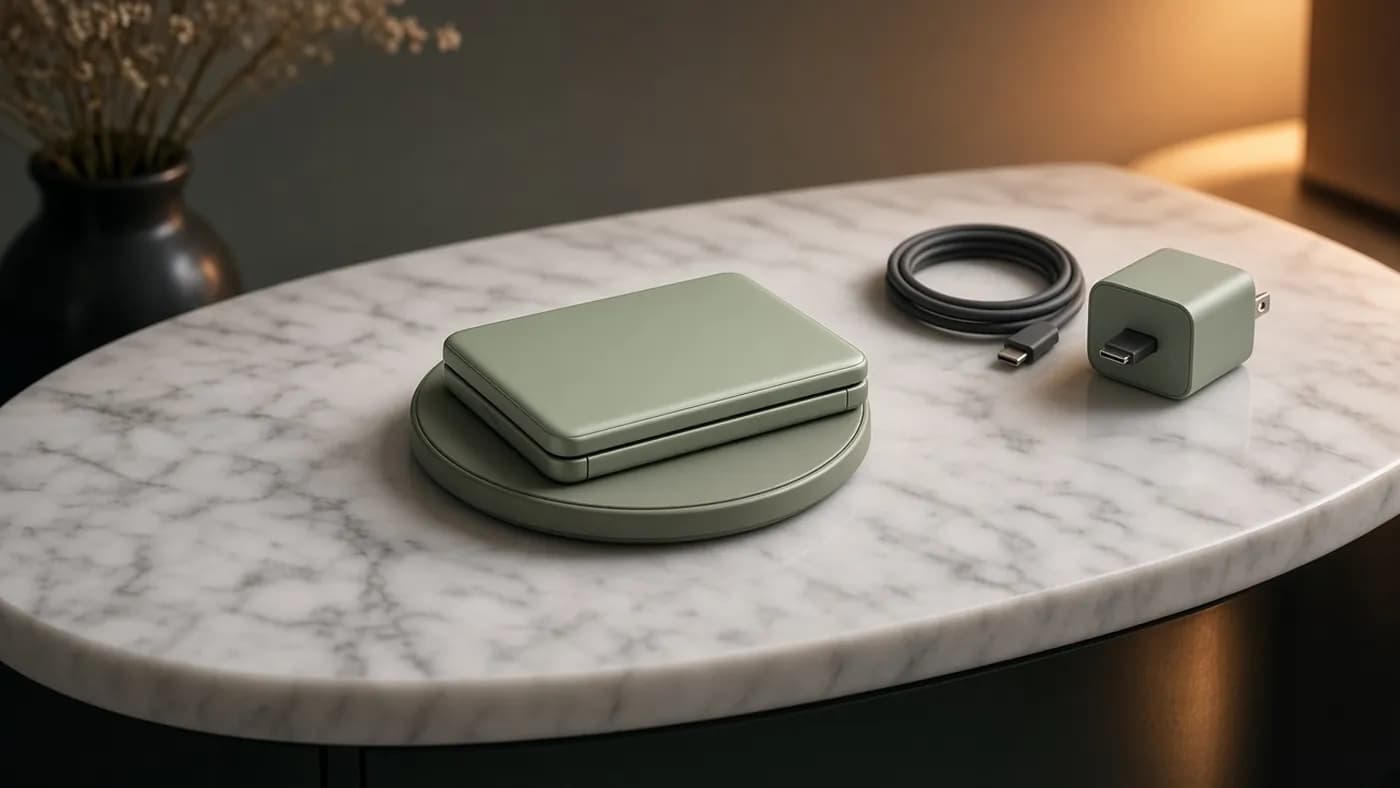
Charging is much improved. Wired speeds now reach 45W, up from 25W last year according to Engadget, and Samsung says a 45W adapter reaches about 63 percent in 30 minutes. HardwareZone measured 50 percent in 25 minutes and a full charge in about 65 minutes. Wireless charging reaches 20W. There is no charger in the box and no built-in magnet ring, so magnetic accessories require a compatible case.
Software and One UI 9
The Fold 8 ships with Android 17 and One UI 9. Quick Share can now send files to Apple devices via AirDrop, which Samsung says is supported on the Fold 8 at launch.
HardwareZone highlighted several practical Galaxy AI additions. Now Nudge surfaces shortcuts to apps like Calendar and Maps while you are messaging about plans, and Now Brief lets you build custom summary cards, though instructions are capped at 150 characters. Bixby can also now change phone settings by voice.
App compatibility is the main friction. Android Central warned that you should be ready to fiddle with aspect ratios and app sizes, and HardwareZone found that some games and video apps, including YouTube's player, can misbehave when switching screens.
Here is what we would set up first on a new Fold 8:
- Turn on "continue apps on cover screen" in Settings, under Display, so apps carry over when you close the phone.
- Check each game's display settings, since many do not resize cleanly between screens.
- Customize your Now Brief cards so the summaries show information you actually use.
- Pick up a case with built-in magnets if you use magnetic chargers or mounts.
How it compares
The Fold 8 sits between Samsung's larger Ultra model and Google's Pixel 10 Pro Fold, which currently offers the strongest durability among these three.
| Galaxy Z Fold 8 | Galaxy Z Fold 8 Ultra | Pixel 10 Pro Fold | |
|---|---|---|---|
| Starting price | $1,899.99 | $2,099.99 | $1,799 |
| Main display | 7.6-inch (4:3) | 8-inch | 8-inch |
| Cover display | 5.5-inch | 6.5-inch | 6.4-inch |
| Weight | 201g | 215g | 258g |
| Battery | 4,800mAh | 5,000mAh | 5,015mAh |
| Telephoto | None | 3x, 10MP | 5x |
| Water resistance | IP48 | IP48 | IP68 |
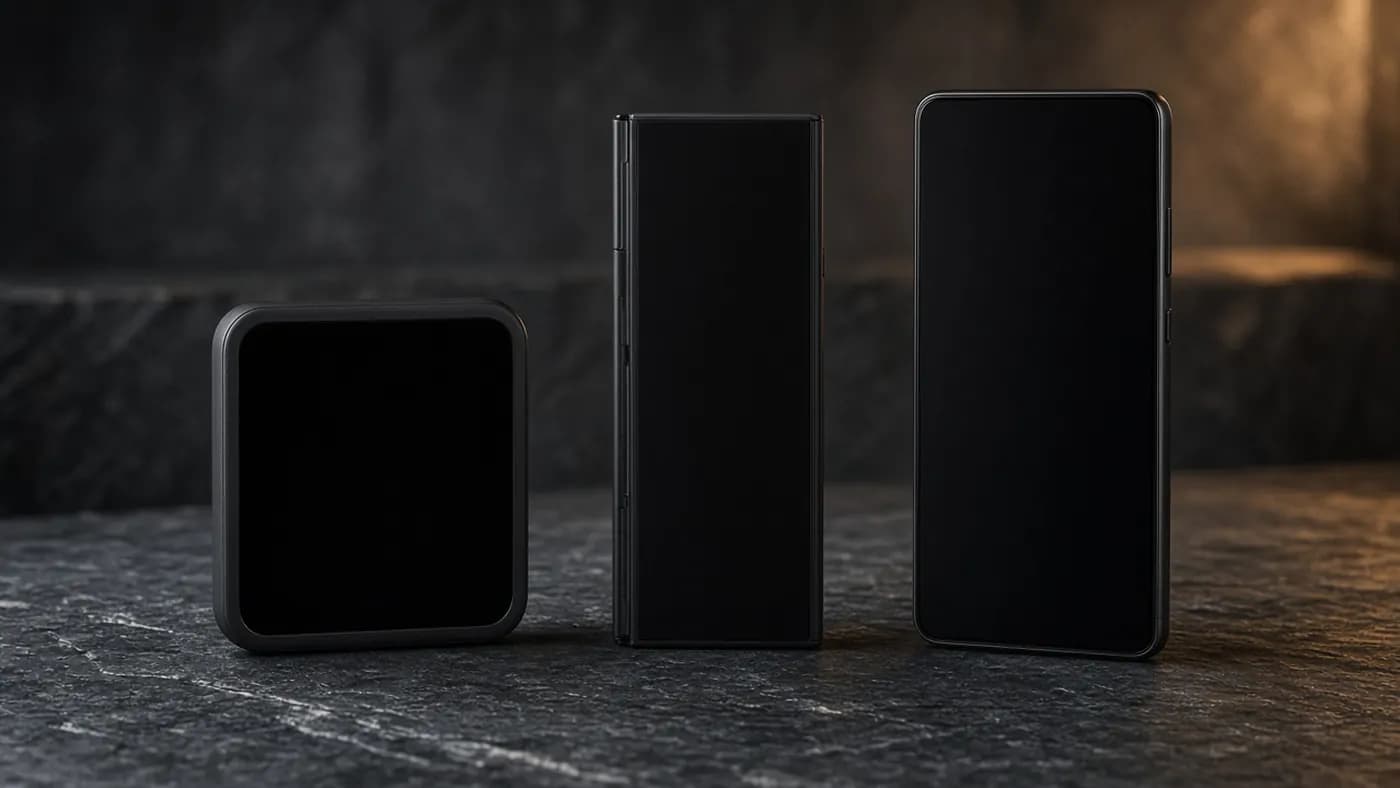
The Fold 8 Ultra is the better choice if you want a 200MP main camera, a zoom lens, and a larger screen for multitasking. The Pixel 10 Pro Fold costs $100 less and has IP68 protection and a telephoto, but it is 57 grams heavier. For most people, the Fold 8's shape and weight are the deciding factors.
Who should buy it
The Fold 8 is ideal for people who want a tablet-sized screen without carrying a tall, heavy foldable, and who spend a lot of time reading, watching video, or viewing photos. It also suits anyone who found earlier Galaxy Z Fold cover screens too cramped.
Skip it if zoom photography matters to you, if you work in dusty or sandy environments, or if you want the largest possible inner display for productivity.
If you are upgrading from a Galaxy Z Fold 7 or older, expect a real change in how you hold and use the phone. The shorter, wider body takes some adjustment, but reviewers who were skeptical of the leaked design, including Android Central, said it won them over quickly once they used it every day.
Key takeaway: at $1,899.99, the Fold 8 is still a luxury purchase, but it is the first Galaxy Z Fold that feels comfortable both closed and open.
FAQ
How much does the Galaxy Z Fold 8 cost?
It starts at $1,899.99 with 256GB of storage and 12GB of RAM. The 512GB model is $2,099.99, and the 1TB model with 16GB of RAM is $2,499.99.
Is the Galaxy Z Fold 8 waterproof?
It is rated IP48, so it resists water immersion but has only limited dust protection. We would keep it away from sand and pockets full of lint.
What is the difference between the Z Fold 8 and Z Fold 8 Ultra?
The Ultra is taller, with an 8-inch main screen and 6.5-inch cover screen, a 200MP main camera, a 3x telephoto, and a 5,000mAh battery. It starts at $2,099.99. The Fold 8 is shorter, wider, and lighter at 201 grams versus 215 grams.
Does the Galaxy Z Fold 8 support fast charging?
Yes. It supports 45W wired charging and 20W wireless charging, though you need to buy a compatible adapter separately.
Final Verdict
The Galaxy Z Fold 8 proves that a foldable's shape matters as much as its specs. Its passport-like body, practical cover screen, and 4:3 inner display make it more pleasant to use than previous Folds, and flagship performance plus better battery life and charging round out a strong package.
The missing telephoto, IP48 rating, and high price keep it from perfection. Even so, for most people shopping for a book-style foldable right now, this is the one we would choose.
Join the conversation