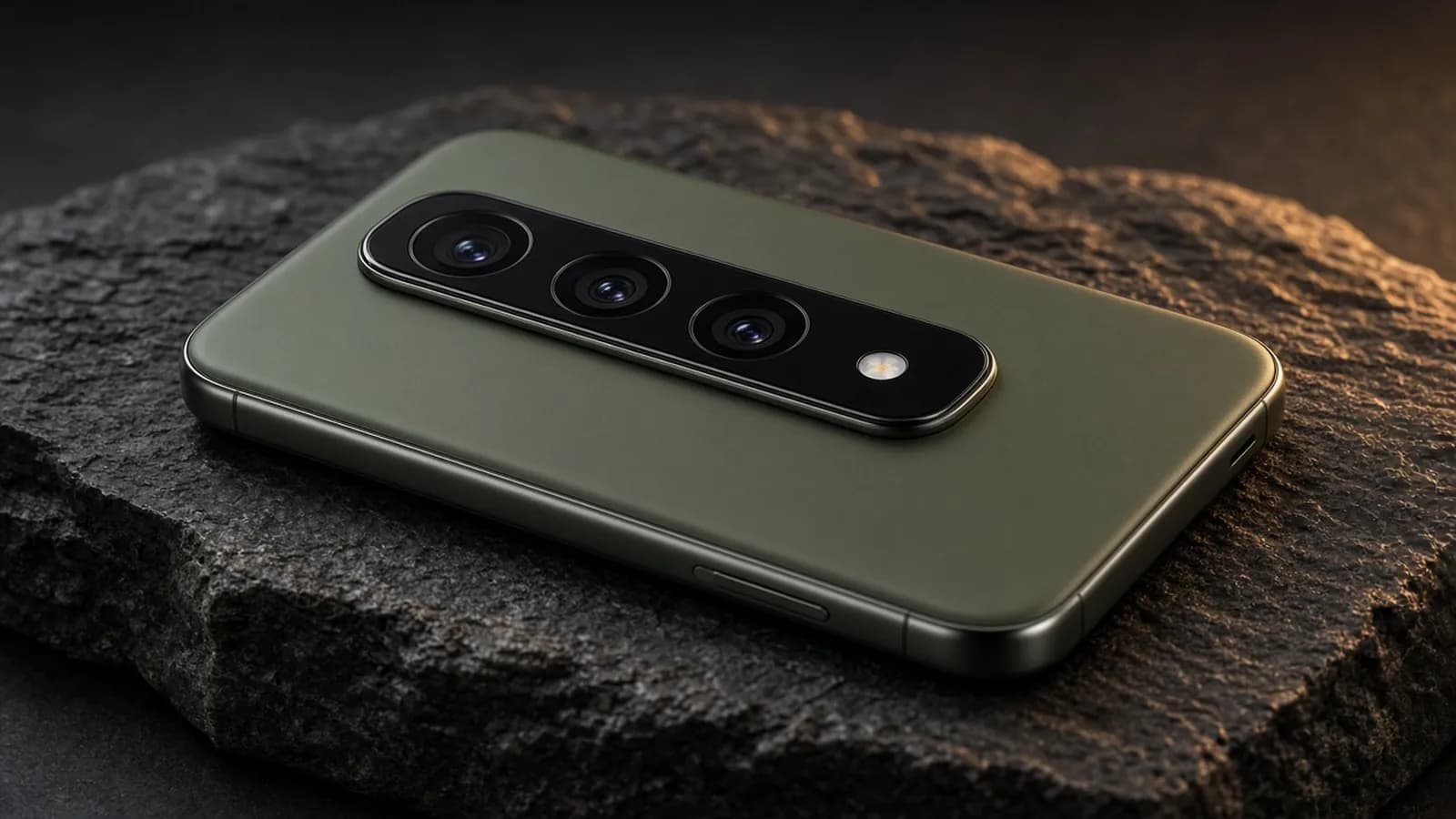
Google announced the Pixel 11 Pro on August 12, alongside the Pixel 11, Pixel 11 Pro XL, and Pixel 11 Pro Fold. It went on sale on August 20 starting at $1,099 with 256GB of storage.
From the outside, it looks almost identical to last year's model. The changes are underneath: a new Tensor G6 chip, a new main camera sensor, a larger telephoto sensor, a new MediaTek modem, and a batch of Gemini-powered software features.
Early reviews are positive but measured. CNET called it one of its favorite Android phones while stressing that it is not a revolution, The Verge said it is a great phone "no thanks to its flashiest new features," and Wired scored it 7 out of 10. We think that range is fair, and here is why.
Design and build
The Pixel 11 Pro keeps the flat-sided aluminum frame and full-width camera bar that Google introduced with the Pixel 9. It measures 152.7 by 71.9 by 8.4 millimeters, weighs 204 grams, and carries an IP68 rating. Colors are Canyon, Olive, Fog, and Obsidian, with Obsidian the only fully matte option.
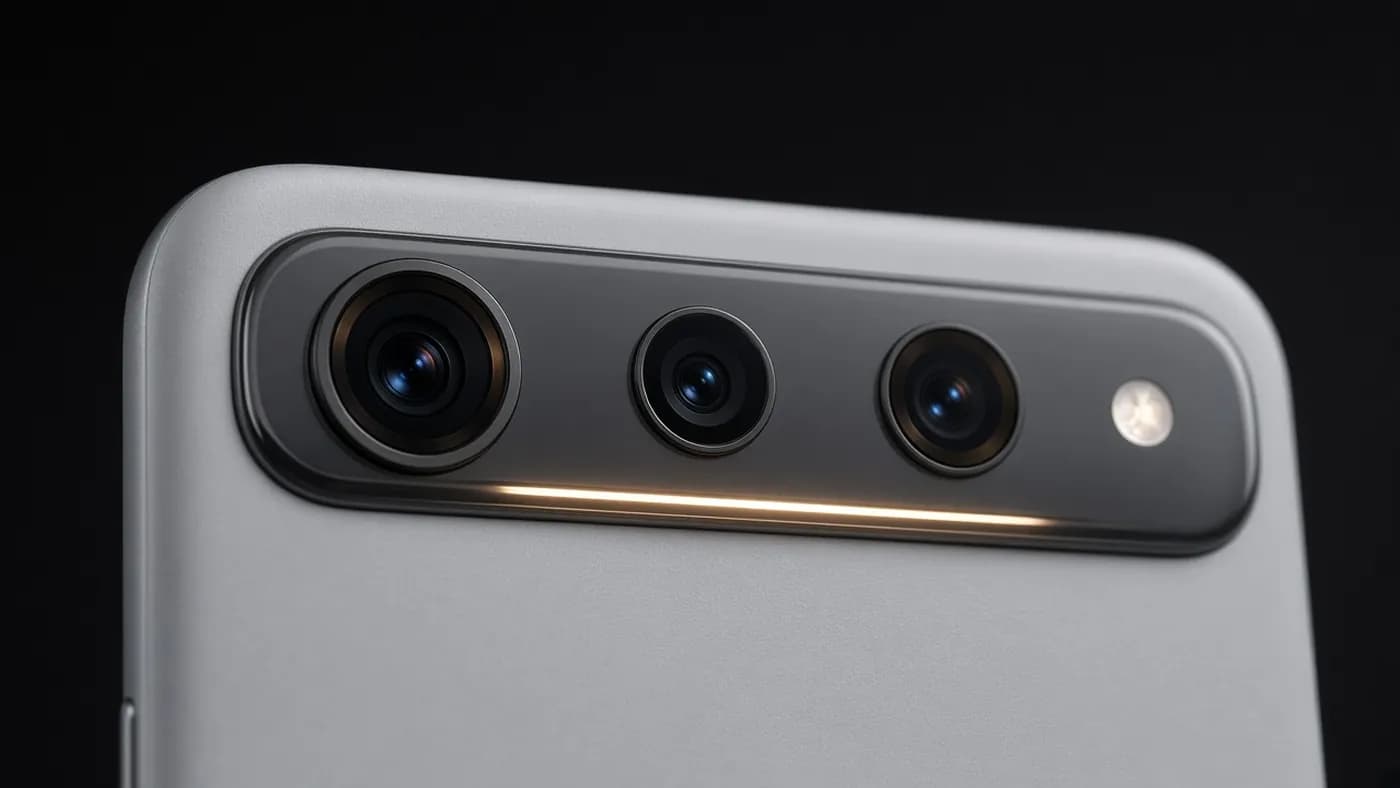
Android Headlines praised the camera bar for keeping the phone from wobbling on a table and for making room for Pixelsnap magnets. The bar is now entirely glass because it houses HiLight, a new rear notification light exclusive to the Pro models.
HiLight is limited so far. According to Android Headlines, it shows when Gemini is listening and can flash one of five colors for favorite contacts' calls, and Google has no plans to open it to third-party apps.
In the US, the Pixel 11 Pro is eSIM-only.
Display
The 6.3-inch Super Actua LTPO OLED runs at 1280 by 2856 pixels with a 1-120Hz refresh rate. Google rates it at 2,400 nits in HDR and 3,600 nits peak, up from last year, and protects it with Gorilla Glass Victus 2 plus a new anti-scratch layer.
Android Headlines found it easy to read outdoors in direct sunlight. Its main complaint was the 540Hz PWM dimming rate, which is low compared with some rivals and may bother people sensitive to screen flicker.
Performance: Tensor G6
The Tensor G6 is built on TSMC's 3-nanometer process and moves to Arm's newer C-series CPU cores, while dropping one core compared with the Tensor G5. Google claims 25 percent faster web browsing, 15 percent faster app launches, 50 percent more TPU compute, and on-device AI tasks up to 3.5 times faster.
Benchmarks back up a real improvement. Android Headlines measured gains of about 17 percent in single-core and 21 percent in multi-core Geekbench 7 scores over the Pixel 10 Pro, and roughly 55 percent in GPU performance. Its AnTuTu score of 1,992,456 was 60 percent higher than the Pixel 10 Pro's, but still about half of the Galaxy S26 Ultra's 3,824,993.
The more important change is how the phone feels. GSMArena reported that the stutters it saw throughout the Pixel 10's interface were gone, and Android Headlines said it had no lag at all. The Pixel 11 Pro also runs cooler: in Android Headlines' 3DMark stress test, it peaked at 102.2 degrees Fahrenheit versus 113.9 degrees on the Pixel 10 Pro.
Android Headlines suspects some of that comes from more aggressive throttling, since its stress-test loop scores were lower than last year's. The new MediaTek modem also delivered about 10 percent faster speeds than the Pixel 10 Pro XL in its side-by-side testing.
Gaming is still the weak spot
Tensor G6 uses a PowerVR GPU, and demanding games expose it. Wired found Zenless Zone Zero struggled to run smoothly, and Genshin Impact showed an unplayable purple screen. Google told Wired it is working with the game's developer on a fix.
Casual games run fine. But if mobile gaming is a priority, a Snapdragon-powered Android phone or an iPhone is the better choice.
Cameras
The rear cameras include a new 50MP main sensor with an f/1.68 aperture, a 48MP ultrawide, and a 48MP 5x telephoto. Google says the telephoto's larger sensor has 30 percent better light sensitivity, and Portrait Mode now works at 5x. The selfie camera is 42MP.
Instant Night Sight and 120x Pro Zoom
Google says Night Sight now captures up to 4.5 times faster on the Pro models thanks to Tensor G6's new image signal processor. Android Headlines described it as almost instant and said the light smears seen on earlier Pixels in night shots are gone.
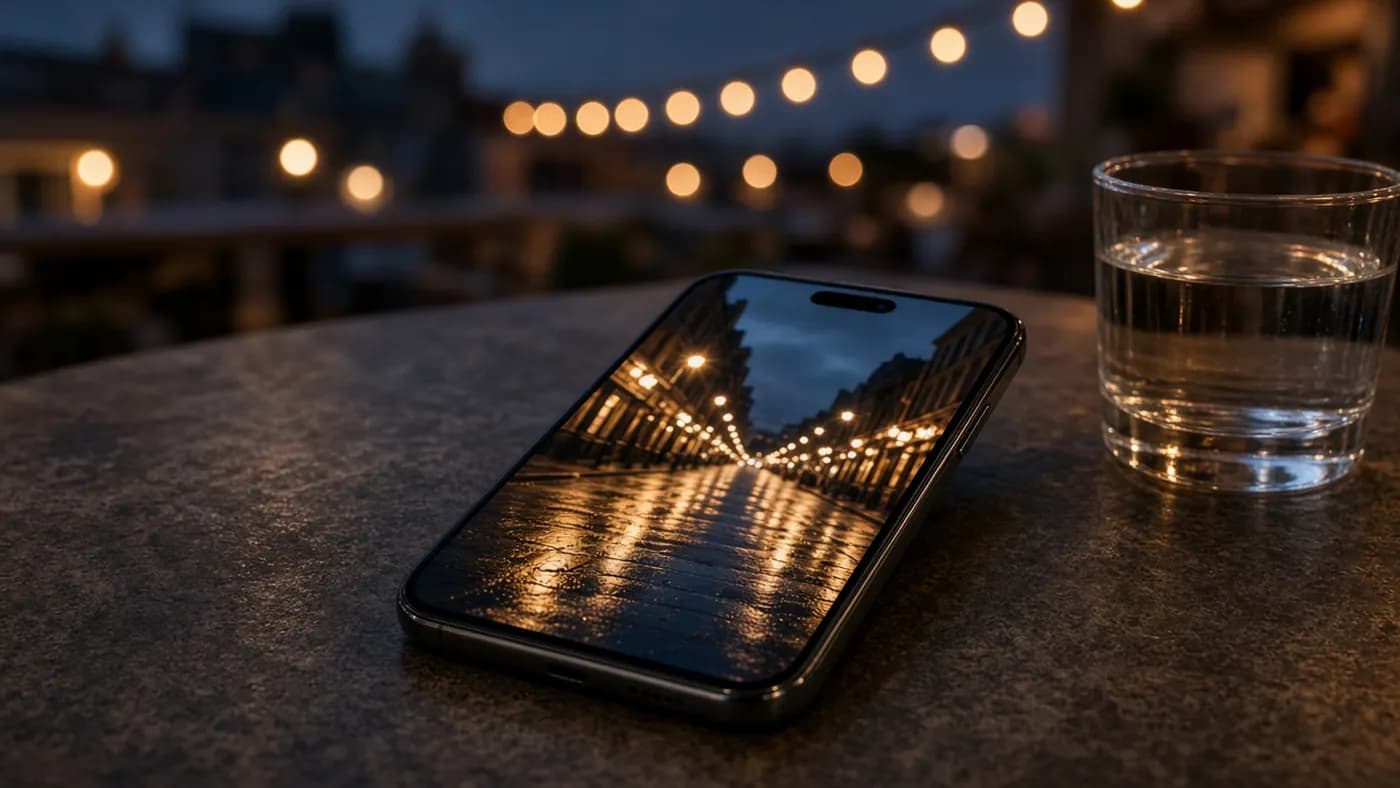
Pro Zoom now reaches 120x, using generative AI to rebuild detail. The Verge found it does a good job on subjects without many sharp edges, and Google saves both the enhanced and original versions. Android Headlines warned that it still invents details in text, so do not rely on it for signs or documents.
Magic Capture and Camera Looks
Magic Capture is a new camera mode that records video and captures photos at the same time, then uses AI to pull out the best moments. Android Headlines reports it saves 12MP stills from the footage.
Camera Looks lets you choose a default processing style, such as Shadows or the warm Vanilla, which then applies to every shot. The Verge called Rambler, Magic Capture, and Camera Looks legitimately great features.
Key takeaway: the Pixel 11 Pro's camera upgrades are about speed and control more than raw image quality. Instant Night Sight is the change most owners will notice every day.
Battery and charging
The 4,850mAh battery is slightly smaller than the Pixel 10 Pro's, and independent results so far are all over the map:
| Outlet | Test | Result |
|---|---|---|
| Android Headlines | YouTube playback to empty | 23 hours 20 minutes (Pixel 10 Pro: 19 hours 43 minutes) |
| CNET | 4K YouTube at max brightness | 78% remaining after 3 hours |
| Wired | Heavy real-world use | About 4 hours of screen time before 20% |
Android Headlines found it outlasted even last year's larger Pixel 10 Pro XL in daily use, though some days still needed a top-up before bed. CNET called its drain results among the worst it has seen this year, while noting its tests are more demanding than typical use.
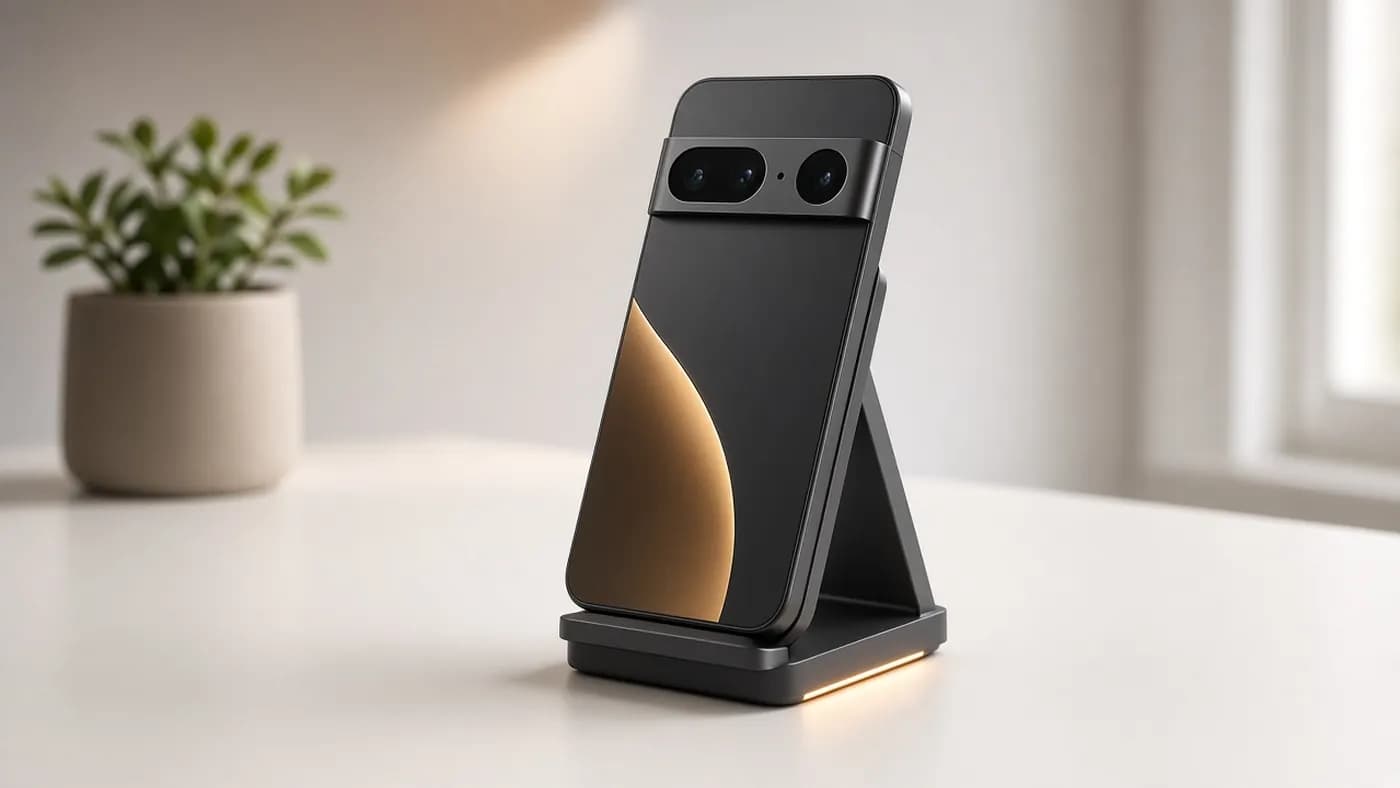
Wired charging is 30W, which Google says reaches up to 55 percent in about 30 minutes. Android Headlines measured a full charge in 1 hour 18 minutes. Wireless charging gets a boost to 25W through Qi2.2, and Wired notes the Pixel 11 series remains the only major Android lineup with built-in Qi2 magnets.
Software and Gemini
The Pixel 11 Pro ships with Android 17 and gets seven years of OS updates. The big software push is Gemini Intelligence, which can handle multi-step tasks such as building a shopping list and placing a grocery order.
Reviewers are lukewarm on the proactive features. Android Headlines found Gemini Intelligence slow at these tasks, and The Verge said Proactive Assistance saves only a few seconds and taps compared with doing things yourself.
The standout is Rambler, a new voice typing tool that removes filler words and cleans up grammar. The Verge said it now dictates whenever it can, and Wired called it possibly Google's best feature in years. Live Translate can also now dub foreign-language videos into your language, which Android Headlines called a great addition.
How it compares
The Pixel 11 Pro's main competition comes from its larger sibling and other compact and large flagships. Prices are US starting prices.
| Pixel 11 Pro | Pixel 11 Pro XL | iPhone 17 Pro | Galaxy S26 Ultra | |
|---|---|---|---|---|
| Starting price | $1,099 | $1,299 | $1,099 | $1,299.99 |
| Display | 6.3-inch | 6.8-inch | 6.3-inch | 6.9-inch |
| Chip | Tensor G6 | Tensor G6 | A19 Pro | Snapdragon 8 Elite Gen 5 for Galaxy |
| Battery | 4,850mAh | 5,115mAh | Not disclosed by Apple | 5,000mAh |
| Built-in charging magnets | Yes (Pixelsnap) | Yes (Pixelsnap) | Yes (MagSafe) | No |
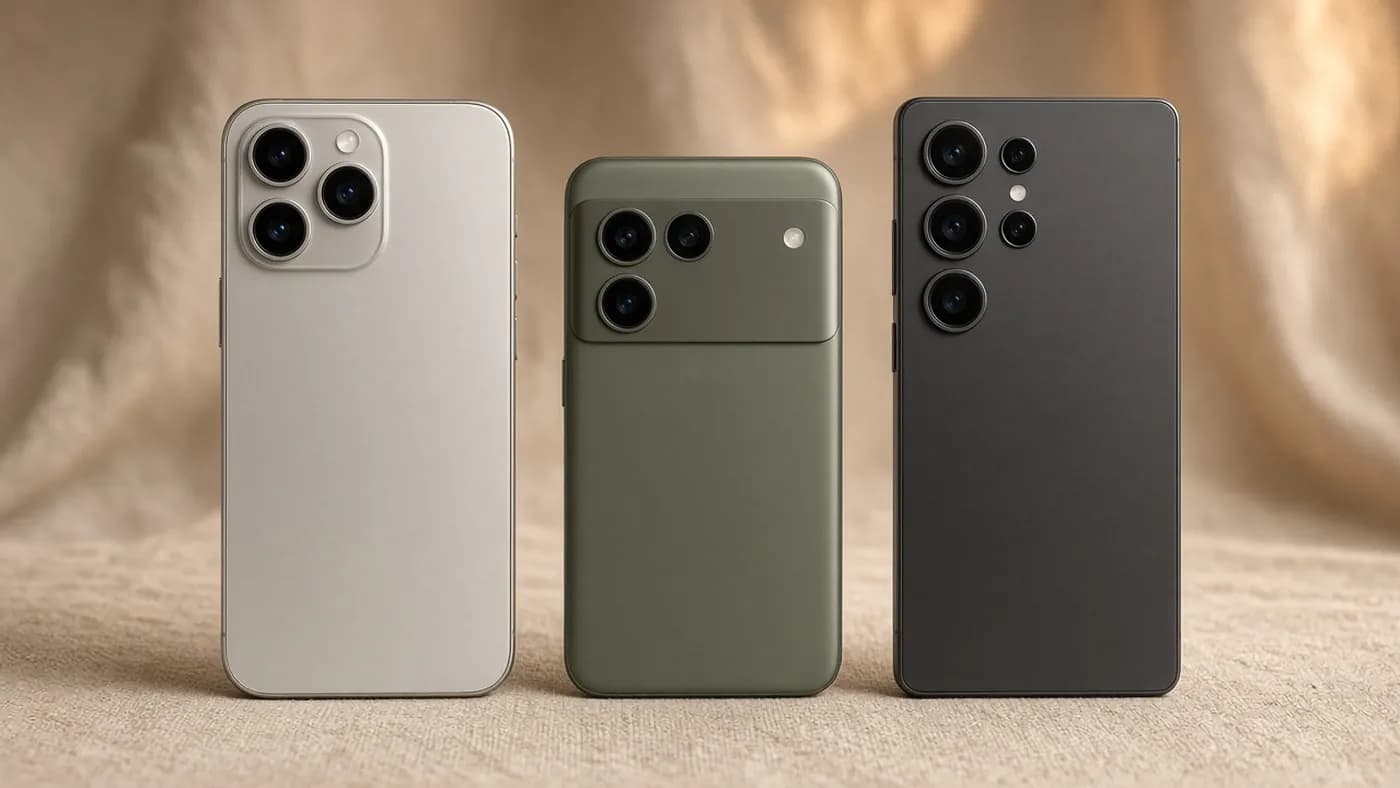
The Pro XL costs $200 more and adds a bigger screen and battery with otherwise identical cameras and chip. The iPhone 17 Pro matches the Pixel's price with far stronger gaming performance, while the Galaxy S26 Ultra offers more power and a larger screen for about $200 more.
Magnets are a quiet Pixel advantage on the Android side. Samsung's flagship needs a compatible case to work with magnetic chargers and mounts, while the Pixel 11 Pro works with Qi2 accessories out of the box, just like an iPhone.
Who should buy it
Android Headlines recommends the Pixel 11 Pro for anyone on a Pixel 9 Pro or older, but not for Pixel 10 Pro owners, who would be paying for a modest update with less RAM. We agree.
Here is a quick buying checklist:
- Choose the Pixel 11 Pro if you want a compact phone with a top-tier camera and the best voice typing available.
- Choose the Pro XL instead if battery life is your biggest concern.
- Look elsewhere if you play demanding 3D games regularly.
- Consider the 512GB model if you want 16GB of RAM, since the 256GB version has 12GB.
- Buy a 30W or faster USB-C charger, since none is included in the box.
Key takeaway: the Pixel 11 Pro is the best small Pixel yet for photography and everyday smarts, but it does not close the performance gap with Apple and Samsung.
FAQ
How much does the Pixel 11 Pro cost?
It starts at $1,099 for 12GB of RAM and 256GB of storage. The 512GB model with 16GB of RAM costs $1,219, and the 1TB model costs $1,449. The Pixel 11 Pro XL starts at $1,299.
What is the difference between the Pixel 11 Pro and Pro XL?
Wired notes the two differ only in screen size and battery. The Pro has a 6.3-inch display and 4,850mAh battery, while the Pro XL has a 6.8-inch screen and 5,115mAh battery and weighs 226 grams.
Can the Pixel 11 Pro play demanding games?
It handles casual titles well, but reviewers found demanding games like Genshin Impact and Zenless Zone Zero struggle on the Tensor G6's GPU. Google says a Genshin Impact fix is coming.
How long will the Pixel 11 Pro get updates?
Google promises seven years of OS updates, continuing the policy it started with the Pixel 8.
Final Verdict
The Pixel 11 Pro fixes several long-standing Pixel complaints, running cooler and smoother than before, and it pairs that with excellent cameras and some of the most useful AI features on any phone. Instant Night Sight and Rambler alone make daily use noticeably better.
It still falls short on gaming, charging speed, and consistent battery life, and it asks the same money as an iPhone 17 Pro. For photographers and Android fans who value software over raw power, it is an easy recommendation. For everyone else, it is a very good phone rather than a clear best choice.
Join the conversation