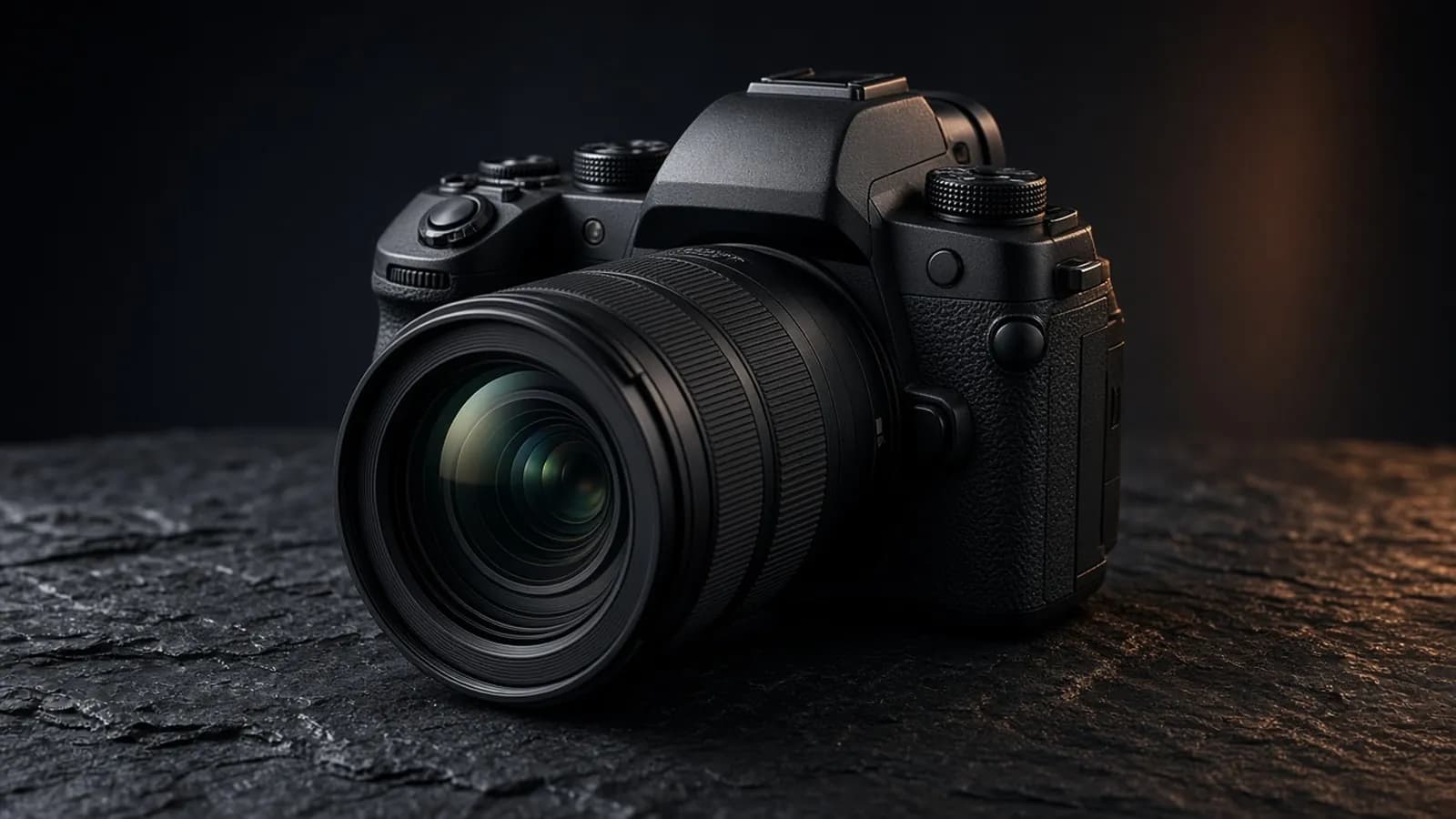
For most of its history, the a7R line has asked photographers to make a trade: take the most pixels in full frame, but accept slow readout, sluggish bursts, and an electronic shutter that bent anything moving. The Sony a7R VI is the first model in the series that largely refuses that deal.
Announced on May 13 and on sale since June at $4,499.99 body only, it pairs a new 66.8MP fully stacked sensor with the BIONZ XR2 processor. Sony says the sensor reads out about 5.6 times faster than the a7R V's, which unlocks 30fps blackout-free bursts, full-width 4K at 120p, and a far more usable silent shutter.
The price climbed too. The a7R VI costs $600 more than the a7R V did at launch, and it arrives into a market where the Canon EOS R5 Mark II and Nikon Z8 already blend resolution with speed. The question is whether Sony's high-resolution specialist can now compete as an all-rounder.
Key takeaway: The a7R VI keeps the a7R line's image-quality crown and adds genuine speed, but it is still a resolution camera first and an action camera second.
Design and build
At a glance the a7R VI looks like a familiar Sony Alpha body, but several changes are hiding in plain sight. The magnesium alloy shell measures 133 x 97 x 83mm and weighs 713g with battery and card, according to DPReview, which is slightly lighter than the a7R V despite the bigger battery.
That battery now runs lengthwise down the grip instead of across it, so Sony reshaped the handhold. DPReview found the new grip more comfortable than the recent a7 V's, though still a step behind the pro-oriented a1 II and a9 III.
Illuminated controls and a better screen
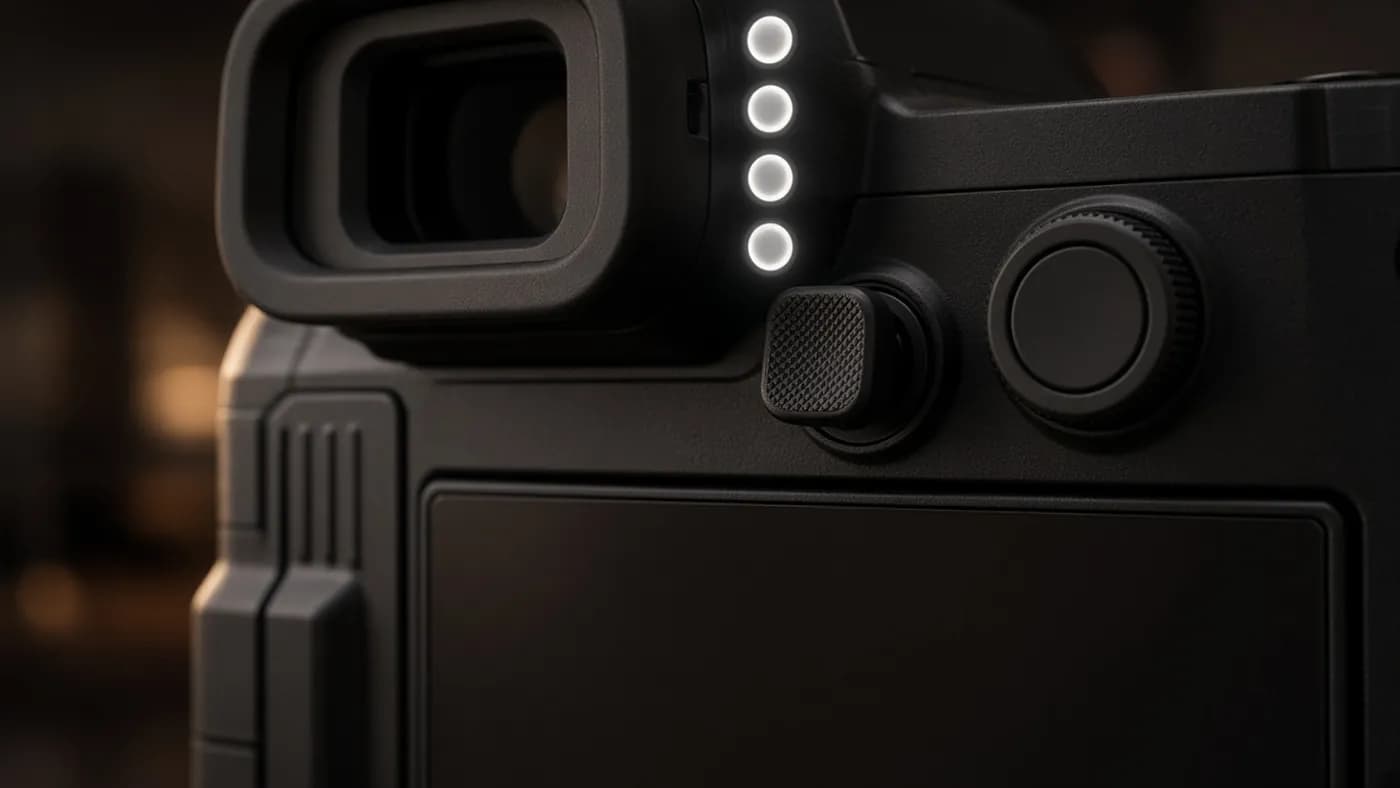
The most charming addition is backlit buttons, a first for Sony. A small top-plate button lights up most of the rear controls at low, mid, or high brightness, which makes a lot of sense on the company's flagship landscape camera, where predawn setups are routine.
The 3.2-inch, 2.1-million-dot rear screen keeps Sony's four-axis design that both tilts and fully articulates. It remains one of the most flexible screen mechanisms on any camera, useful for low tripod work and vertical video alike.
Two USB-C ports
Sony replaced the old Micro-B accessory socket with a second USB-C port. The upper port handles 10Gbps data, while the lower one is a USB 2.0 port that supports Power Delivery for charging or running the camera.
The trade-off is that older accessories built for the Micro-B Multi Interface socket no longer connect. Storage is unchanged, with two slots that each accept CFexpress Type A or UHS-II SD cards.
Image quality
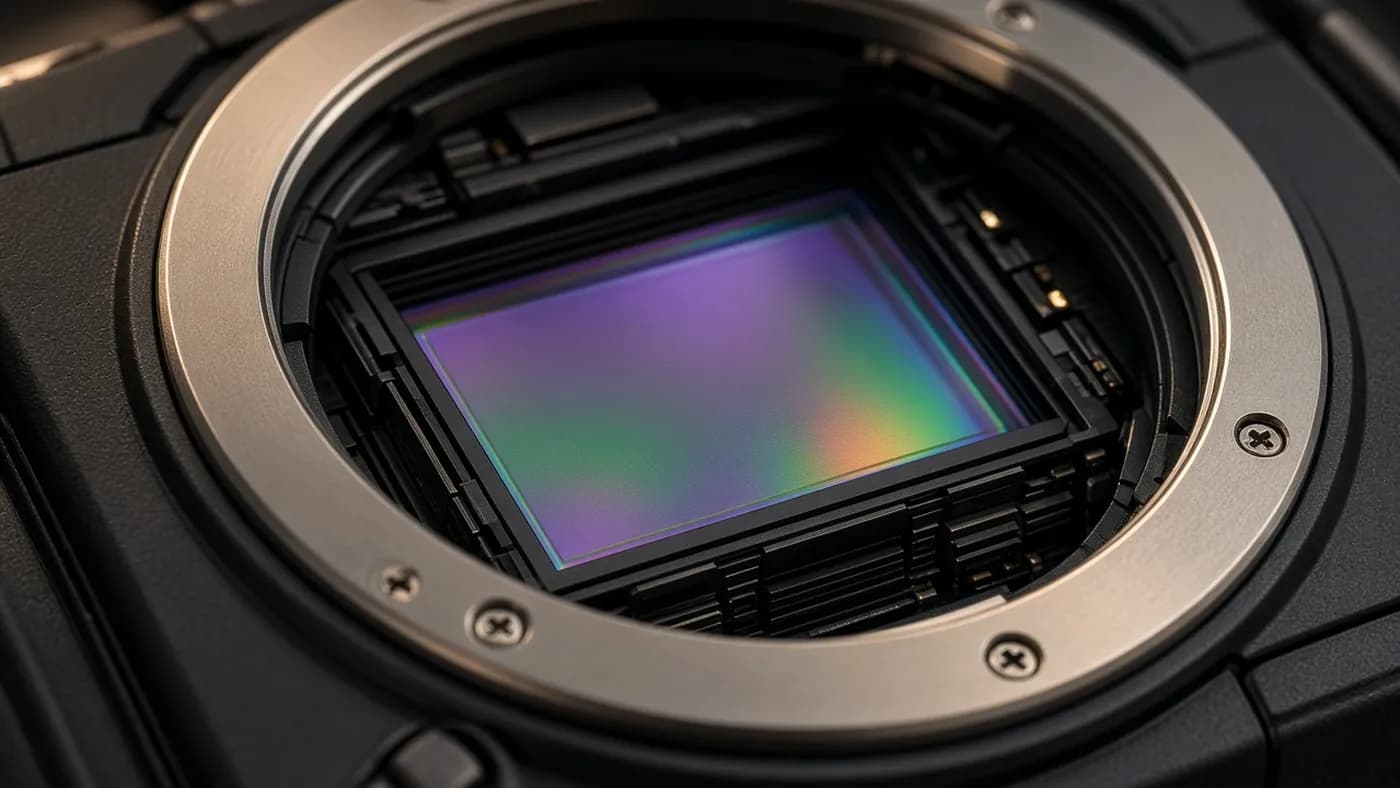
This is where the a7R VI earns its price. The 66.8MP sensor produces files of 9,984 x 6,656 pixels, and Sony claims up to 16 stops of dynamic range at low ISO with the mechanical shutter.
DPReview's lab testing found that the a7R VI captures slightly more detail than its predecessor at base ISO without any noise penalty at mid or high ISOs. Its conclusion was blunt: the camera produces the best image quality of any current full-frame model.
Dual conversion gain, used cleverly
The stacked sensor's second layer is a processing layer rather than DRAM. In mechanical and electronic first-curtain modes, DPReview found the camera reads each pixel in both its high-gain and low-gain modes, then merges the results.
The payoff is one of the most ISO-invariant cameras DPReview has tested. In practice, that means you can underexpose to protect highlights and lift shadows later with almost no noise penalty, which suits landscape shooters working high-contrast sunsets.
In standard electronic shutter mode, DPReview measured dynamic range that closely matches the a7R V's. The outlet noted that the difference only shows in the very deepest shadows.
Color and white balance
Like the a7R V, the new body uses visible-light and infrared sensors to assist auto white balance. Sony says it has improved the underlying deep-learning algorithms to handle shade and mixed indoor lighting more consistently.
Performance and autofocus
On paper, the a7R VI now shoots as fast as the Canon EOS R5 II: 30fps with the electronic shutter, blackout-free, with up to 60 AF and AE calculations per second. The mechanical shutter tops out at 10fps.
An adjustable pre-capture mode buffers up to one second of frames before you fully press the shutter. It can be trimmed to as little as 0.03 seconds, a single frame at 30fps, so you can offset your reaction time without filling cards with junk.

Rolling shutter is the catch
The stacked sensor is fast compared with the old one, but slow compared with its rivals. DPReview measured stills readout at 19.6ms, dropping to 14.0ms in 12-bit lossy Raw mode, versus 6.3ms for the EOS R5 II and 3.7ms for the Z8.
PetaPixel measured about 18ms and reported that rolling shutter still appeared during fast pans with vertical lines in the background. Engadget and Amateur Photographer reached a similar view: much improved over the a7R V's roughly 100ms readout, but not a sports camera.
Key takeaway: For wildlife, events, and weddings, the a7R VI is now fast enough. For golf swings, motorsport pans, or pro sports, the a1 II, Z8, or R5 II remain safer choices.
Subject tracking
Sony's Real-time Recognition AF+ adds skeletal pose estimation for people, and the camera gains an Auto subject mode that picks the subject type for you. DPReview found the system more consistent at landing on eyes rather than eyelashes than the a7R V, and saw animal eye detection keep working in very low light.
One hidden detail matters for action shooters. DPReview found that the camera only maintains its full 60 AF calculations per second at 30fps when you switch to lossy compressed Raw, which drops readout to 12-bit and costs some deep-shadow dynamic range.
Settings we would change first
- Customize the Auto subject recognition mode to include only the subject types you shoot, as DPReview recommends for the best tracking.
- Switch to lossy compressed Raw before shooting fast Hi+ bursts to get the quicker 12-bit readout and full AF rate.
- Put the electronic shutter and continuous drive on a custom setting, since pre-capture only works once both are enabled.
- Set a default USB mode so the camera stops asking what to do each time you plug in a cable.
- Assign button illumination to always-on only if you shoot mostly at night, because it draws extra power.
Viewfinder
The electronic viewfinder keeps the a7R V's 9.44 million dots and 0.9x magnification, but the OLED panel underneath is new. Sony says it covers a DCI-P3-equivalent gamut, supports 10-bit HDR, and reaches roughly three times the peak brightness of conventional models.
DPReview called it the first viewfinder it has seen bright enough to preview HDR imagery. The outlet did note a lag and jerkiness in the finder while pre-capture is buffering, which is worth knowing if you plan to lean on that feature.
Battery and charging
The a7R VI debuts Sony's new NP-SA100 battery. It holds 2,670mAh and 20.9Wh, and Sony rates it for 600 shots through the viewfinder or 710 using the rear screen under CIPA testing.
That is by far the best rating in this class. DPReview's comparison lists 250 viewfinder shots for the EOS R5 II and 330 for the Z8, and Amateur Photographer reported shooting more than 1,100 frames in one day with the battery still showing half its charge.
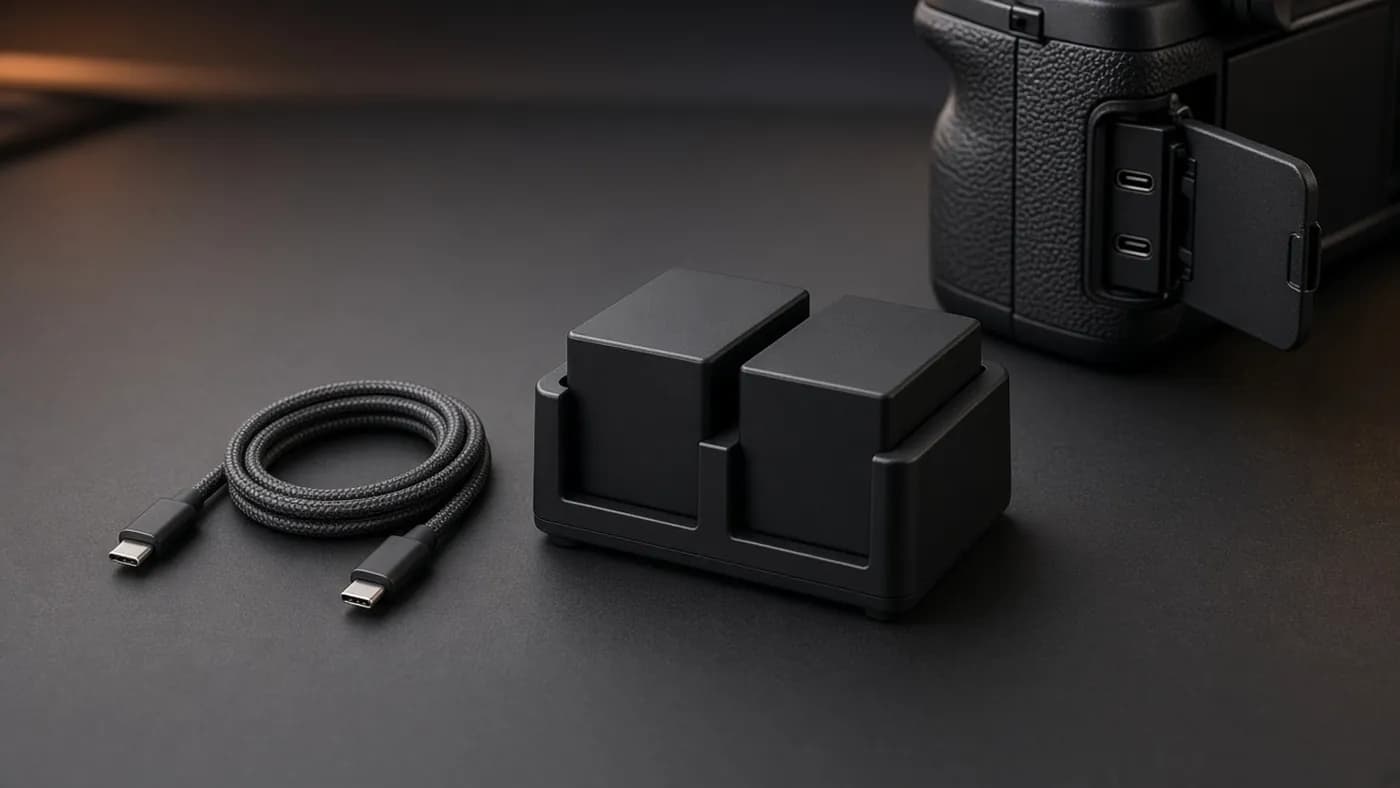
The downside is compatibility. The NP-SA100 does not fit any earlier Alpha body, and older NP-FZ100 packs will not work in the a7R VI. Sony softens the blow by including a dual charger in the box, and spares cost $119.99 each.
For studio tethering, DPReview noted that the charge slowly drains when you offload data over the fast port alone, so plan to connect the Power Delivery port as well.
Video
Video was never the a7R line's strength, but the faster sensor changes the picture. The a7R VI records 8K at up to 30p from an 8.2K region with a 1.2x crop, and full-width 4K at up to 120p when you enable the 4K Field of View Priority setting.
Sony rates it for up to 120 minutes of uninterrupted 8K recording at 25C. A new Dual Gain Shooting mode, a first for Alpha, combines both gain readouts in 4K at 30p and below for cleaner shadows, at the cost of roughly doubling the readout time according to DPReview.
There are limits. DPReview found the 4K footage distinctly softer than rivals' output, there is no internal Raw video, and there is still no waveform display. The optional $779.99 XLR-A4 adapter adds 32-bit float, four-channel audio.
How it compares
The a7R VI now lives in the same conversation as Canon's and Nikon's high-resolution speed bodies. Prices below are current US list prices reported by DPReview.
| Sony a7R VI | Canon EOS R5 II | Nikon Z8 | Sony a7R V | |
|---|---|---|---|---|
| Price (body) | $4,499 | $4,399 | $4,299 | $4,199 |
| Resolution | 66.8MP | 44.8MP | 45.7MP | 61MP |
| Top burst | 30fps e-shutter | 30fps e-shutter | 20fps Raw, 30fps JPEG | 10fps mechanical |
| Stills readout | 19.6ms | 6.3ms | 3.7ms | 100.5ms |
| Viewfinder | 9.44M dots | 5.76M dots | 3.69M dots | 9.44M dots |
| Battery (EVF / LCD) | 600 / 710 | 250 / 540 | 330 / 340 | 440 / 530 |
| Weight | 713g | 746g | 910g | 723g |
The Z8 and R5 II are the better all-rounders for fast action and video, with far quicker readout and internal Raw options. The a7R VI answers with about 50 percent more pixels, better dynamic range, the best viewfinder, and endurance neither rival approaches.
The Panasonic Lumix S1R II is another high-resolution option, and DPReview found its tracking autofocus trails this group.
Who should buy it
Landscape, architecture, studio, and fine-art photographers get the most from the a7R VI. It is also a strong choice for wedding and event shooters who want huge files but also need a silent shutter that holds up with moving people.
Current a7R V owners who shoot mostly static subjects can reasonably skip this generation, as DPReview also suggested. The resolution and dynamic range gains are real but incremental, and the battery switch adds cost.
If sports is your main work, look at the a1 II, Z8, or EOS R5 II instead.
FAQ
Is the Sony a7R VI a replacement for the a1 II?
No. PetaPixel and DPReview both concluded that the a1 II remains the better action camera because its readout of under 4ms nearly eliminates rolling shutter. The a7R VI prioritizes resolution and dynamic range.
Can I use my old Sony batteries in the a7R VI?
No. The camera uses the new NP-SA100, which is physically different from the NP-FZ100 used in earlier Alpha bodies. A dual charger is included, and extra batteries cost $119.99.
Does the a7R VI shoot 8K video without a crop?
Not quite. 8K at up to 30p uses a 1.2x crop, according to DPReview. 4K at up to 120p can use the full sensor width once you enable Field of View Priority.
What memory cards does it use?
It has two identical slots that each take either CFexpress Type A or UHS-II SD cards. Given 66.8MP Raw files and 30fps bursts, CFexpress Type A is the better choice for action.
Final Verdict
The Sony a7R VI is the best high-resolution full-frame camera you can buy today. It pairs class-leading detail and dynamic range with a viewfinder, battery, and burst rate that make it far more versatile than any previous a7R.
It is not flawless. Rolling shutter trails its stacked rivals, peak speed requires lossy Raw, and Sony's menus still feel unfinished. If image quality is your top priority and speed comes second, though, this is the camera to buy.
Join the conversation