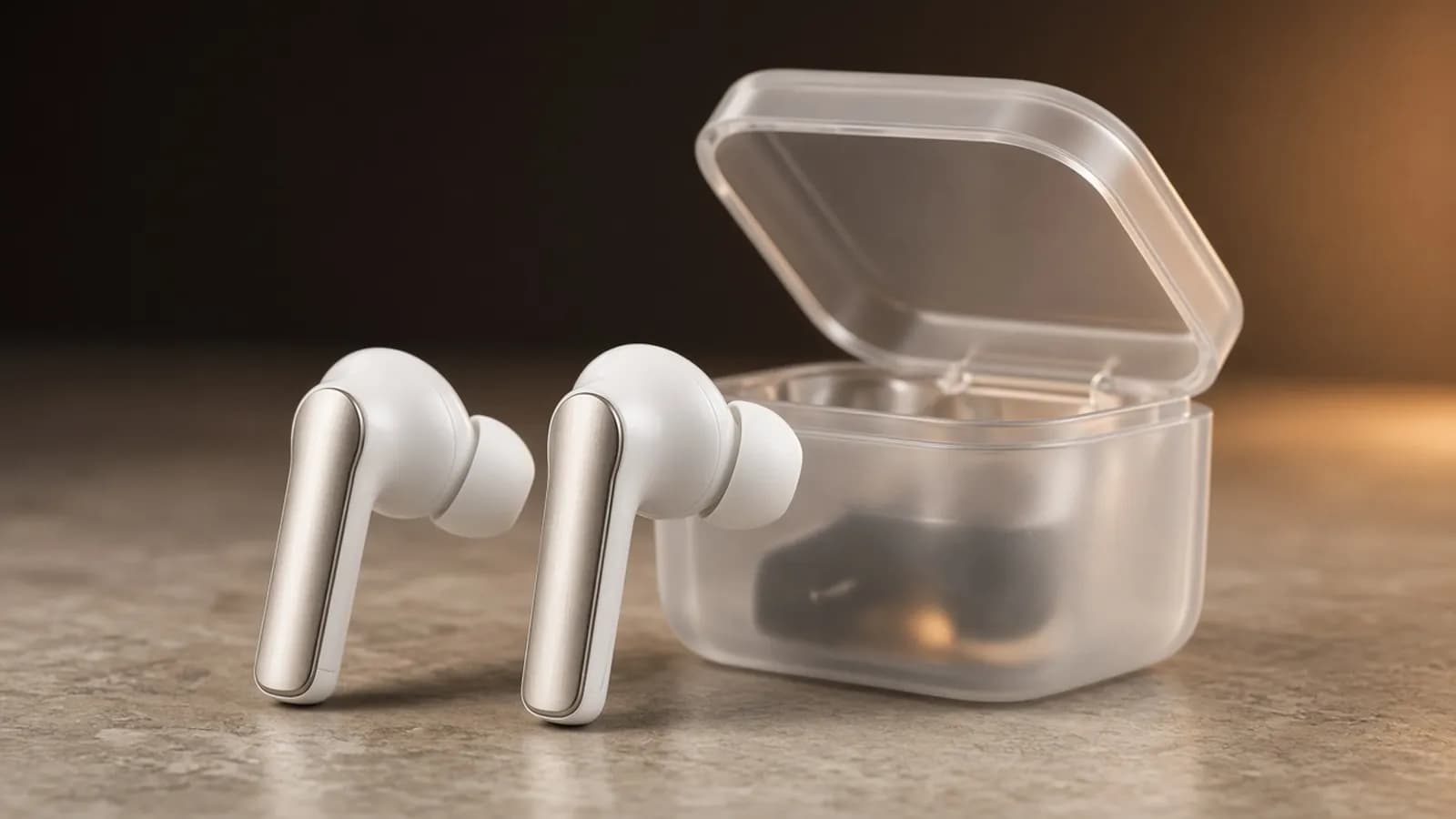
Samsung's Galaxy Buds have always been the AirPods of the Android world: polished, feature-packed, and at their best inside one company's ecosystem. The Galaxy Buds4 Pro keep that formula but change a lot underneath it.
Announced at Galaxy Unpacked on February 25, 2026, and on sale since March 11, the Buds4 Pro cost $249 in the US, the same as the Buds3 Pro. For that money you get a new two-way speaker, upgraded noise canceling, a flatter metal "blade" design, and a transparent clamshell case.
After weighing the independent reviews and lab measurements published since launch, our conclusion is simple. On a Galaxy phone, these are among the best-sounding earbuds at their price. Off a Galaxy phone, and for anyone who needs long battery life, the case is much weaker.
Design and build
The Buds4 Pro keep a stem design but replace the Buds3 Pro's glossy stems and light strips with a flat, premium metal finish. Samsung says the shape was computationally designed from hundreds of millions of ear data points and more than 10,000 simulations, producing smaller earbud heads intended to fit more securely.
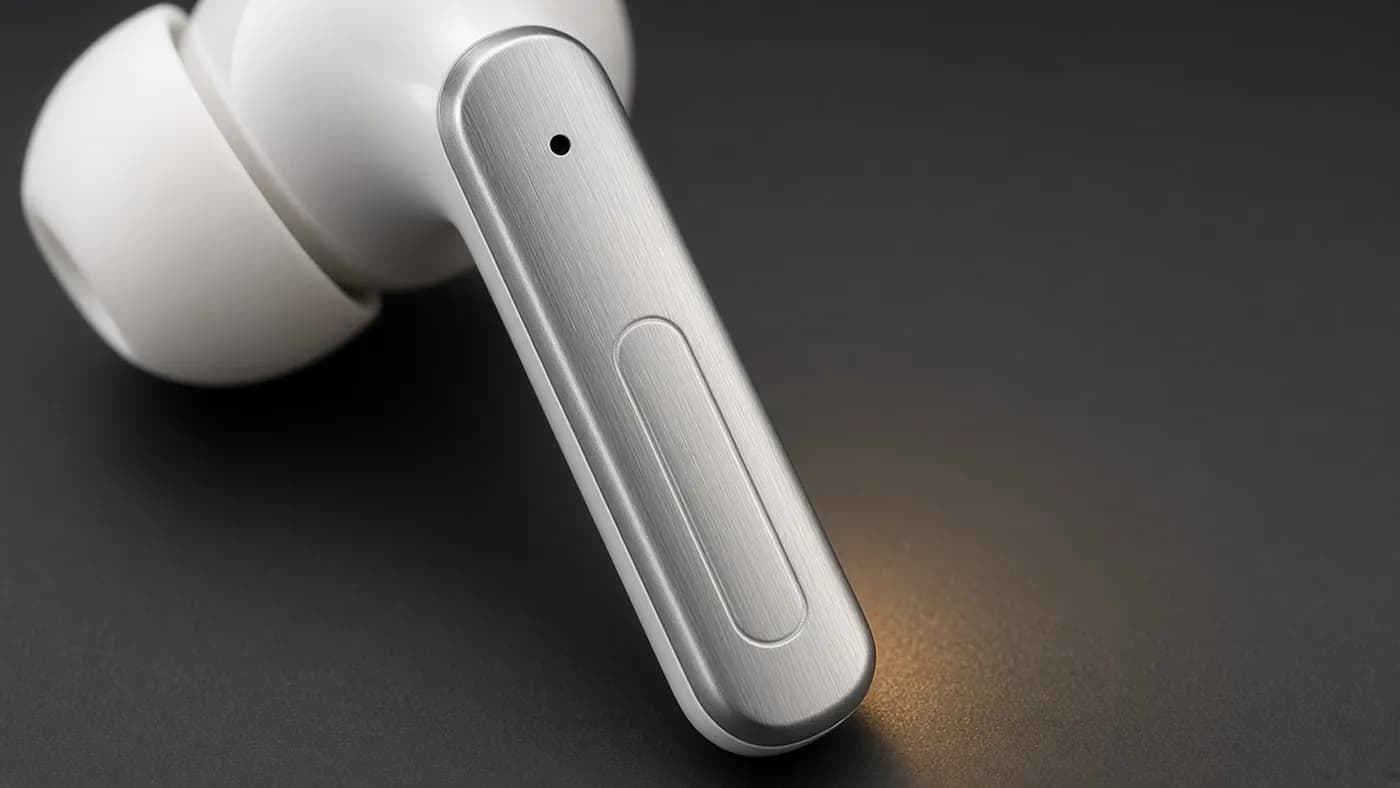
Each earbud weighs 5.1 grams with the medium tip, and the case weighs 44.3 grams. The buds are rated IP57, which Samsung says covers submersion in up to 3 feet of fresh water for 30 minutes. The case itself is not water resistant.
TechRadar liked the understated look but noted that Samsung dropped the color coding that told you which bud goes in which side of the case. An engraved pinch area on the stem makes the controls easier to find by feel.
Tips and fit
This is the most divisive part of the design. Samsung still uses a proprietary locking mechanism for the ear tips, and TechRadar found them fiddly to remove without tearing, while ruling out most third-party tips.
Fit reports also vary. WIRED found the buds light and comfortable over two weeks of daily use. TechRadar said they slipped regularly, especially when running, and blamed tip material that offers too little grip.
Key takeaway: try the Buds4 Pro before committing if you plan to run in them. For desk work and commuting, most reviewers found them comfortable. For exercise, fit is a real question mark.
The new case
The charging case switches to a clamshell design with a transparent lid, so you can see whether the buds are inside. TechRadar found it much easier to drop the buds into than the Buds3 Pro case, though it is blockier in a pocket and the clear section shows scratches and fingerprints.
Sound quality
The headline hardware change is a two-way speaker that pairs an 11mm "Super Wide" woofer with a 5.5mm planar tweeter. Each driver has its own amplifier, and Samsung says the woofer's diaphragm is 19.8% larger than the Buds3 Pro's.
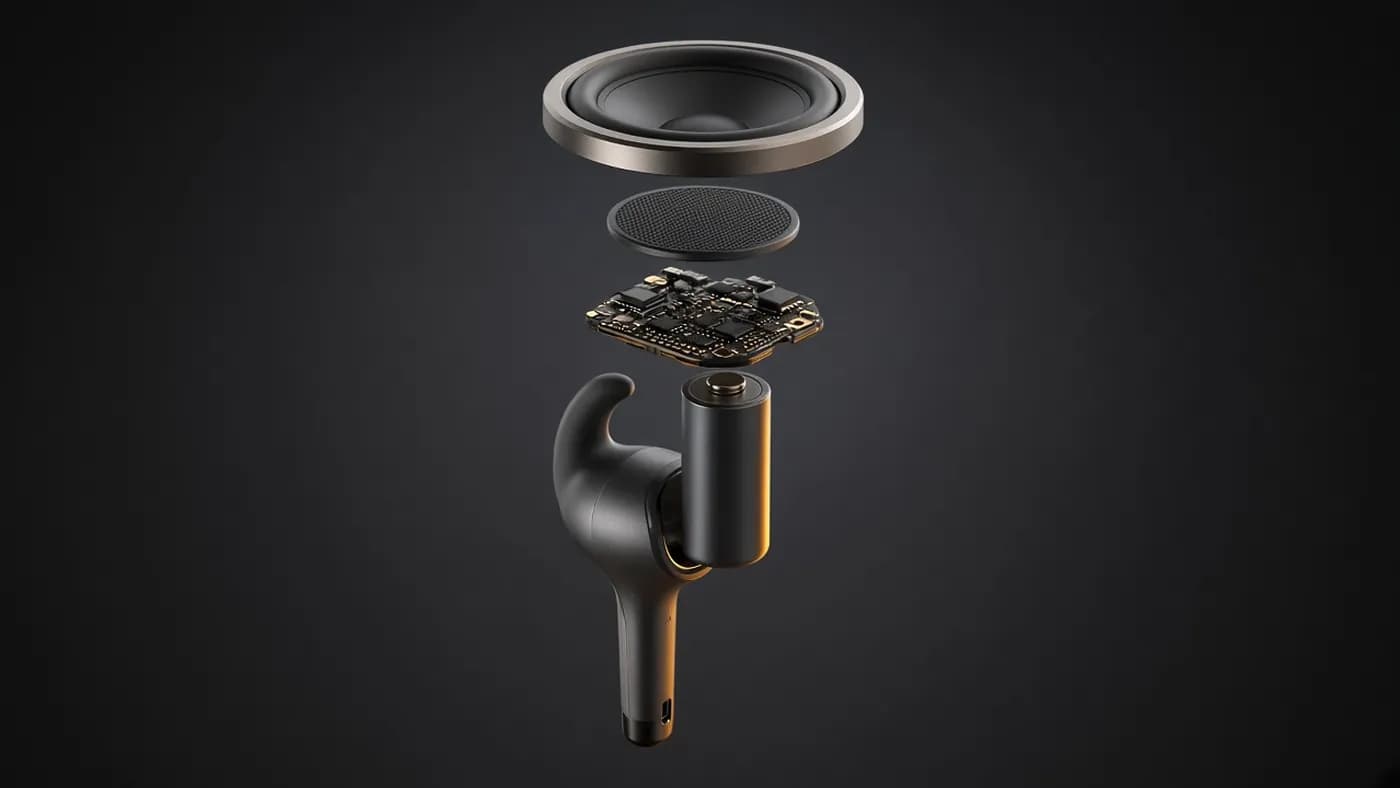
Reviewers broadly agree that it works. TechRadar ranked the Buds4 Pro among the best-sounding earbuds it has tested, praising energetic mids, crisp treble, and bass that stays controlled rather than bloated. WIRED described bold, detailed sound across frequencies, and PCMag called the audio outstanding.
SoundGuys was the notable dissenter, describing the tuning as dark and not to its personal taste, and scoring the buds 8.0 in a review titled "a bit of a fixer-upper." If you prefer a brighter, more neutral sound, the nine-band equalizer is there to help.
The Galaxy catch
Samsung supports 24-bit/96kHz high-resolution audio, but only through its own SSC UHQ codec, which requires a Galaxy phone. Other devices fall back to AAC, SBC, or LC3.
TechRadar spent a week using the buds with a non-Samsung Android phone and found they still sounded great, but noticeably better on a Galaxy. That split between Galaxy and non-Galaxy users runs through the whole product.
Noise canceling
SoundGuys found the Buds3 Pro's noise canceling a step back from the Buds2 Pro, and Adaptive ANC 2.0 is Samsung's answer. The Buds4 Pro analyze fit and ear shape to tune cancellation in real time, and add Voice Detect and Siren Detect to raise ambient sound when you start talking or when an emergency vehicle passes.
SoundGuys measured an 84% average reduction in noise at maximum strength. That is well above average, and 5 to 10dB better than the Buds3 Pro in the tricky 500Hz to 1.1kHz range, though that range is still the weakest part of the curve.
For context, SoundGuys measured 88% for the Sony WF-1000XM6 and 90% for the AirPods Pro 3. The Verge and PCMag both found the Buds4 Pro less effective than the AirPods Pro 3, Bose QuietComfort Ultra Earbuds (2nd Gen), and Sony WF-1000XM6.

Engadget found them particularly good with steady noise such as fans and dryers, but weaker with sudden, irregular sounds. The Verge noted that the app lets you adjust the intensity of both noise canceling and transparency, which is a useful extra.
Key takeaway: the Buds4 Pro finally have noise canceling worthy of a $249 price. They are still a step behind the class leaders, especially with unpredictable noise.
Calls and hands-free controls
Super Clear Call uses super wideband technology, which Samsung says doubles the bandwidth of standard Bluetooth calls. It requires a Galaxy phone running One UI 6.1.1 or later. WIRED rated call quality as excellent.
Head Gestures let you nod to answer a call or shake your head to decline, and can also respond to Bixby. Samsung notes that the feature is off by default and needs a paired device on One UI 8.5 or later. The buds can also trigger AI assistants including Bixby, Google Gemini, and Perplexity hands-free on Galaxy devices.
Battery and charging
Battery life is the Buds4 Pro's clearest weakness. Samsung rates them at 6 hours with noise canceling on (26 hours with the case) and 7 hours with it off (30 hours with the case).
SoundGuys says that is roughly an hour more per charge than the Buds3 generation, but it is still two hours short of the 8 hours Apple and Sony quote for their flagships. SoundGuys measured 6 hours 1 minute, almost exactly on Samsung's claim, and WIRED got a little over 6 hours with ANC on.
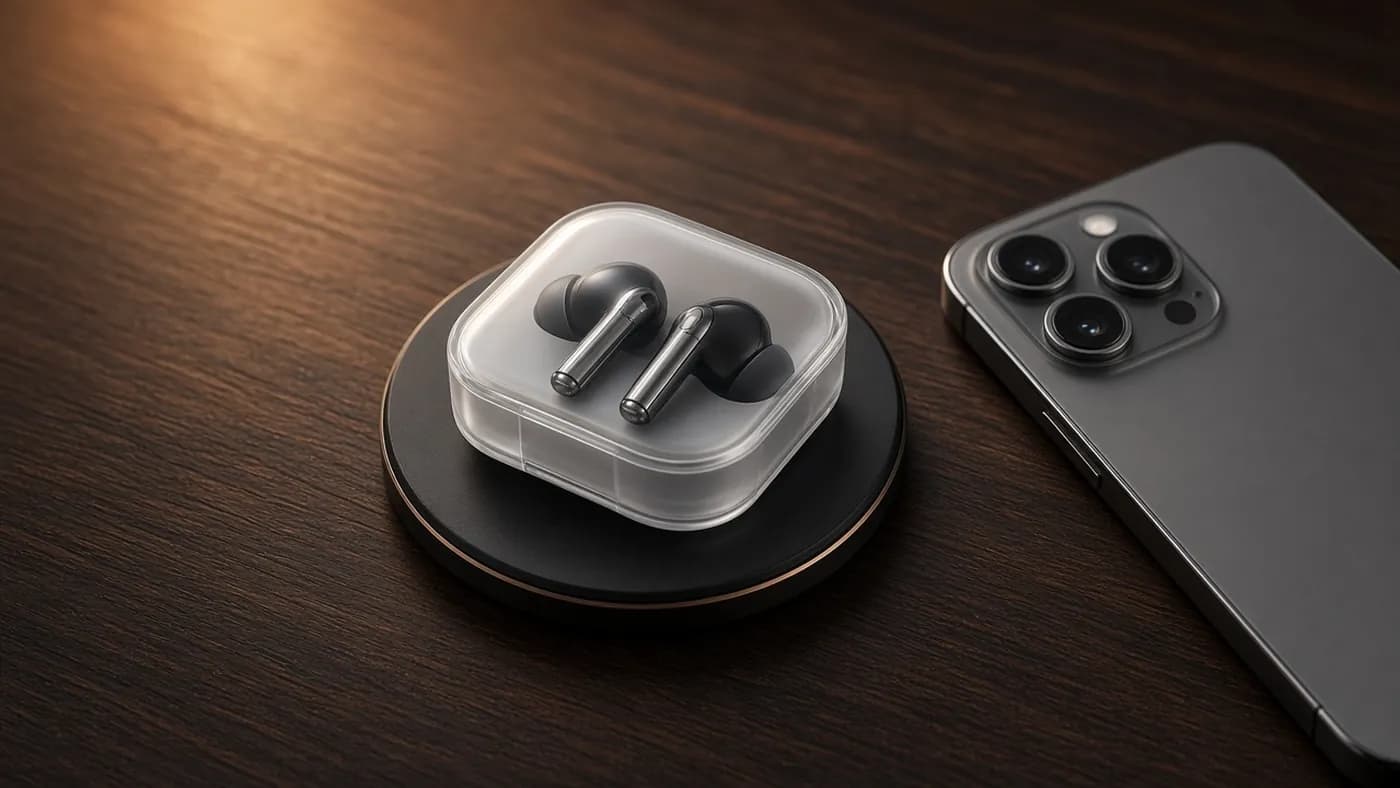
TechRadar reported that heavy use of every feature drops the buds to about 4 to 5 hours with noise canceling. The case supports both USB-C and wireless charging, and SoundGuys estimates its 530mAh battery holds about three to four full recharges.
Software and features
On a Galaxy phone, setup and control live in Galaxy Wearable. You get a nine-band equalizer with presets, 360 Audio, adaptive EQ, per-app sound settings, and a basic hearing test that TechRadar found underwhelming.
Auracast lets you join or broadcast audio streams, including to compatible hearing aids, and Auto Switch moves audio between your Samsung devices. TechRadar could not find a low-latency gaming mode or a way to enable multipoint pairing.
Samsung's own footnotes are clear about the limits. The buds work as standard Bluetooth earbuds with any device, but advanced settings in the Galaxy Wearable app need an Android 10 phone, and some features only work on Galaxy phones. There is no full-featured iPhone experience.
Getting the most out of the Buds4 Pro
- Try each included tip size, since the seal drives both bass and noise canceling.
- On a Galaxy phone, turn on the high-quality audio (UHQ) option in the buds' settings.
- Set up Head Gestures in phone settings if you want hands-free call handling.
- Adjust noise canceling intensity rather than leaving it at maximum, to stretch battery life.
- Try the Dynamic EQ preset, which TechRadar preferred over the default tuning.
How it compares
The Buds4 Pro go up against the AirPods Pro 3 at the same price, and against Sony and Technics flagships that cost more.
| Galaxy Buds4 Pro | Apple AirPods Pro 3 | Sony WF-1000XM6 | Technics EAH-AZ100 | |
|---|---|---|---|---|
| US price | $249 | $249 | $329.99 | $299 |
| Avg. noise reduction (SoundGuys) | 84% | 90% | 88% | 83% |
| Weight per bud | 5.1g | 5.6g | 6.5g | 5.9g |
| Hi-res codec | SSC UHQ (Galaxy only) | None (AAC) | LDAC | LDAC |
| Water resistance | IP57 | IP57 | IPX4 | IPX4 |
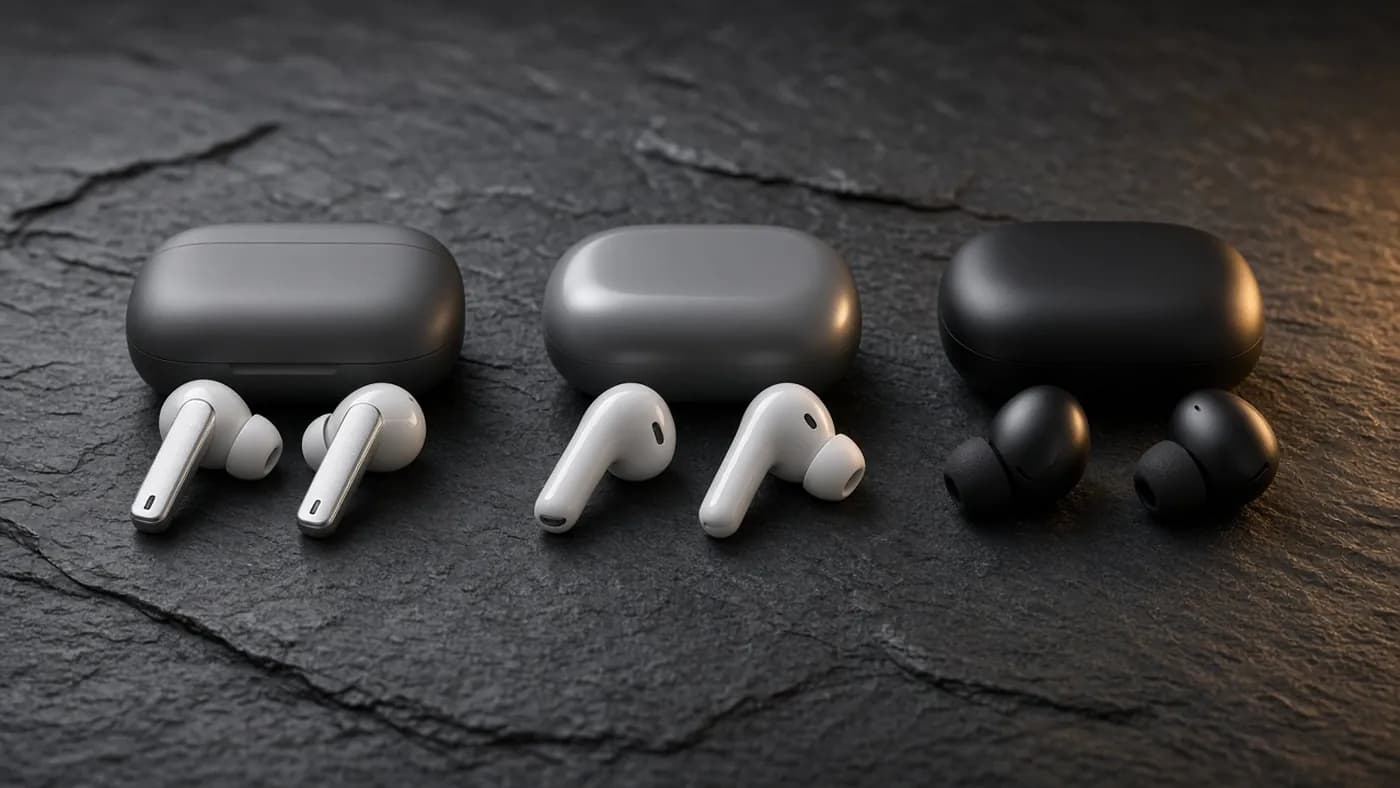
The AirPods Pro 3 are the mirror image of the Buds4 Pro: the obvious pick on an iPhone, with stronger measured noise canceling and longer battery life, but far less useful on Android. The Sony WF-1000XM6 cost $80 more but deliver stronger noise canceling, 8-hour battery life, and LDAC for any Android phone.
The Technics EAH-AZ100 are the endurance choice. SoundGuys measured 10 hours 40 minutes on a charge, against 6 hours for the Buds4 Pro, with near-identical noise canceling. Google's Pixel Buds Pro 2, at $229 according to PCMag, are the natural alternative for Pixel owners.
Who should buy it
If you own a recent Galaxy phone, the Buds4 Pro are the earbuds to get. The Verge called them the top choice for Galaxy owners, and features like SSC UHQ audio, Super Clear Call, and Auto Switch make a real difference in daily use.
If you use an iPhone or a non-Samsung Android phone, look elsewhere. The same goes for runners, who may struggle with fit, and long-haul travelers who need more than six hours per charge.
FAQ
When were the Galaxy Buds4 Pro released, and what do they cost?
Samsung announced the Galaxy Buds4 Pro on February 25, 2026, and they went on sale on March 11, 2026. The US price is $249, unchanged from the Buds3 Pro.
Do the Galaxy Buds4 Pro work with iPhone?
They connect as standard Bluetooth earbuds, but you lose the Galaxy Wearable app's advanced settings, SSC UHQ audio, and Galaxy-only features such as Super Clear Call. The Verge does not recommend them for iPhone users.
How much better is the noise canceling than the Buds3 Pro?
Noticeably better. SoundGuys measured 84% average noise reduction and found the Buds4 Pro 5 to 10dB more effective than the Buds3 Pro in the midrange, where voices and chatter sit.
Are the Galaxy Buds4 Pro waterproof?
The earbuds are rated IP57, meaning they are dust resistant and can survive submersion in up to 3 feet of fresh water for 30 minutes. The charging case has no water resistance, and Samsung advises against beach or pool use.
Final Verdict
The Galaxy Buds4 Pro are Samsung's best earbuds yet. The two-way driver delivers rich, detailed sound, noise canceling is finally competitive, and the new design looks and feels premium.
They are also a product built for Galaxy owners, with battery life and ear tips that still lag the competition. Inside that ecosystem they are an easy recommendation; outside it, the Sony, Apple, and Technics alternatives are better fits.
Join the conversation