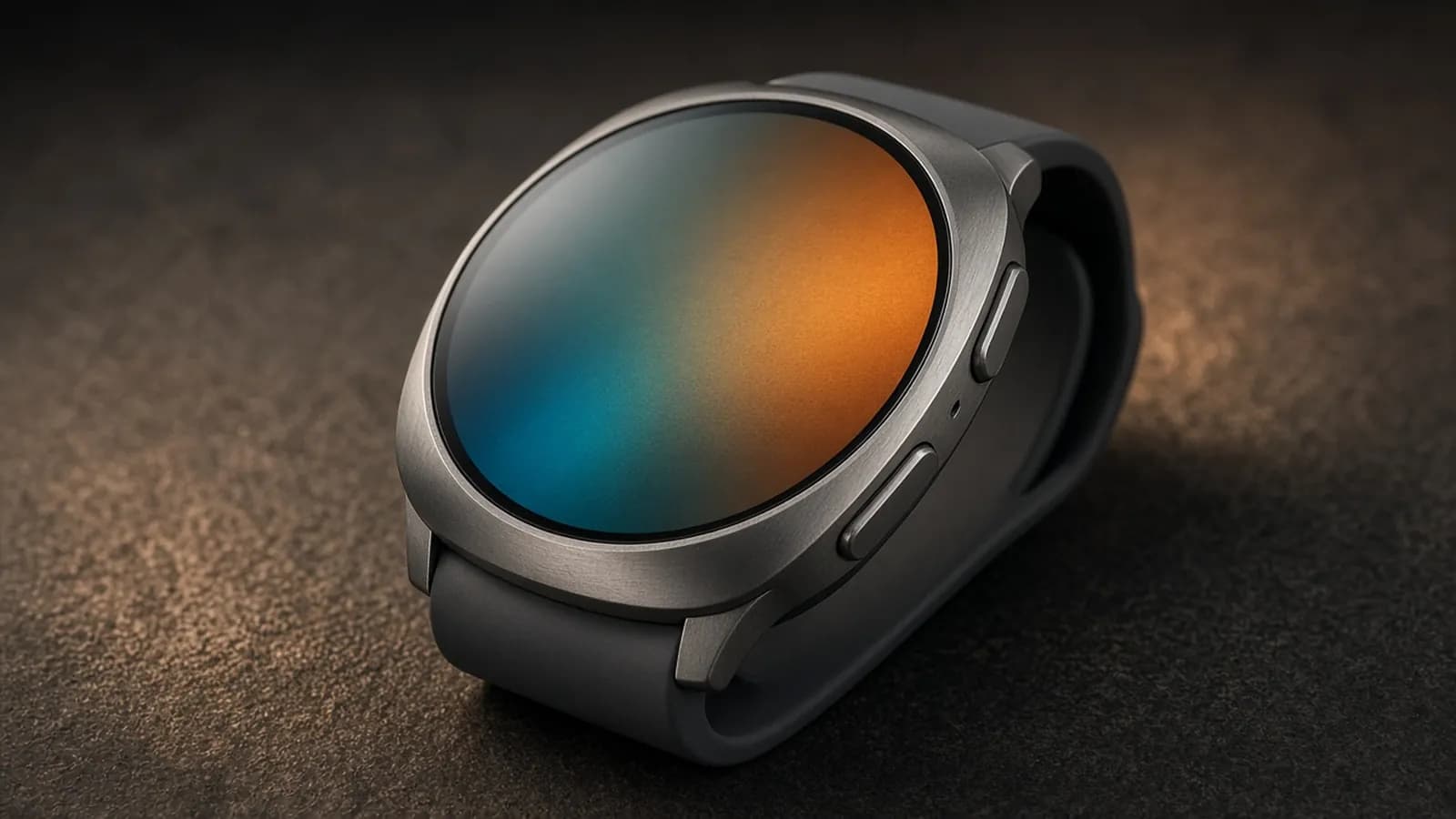
Samsung's standard Galaxy Watch has settled into a predictable rhythm: announced each July, refined rather than reinvented, and priced a little higher than the year before. The Galaxy Watch 9, unveiled at Galaxy Unpacked in London on July 22 and on shelves since August 7, follows that pattern closely.
The biggest change is under the glass. Samsung has switched from its own Exynos chips to Qualcomm's Snapdragon Wear Elite platform, and reviewers agree the watch feels noticeably quicker. There is also a brighter display, slightly larger batteries, new health scores, and a hands-free way to talk to Gemini.
What has not changed is the complaint that has followed Galaxy Watches for years. Battery life still hovers around a day for many users, and charging is slow. Based on Samsung's specifications and the independent reviews we analyzed, this is a very good Android smartwatch that asks you to plan your day around the charger.
Design and comfort
The Watch 9 keeps Samsung's signature cushion silhouette: a round display set into an aluminum case with softened, squarish shoulders. Samsung says the body is slimmer and that the new band uses an air pocket structure for a closer fit.
According to Samsung's spec sheet, both sizes are 8.6mm thick. The 40mm model measures 42.7 by 40.4mm and weighs 31.5 grams, while the 44mm model measures 46.0 by 43.7mm and weighs 34 grams. The 40mm comes in cream and graphite, and the 44mm in graphite and silver.
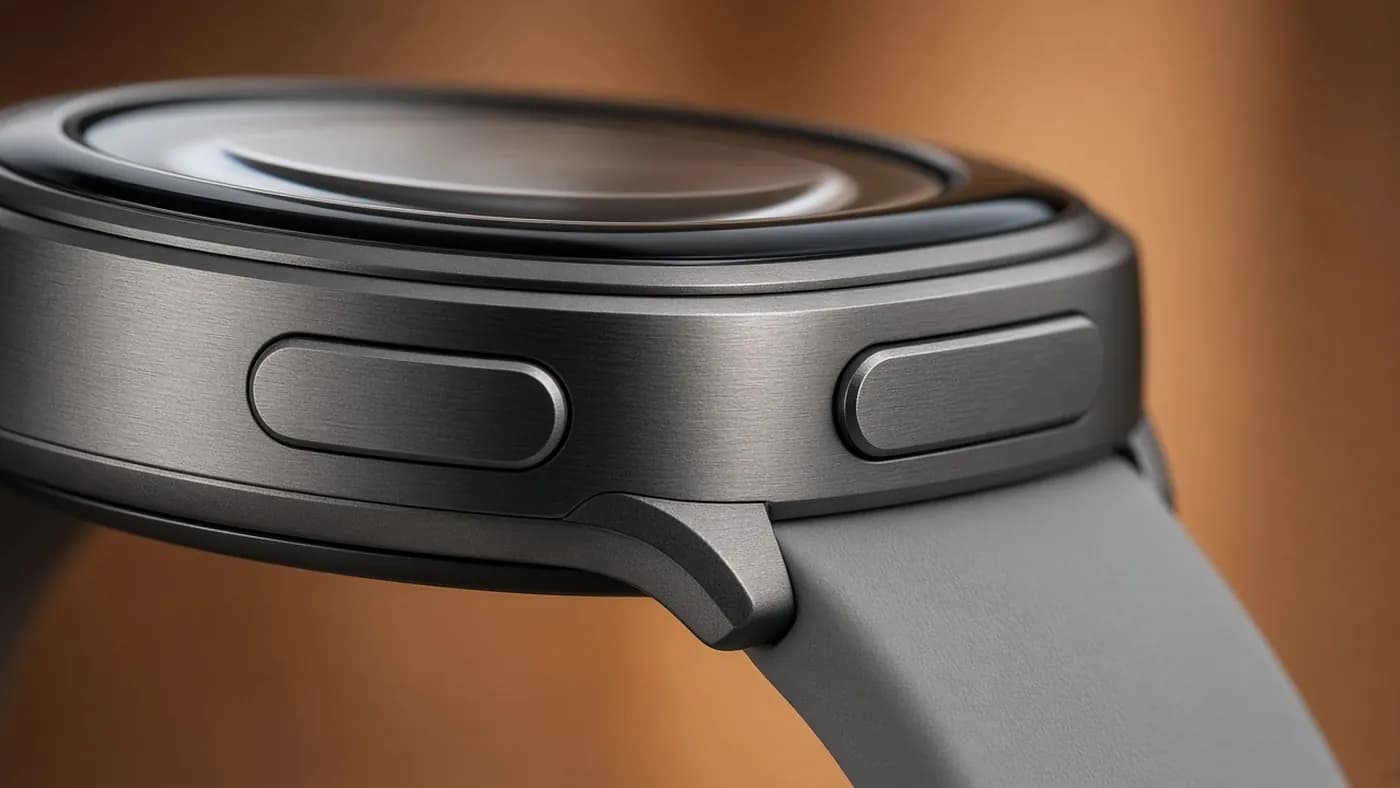
Comfort is where the Watch 9 earns the most praise. Android Authority called it "extremely comfortable to wear," and Yahoo Tech described it as the best-looking major smartwatch on the market. Durability is rated at 5ATM and IP68, with sapphire crystal over the display.
Display
Samsung rates the Super AMOLED panel at up to 3,000 nits, and it is always-on capable in full color. The 40mm model has a 1.34-inch, 438 by 438 display, and the 44mm has a 1.47-inch, 480 by 480 screen.
Reviewers consistently describe it as bright and easy to read. That matters for a watch you glance at outdoors, and it is one area where the Watch 9 clearly outclasses the Apple Watch Series 11's 2,000-nit rating on paper.
Performance
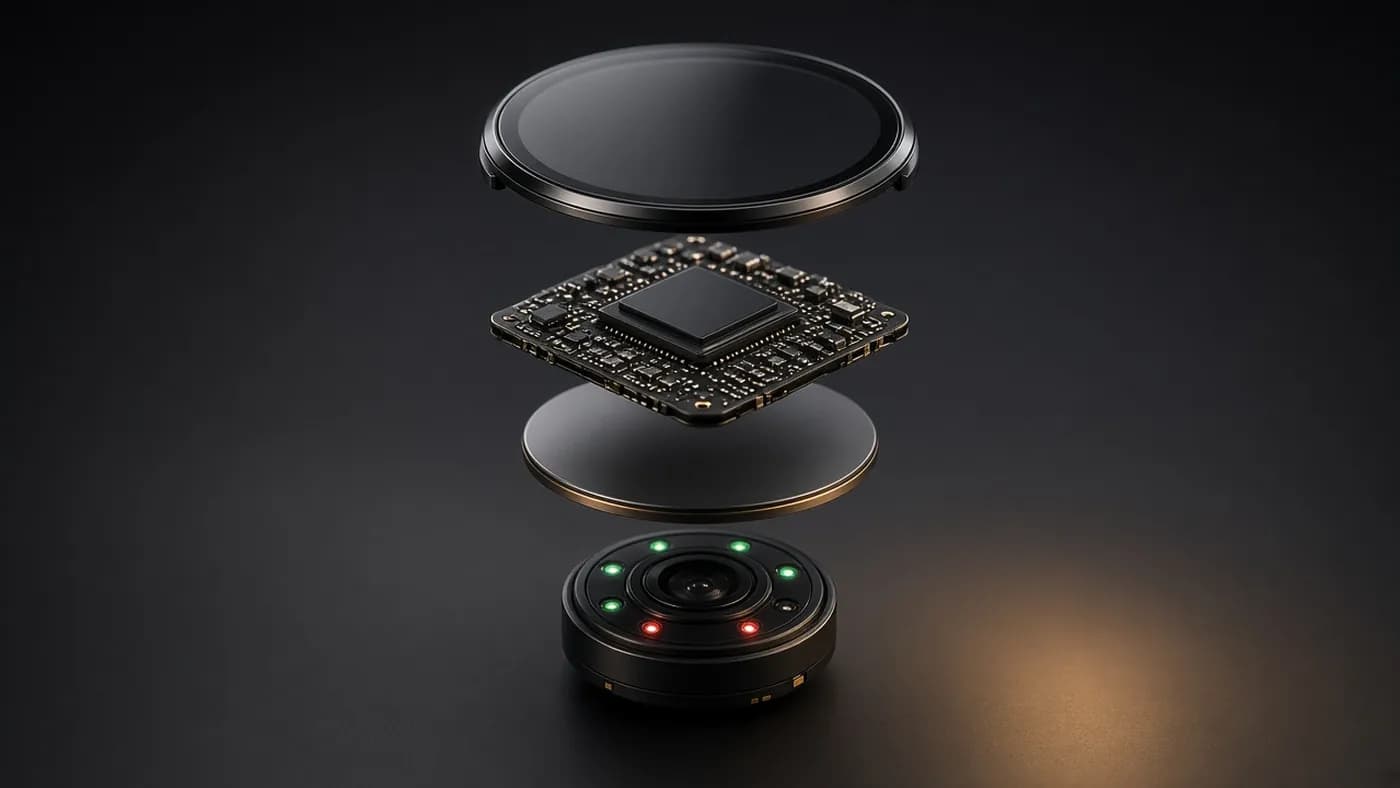
The Snapdragon Wear Elite is a 3nm chip, and the Watch 9 is the first Galaxy Watch to use it. It pairs with 2GB of RAM and 32GB of storage. Samsung promises faster apps, menus, and workout tracking.
Independent reviewers back that up. Android Authority said the performance gains are "noticeable," and Yahoo Tech pointed to the zippier processor as one of the watch's main upgrades. After years of good-but-not-great Exynos wearables, this is the most meaningful hardware change in the Watch 9.
The trade-off, as we will see, is that the faster chip has not translated into better endurance.
Health and fitness tracking
Samsung's BioActive sensor, which combines optical heart rate, electrical heart signal, and bioelectrical impedance analysis, remains at the core. What is new is a wave of software built on top of it.
New scores and metrics
Samsung highlights six features for the Watch 9 and Ultra 2:
- Sleep Apnea, which looks for signs of moderate to severe obstructive sleep apnea over two nights.
- Vitals, which monitors your overnight baseline and alerts you to deviations after seven nights of data.
- Heart Health Score, a simple cardiovascular wellness score that needs a Samsung Galaxy phone and 24 hours of initial wear.
- Daily Cardio Load, which guides training volume and recovery after at least seven days of activity data.
- Fitness Index, which requires a body composition reading and a VO2 max measurement.
- Hearing, which warns about unsafe noise levels.
Some of these reach older hardware. Samsung says Daily Cardio Load and Fitness Index work on the Galaxy Watch 7 and newer once they run One UI 9 Watch.
Are they useful?
Opinions differ. Wired's reviewer, after two weeks with the 40mm model, argued that Samsung keeps piling on scores when it should be refining the ones it has. Wired also noted that one circulatory health feature requires calibration against a separate blood pressure cuff, which most buyers will not own.
On the other hand, Wired found sleep tracking reliable, with a consistent morning sleep score and an AI-powered Sleep Coach. Android Authority called Samsung's health platform "ridiculously comprehensive" and said it offers more useful insights than ever.
Samsung Health is now one of the deepest tracking platforms on any smartwatch. The challenge is turning all those scores into clear, simple guidance.
Software: Wear OS 7 and Gemini
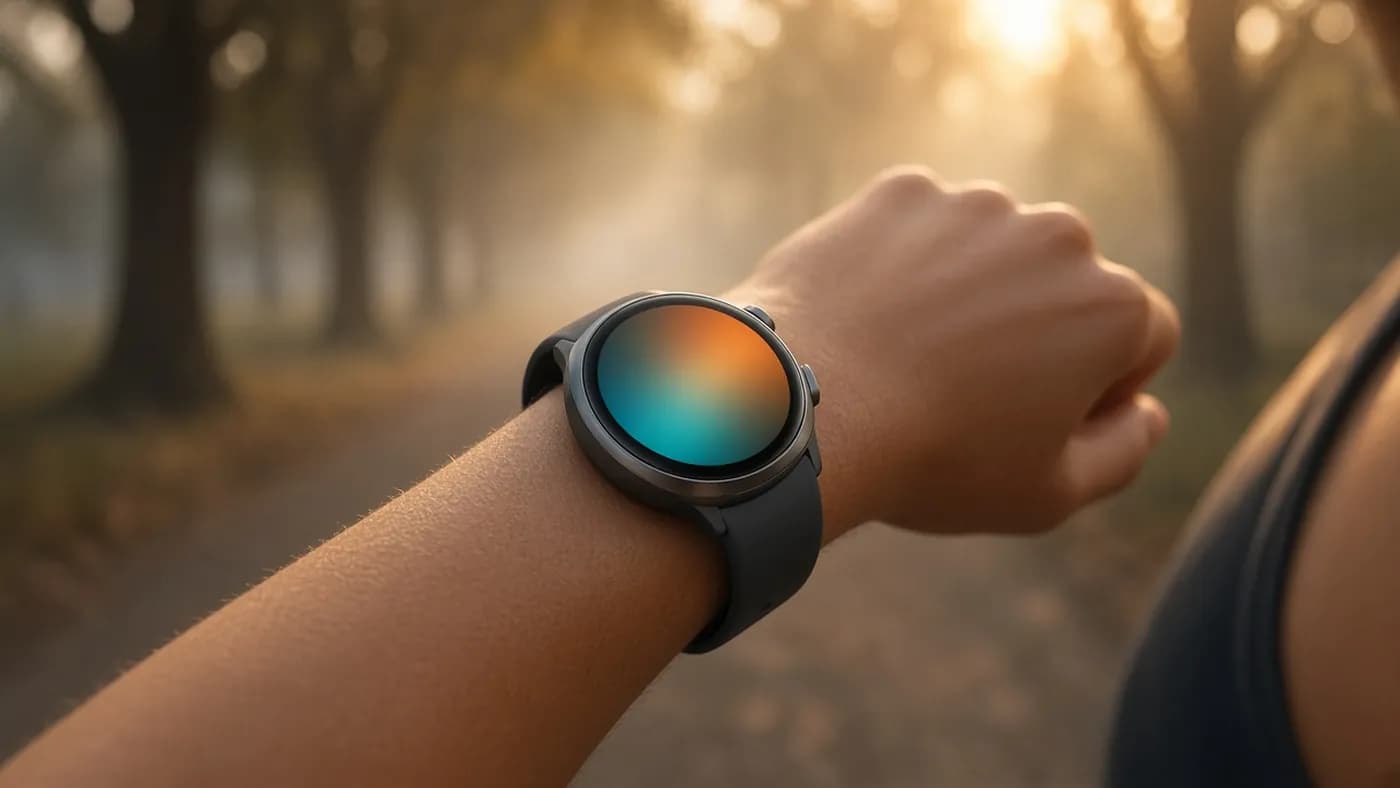
The Watch 9 runs Wear OS 7 with One UI 9 Watch. GSMArena described the interface as nearly identical to last year's One UI 8 Watch, which is not a bad thing: Android Authority noted that almost everything is only a swipe or two away.
The bigger software news is longevity. Samsung promises five major Wear OS upgrades and five years of security patches, one more OS upgrade than its previous policy, according to Android Authority. That is among the strongest update commitments for any smartwatch.
Raise to Talk
The headline new feature is Raise to Talk. Instead of pressing a button or saying "Hey Google," you lift the watch toward your mouth and speak to Gemini. Samsung says it is currently exclusive to the Watch 9 and Ultra 2.
Results vary. Android Authority liked it more than expected despite occasional missed triggers and freezes. GSMArena found it hit or miss, with Gemini often not responding. Yahoo Tech used it constantly but reported that it noticeably shortens battery life and struggled in a loud coffee shop.
If you are setting up a new Watch 9, here is what we would change first:
- Decide on Raise to Talk. It is off by default; Yahoo Tech notes you enable it under Settings, then Buttons and Gestures. Leave it off if battery life matters most.
- Keep the always-on display off unless you need it. Android Authority's 30-to-35-hour results were measured with it disabled.
- Wear the watch overnight for a week so Vitals can establish your baseline.
- Take a body composition reading and log a VO2 max estimate to unlock Fitness Index.
- Build charging into a daily routine, such as your morning shower, rather than waiting for a low-battery alert.
Battery and charging
Samsung increased battery capacity to 390mAh on the 40mm model, 20 percent more than the Watch 8, and to 445mAh on the 44mm model, a 10mAh bump. Samsung describes the result as dependable, around-the-clock tracking.
Independent results are less rosy. Android Authority typically got 30 to 35 hours from the 44mm model with the always-on display off and less than an hour of workouts. On a heavy day with roughly 20,000 steps, the watch was down to 15 percent after about 24 hours.
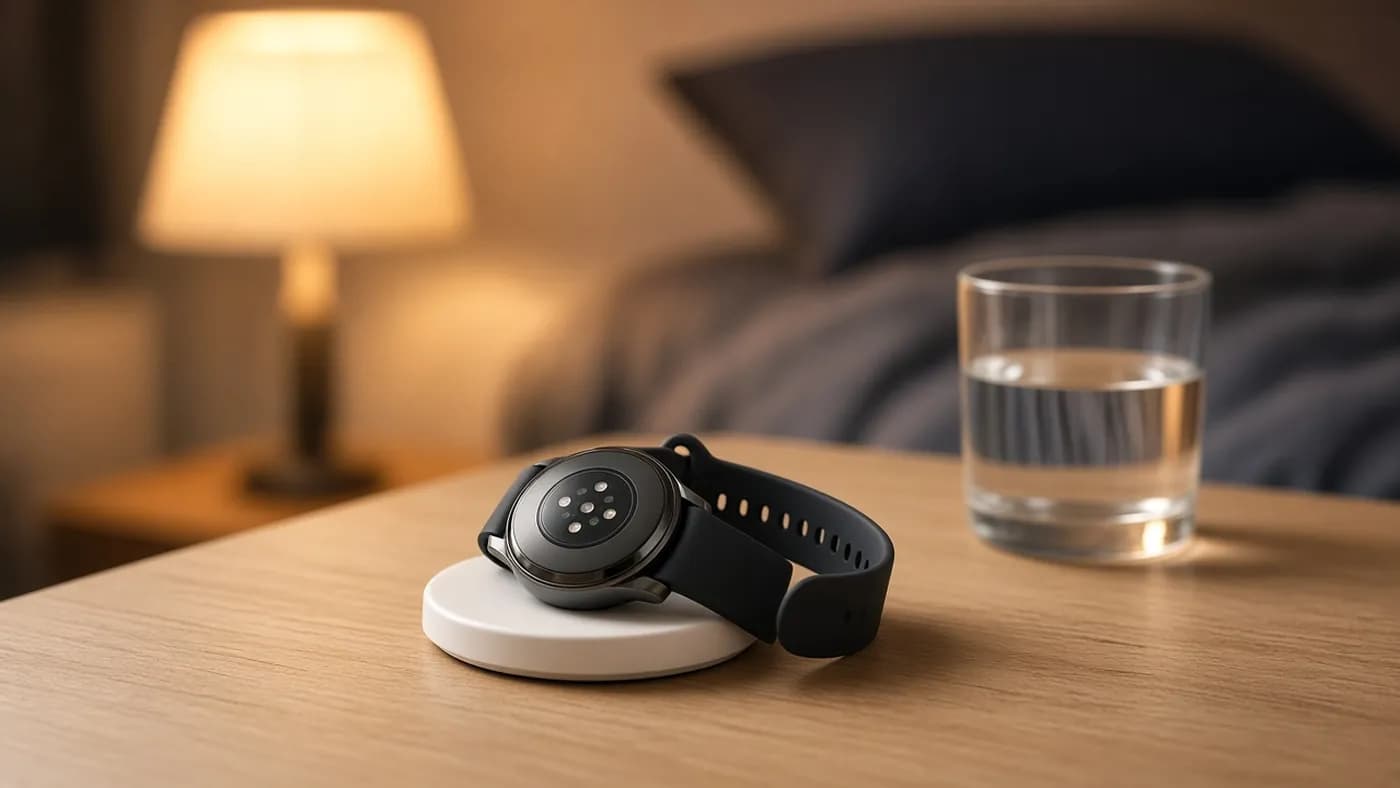
Charging does not help. Android Authority measured more than an hour and a half for a full charge, gaining roughly one percentage point per minute even from empty. That makes quick top-ups less useful than on some rivals.
Plan on charging the Galaxy Watch 9 every day. If you want sleep tracking, find a reliable daily window to charge it.
How it compares
Samsung raised prices by $30 across the board this year. The 40mm Bluetooth model is $379.99, the 44mm is $409.99, and LTE versions cost $429.99 and $459.99. Here is how it stacks up against the obvious alternatives.
| Smartwatch | Starting price | Chip | Works with | Key advantage |
|---|---|---|---|---|
| Samsung Galaxy Watch 9 | $379.99 | Snapdragon Wear Elite | Android 13 or later | Speed, comfort, 3,000-nit screen |
| Samsung Galaxy Watch 8 | $350 at launch | Samsung Exynos | Android | Lower price, most of the same software |
| Samsung Galaxy Watch Ultra 2 | About $700 | Snapdragon Wear Elite | Android | 800mAh battery, 5,000-nit screen, dive rating |
| Apple Watch Series 11 | $399 at launch | Apple S10 | iPhone only | Apple ecosystem, 2,000-nit screen |
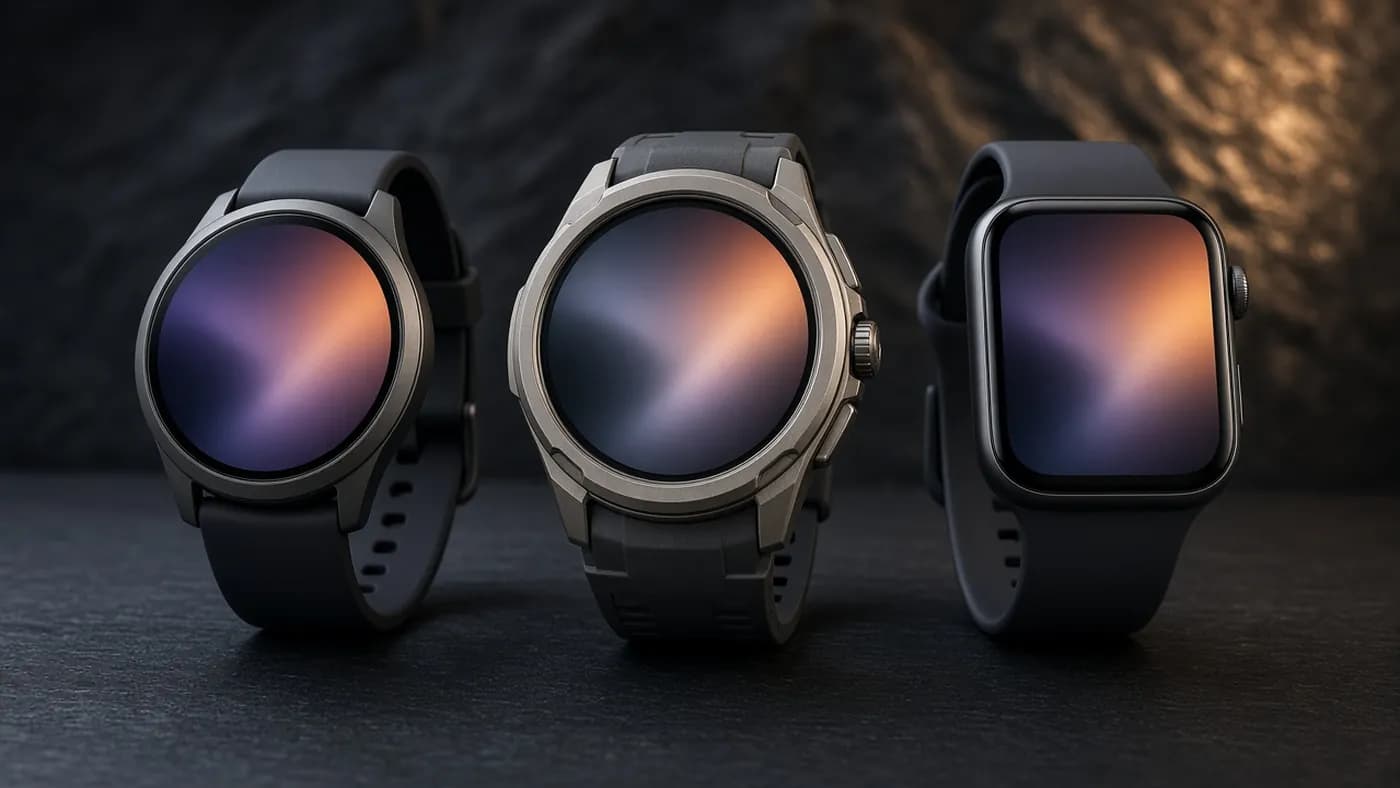
The Watch 8 is the value alternative, especially as retailers clear stock, and it gets Daily Cardio Load and Fitness Index with One UI 9 Watch. The Ultra 2 addresses the battery problem with an 800mAh cell, but at nearly twice the price and with a much bulkier 47mm titanium case.
Who should buy it
The Watch 9 is the best choice for Samsung Galaxy phone owners who want a comfortable, full-featured smartwatch, and for anyone coming from a Galaxy Watch 6 or older. Some features, such as Heart Health Score, require a Galaxy phone.
If you are choosing between sizes, we would lean toward the 44mm model for its larger 445mAh battery, since endurance is this watch's weakest point. The 40mm version is lighter at 31.5 grams and better suited to smaller wrists, but its 390mAh cell leaves less margin.
LTE adds $50 to either size. It is worth it only if you regularly leave your phone behind for runs or errands, because using cellular on the wrist can also cost you battery.
Owners of the Watch 7 or Watch 8 should probably wait. Wired and Android Authority both concluded the update is too modest to justify upgrading, especially since the battery problem persists.
FAQ
How long does the Galaxy Watch 9 battery last?
Samsung describes it as delivering dependable, around-the-clock tracking. Android Authority typically saw 30 to 35 hours on the 44mm model with the always-on display off, but heavy days pushed it closer to 24 hours.
Does the Galaxy Watch 9 work with iPhones?
No. It requires an Android phone running Android 13 or later with Google Mobile Services. Some health features, such as Heart Health Score, also require a Samsung Galaxy phone.
How much does the Galaxy Watch 9 cost?
Prices start at $379.99 for the 40mm Bluetooth model and $409.99 for the 44mm. LTE models cost $429.99 and $459.99. That is $30 more than equivalent Watch 8 models at launch.
Should I upgrade from a Galaxy Watch 8?
Probably not. The Watch 9 is faster and brighter, but the design is nearly identical, the battery gain is small, and Samsung is bringing several new health features to older watches through One UI 9 Watch.
Final Verdict
The Galaxy Watch 9 is Samsung's most polished everyday smartwatch, and the move to the Snapdragon Wear Elite gives it the responsiveness Galaxy Watches have long lacked. It is light, bright, deeply capable as a health tracker, and backed by a generous five-year update promise.
It is also another Galaxy Watch that needs a charger almost every day, now at a higher price. If you own a Galaxy phone and accept that routine, it is the Wear OS watch to buy; if battery life is your priority, look at the Ultra 2 instead.
Join the conversation