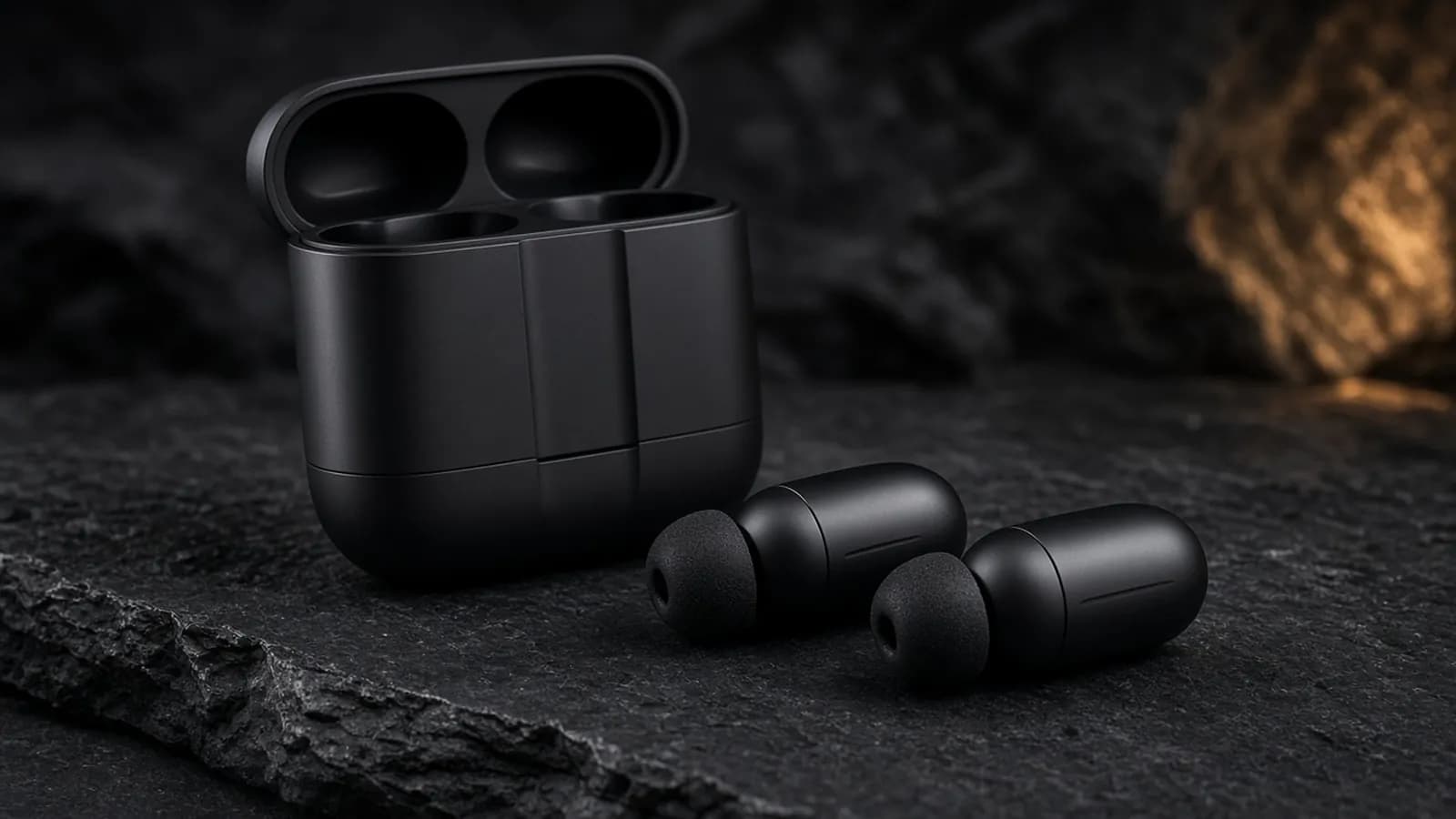
Sony's 1000X earbuds have spent years trading the noise-canceling crown with Apple and Bose. The WF-1000XM6, released on February 12, 2026, are Sony's attempt to take it back with a new shape, two extra microphones, a new noise-canceling processor, and a redesigned driver.
They cost $329.99 in the US, which is $30 more than the WF-1000XM5 launched at in 2023 and $80 more than Apple's AirPods Pro 3. That premium makes the XM6 easy to admire and harder to recommend without conditions.
Having gone through the major independent reviews and lab data published since launch, our read is clear. These are superb earbuds for sound, calls, and features, with noise canceling near the very top of the category. The main thing that can undo them is fit.
Design and build
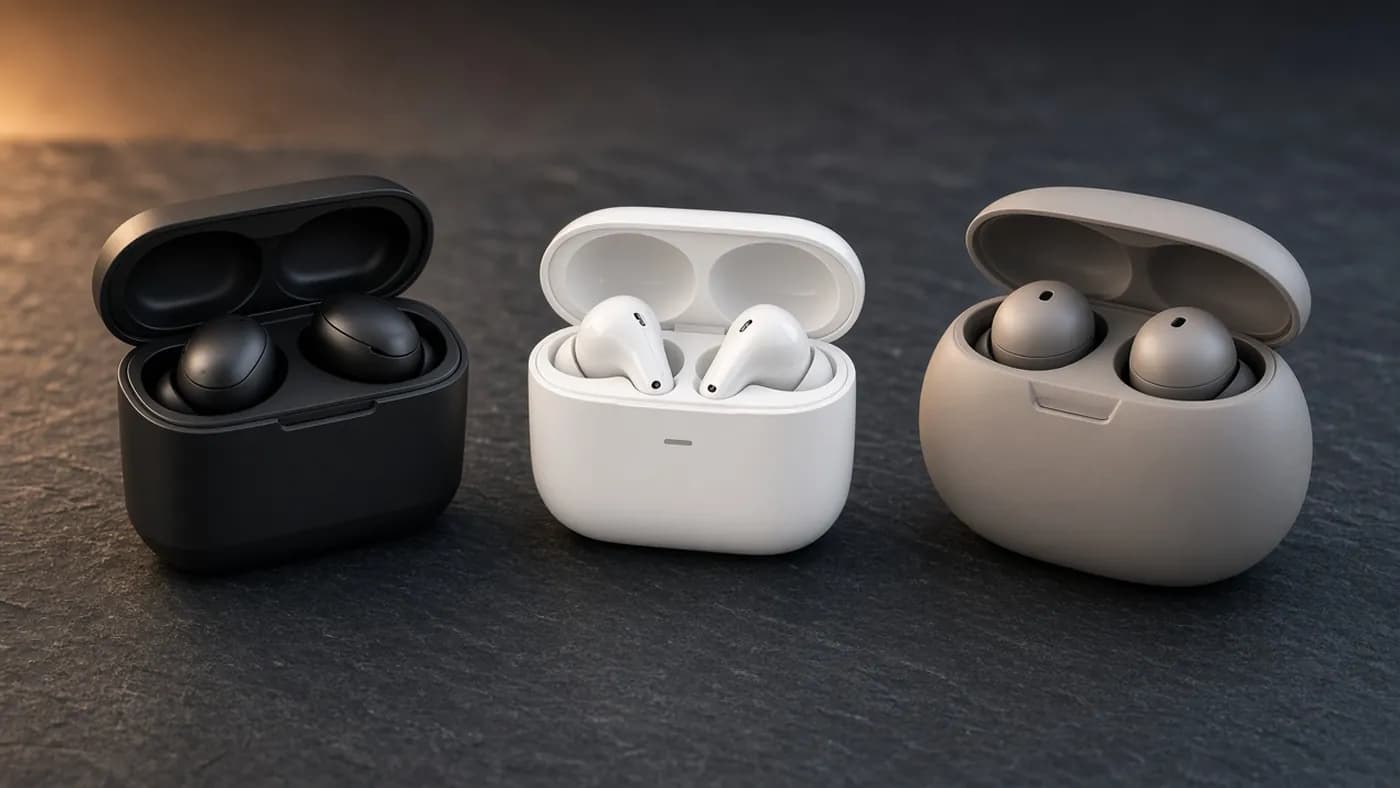
The glossy, egg-shaped buds of the XM5 are gone. The XM6 use an elongated, pill-shaped body with a matte plastic finish, and Sony says they are 11% thinner than before. They are also taller, with a small ridge halfway up the housing that tucks into the outer ear.
That matte finish is a practical upgrade. TechRadar and SoundGuys both noted that the grippy buds are far easier to pull out of the case than the slippery XM5, which had a habit of ending up on the floor.
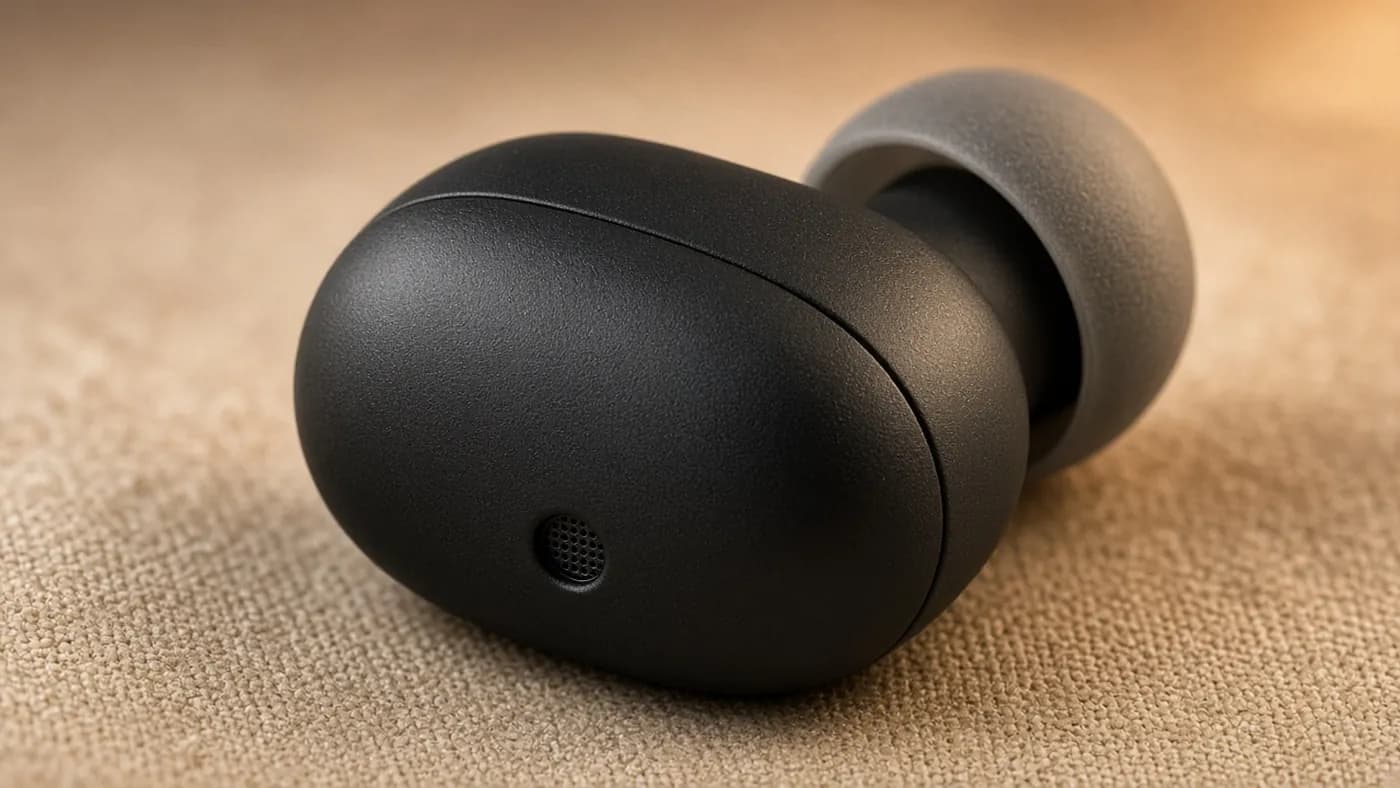
Each earbud weighs 6.5 grams and the case weighs 47 grams, according to The Verge. The case has flat top and bottom surfaces, so it stands upright on a desk or charging pad, and SoundGuys points out that its lid now swings on a metal hinge rather than plastic.
The buds carry an IPX4 rating, which covers sweat and light rain but not submersion. That matches the XM5 and is standard for this class, though the AirPods Pro 3 go further with IP57.
Fit is the make-or-break issue
Sony ships four sizes of memory foam tips (XS to L) and no silicone tips in the box. Reviewers split sharply on how well this works.
SoundGuys found the new shape more forgiving, sealing well even when inserted at odd angles. TechRadar's audio editor had the opposite experience, needing a firm push and twist to lock them in and reporting ear ache after several hours. The Verge's verdict hinged on the same point: great results, provided the foam tips suit your ears.
Key takeaway: the XM6 deliver their best sound and noise canceling only with a proper seal. If foam tips have never worked for you, factor that into the $330 decision. The Verge notes that Sony will send silicone tips to buyers who cannot get on with the foam.
Sound quality
Sound is where the XM6 are hardest to fault. Inside is a new 8.4mm dynamic driver, and Sony's Integrated Processor V2 now handles audio with 32-bit processing, up from 24-bit on the XM5.
What Hi-Fi described the sound as out of this world and suggested the XM6 put every major rival at this price on notice. The Verge called them its favorite-sounding earbuds compared with the AirPods Pro 3 and Bose QuietComfort Ultra Earbuds (2nd Gen).
TechRadar was more measured, praising crisp, controlled bass and an expansive, neutral soundstage while noting that the Technics EAH-AZ100 reveal a touch more dynamic nuance. SoundGuys flagged one quirk worth knowing: the tuning shifts noticeably when you switch noise canceling off.

Codecs and tuning tools
The XM6 support SBC, AAC, LDAC, and LC3. On Android phones, LDAC allows high-resolution streaming up to 24-bit/96kHz. iPhone users are limited to AAC, although Sony's DSEE Extreme upscaler still helps compressed streams.
There is no aptX, which will disappoint owners of Snapdragon Sound phones. The Sound Connect app adds a 10-band equalizer with plus or minus 6dB per band, replacing the XM5's five-band EQ, along with a Find Your EQ tool and a new Gaming preset.
Noise canceling
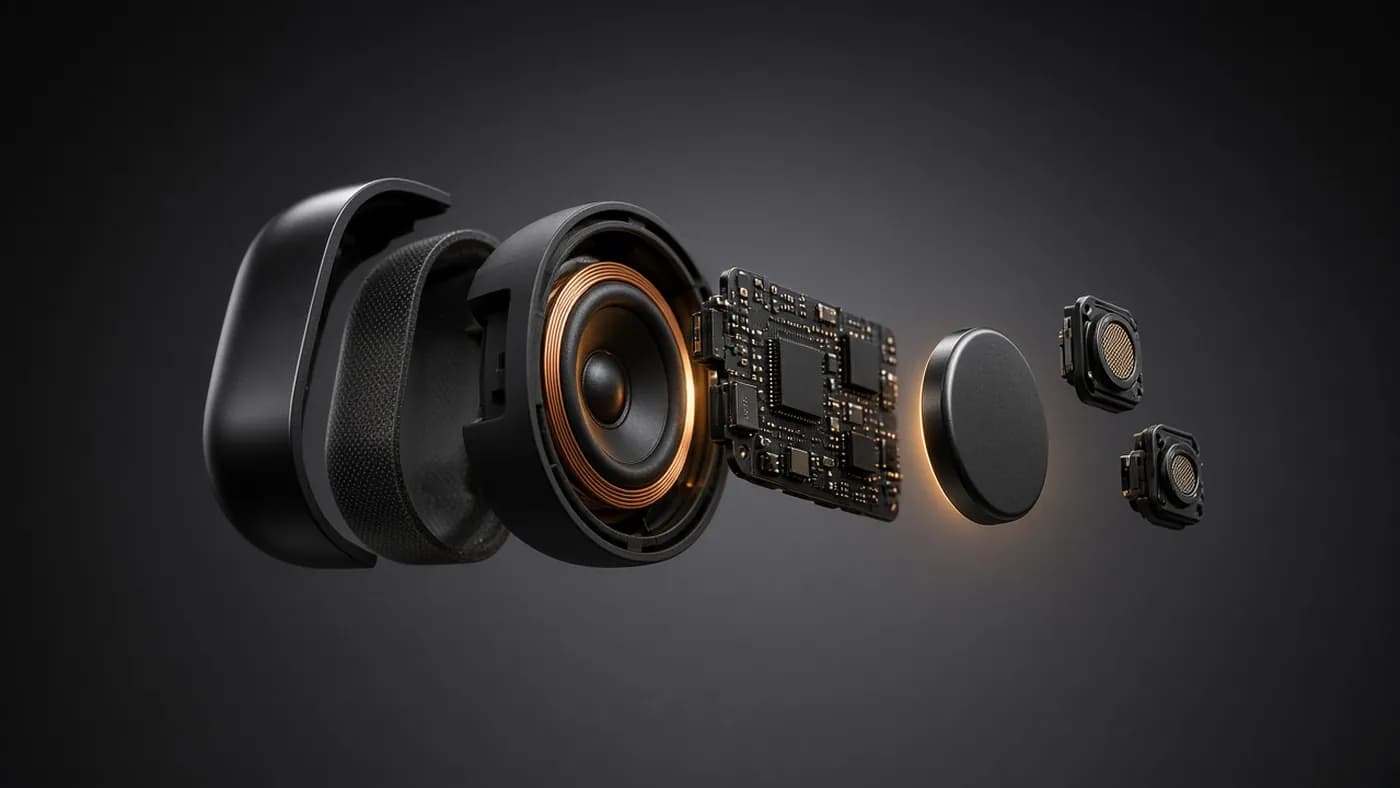
Sony says the XM6 cancel noise 25% more effectively than the XM5. The hardware backs that up: eight microphones in total (four per bud, up from six overall on the XM5) feed a new QN3e noise-canceling chip borrowed from the WH-1000XM6 headphones.
SoundGuys measured an 88% average reduction in loudness across all frequencies. That edges the XM5 at 87% and trails only the AirPods Pro 3 at 90%, the highest SoundGuys has recorded. It measured more than 40dB of attenuation around 100Hz, which covers air conditioning and engine drone, with a softer spot in the midrange where voices can creep through.
Real-world impressions vary with fit. The Verge called the XM6 the best noise-canceling earbuds it has heard when sealed with the foam tips, and GSMArena rated them the best it has tested. TechRadar, which struggled with fit, felt both Apple and Bose still create a deeper bubble of silence.
Key takeaway: in lab terms, the XM6 sit within a couple of percentage points of the best noise canceling available. Whether you notice that gap depends far more on your ear tips than on the processor.
One limitation remains: noise canceling is simply on or off. Ambient sound, by contrast, gets a 20-step slider, an automatic mode, and a voice passthrough option that lets speech in while suppressing background noise.
Call quality
Calls were a weak point on the XM5, and Sony put real work into fixing them. The XM6 use AI beamforming, an improved bone conduction sensor, and noise rejection that Sony says was trained on 500 million voice samples.
SoundGuys found the microphones excellent indoors and impressive in wind at the beach, with only loud buses and trucks occasionally breaking through on a busy street. TechRadar's callers described its voice as muffled, a result it tied partly to the fit problems it had. Most evidence points to a clear upgrade over the XM5.
Battery and charging
Sony rates the XM6 at 8 hours with noise canceling on and 24 hours including the case. Those figures are identical to the XM5 and XM4, so there is no progress on paper.
Independent tests were kinder. SoundGuys recorded 9 hours 41 minutes with ANC on in its standardized test, while GSMArena measured 8 hours 15 minutes over AAC. TechRadar got about 7 hours at higher-than-average volume.
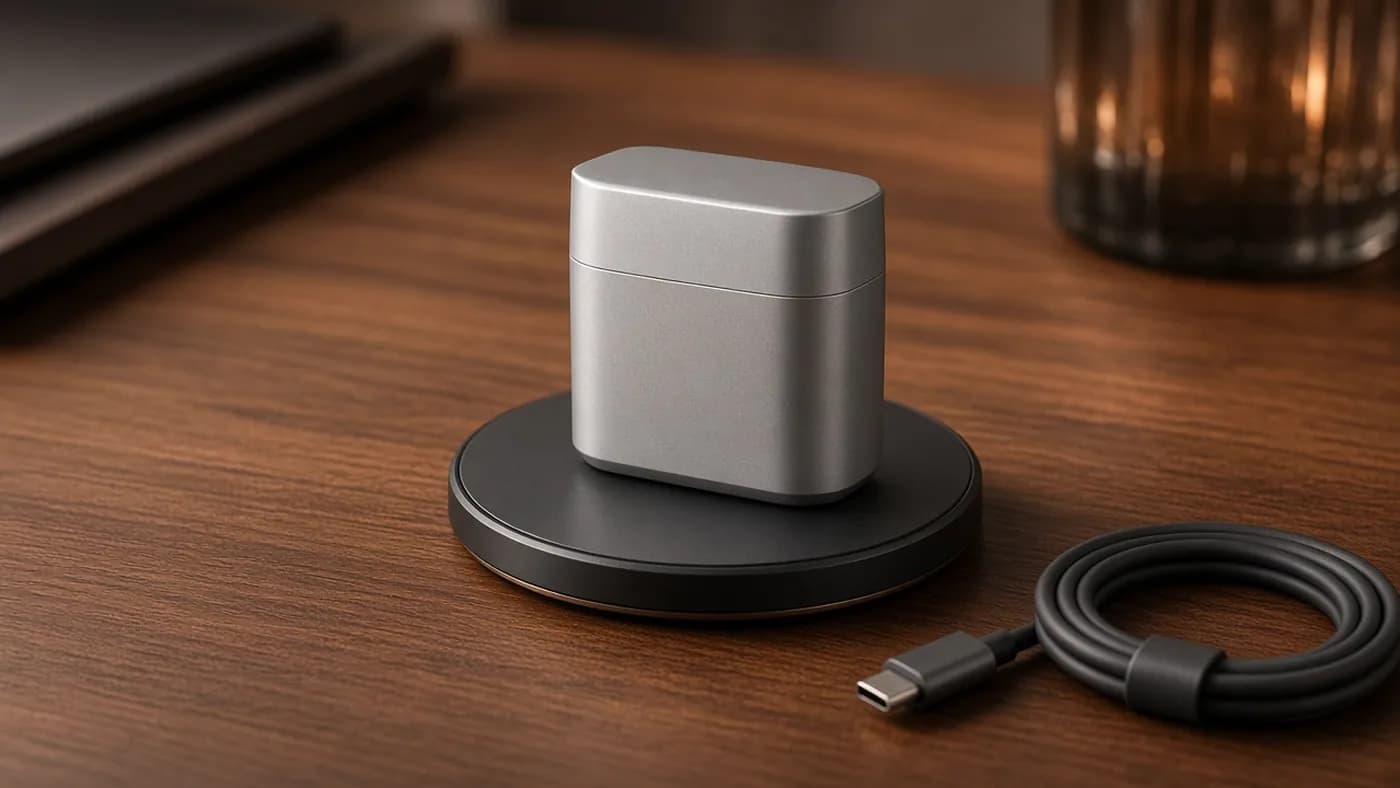
Sony claims a three-minute quick charge gives up to 60 minutes of playback, but SoundGuys measured closer to 45 minutes with ANC on. GSMArena clocked a full 0-100% charge of buds and case at 80 minutes over USB-C, with Qi wireless charging taking about twice as long. A battery care option caps charging at 80% to extend battery lifespan.
Features and the Sound Connect app
Sony's feature list is long. Highlights include Quick Attention (hold the left bud to duck music and let sound in), Speak-to-Chat, Adaptive Sound Control, and a Background Music effect that pushes audio into the distance, which TechRadar found surprisingly useful for focus.
You also get two-device multipoint, Google Fast Pair and Microsoft Swift Pair, optional head gestures for answering calls, Auracast support, and a connection setting that prioritizes sound quality, stability, or low latency. SoundGuys reports that head-tracked spatial audio arrived on Android in a post-launch update.
The app itself is the weak link. TechRadar found key settings buried several menus deep, and there is no hearing test, which rivals from Apple offer at a lower price.
What to change first in Sound Connect
- Run the Optimal Earbud Tips test and try every tip size before judging the sound or noise canceling.
- Set the Bluetooth priority to sound quality if you are on Android and want LDAC.
- Enable DSEE Extreme if you mostly stream compressed music.
- Remap touch controls, keeping in mind that reassigning the left long-press removes Quick Attention.
- Try the Find Your EQ tool, then fine-tune with the 10-band equalizer.
How it compares
The XM6's toughest rivals all cost less. Here is how they line up on the specs that matter most.
| Sony WF-1000XM6 | Apple AirPods Pro 3 | Bose QC Ultra Earbuds (2nd Gen) | Technics EAH-AZ100 | |
|---|---|---|---|---|
| US price | $329.99 | $249 | $299 | $299 |
| Weight per bud | 6.5g | 5.6g | 7.7g | 5.9g |
| Hi-res codec | LDAC | None (AAC) | aptX Adaptive | LDAC |
| Water resistance | IPX4 | IP57 | IPX4 | IPX4 |
| Standout extra | Background Music, Quick Attention | Hearing test, heart-rate sensing | Stability bands, immersive audio | Three-device multipoint |
The AirPods Pro 3 remain the default for iPhone owners, with slightly stronger measured ANC and health features, but they offer little beyond basic playback on Android. The Bose QC Ultra Earbuds (2nd Gen) are the comfort pick for larger ears, though SoundGuys measured just over 5.5 hours of battery life.
The Technics EAH-AZ100 are the closest all-rounder. SoundGuys measured 10 hours 40 minutes of battery and 83% average noise reduction, and they add three-device multipoint, but TechRadar and SoundGuys disagree on whether their stock tuning beats Sony's.
Who should buy it
The XM6 make the most sense for Android users who care about sound quality and want LDAC, frequent travelers who want near-top noise canceling, and anyone who takes a lot of calls on the go. SoundGuys calls them an easy recommendation for owners of the WF-1000XM4 or older.
XM5 owners should be more patient. SoundGuys' advice is to wait for a sale, since battery life and codecs are unchanged. iPhone users who do not need LDAC will likely get more from the AirPods Pro 3 for $80 less.
FAQ
When did the Sony WF-1000XM6 come out, and how much do they cost?
Sony announced and released the WF-1000XM6 on February 12, 2026. They cost $329.99 in the US and come in Black or Platinum Silver.
Are the WF-1000XM6 worth upgrading to from the WF-1000XM5?
Only if call quality, noise canceling, or fit on the XM5 bothered you. The XM6 improve all three, but rated battery life and codec support are the same, so many XM5 owners can wait for a discount.
Do the Sony WF-1000XM6 work well with iPhone?
Yes, with limits. You get AAC rather than LDAC, and head-tracked spatial audio is an Android feature, but the Sound Connect app and noise canceling work on iOS. SoundGuys notes that holding the right earbud summons Siri by default.
Are the WF-1000XM6 good for workouts?
They are rated IPX4 against sweat and light rain. They lack ear wings, though, and SoundGuys notes they may feel less locked in during high-intensity exercise than sport-focused earbuds.
Final Verdict
The Sony WF-1000XM6 are the most complete earbuds Sony has made. Sound quality is excellent, noise canceling measures within a hair of the best available, and the microphones finally match the rest of the package.
They are also expensive, their rated battery life has not moved in three generations, and the foam-tip fit decides a great deal. If they seal well in your ears, they are among the best earbuds you can buy in 2026.
Join the conversation